


The Heart of Indochina
Why Vietnam
More than a destination, it’s a classroom! Vietnam offers a unique blend of rich history, vibrant culture, and breathtaking landscapes that create the perfect backdrop for transformative learning.
Our education-focused programs are designed to immerse students in meaningful experiences, from exploring ancient traditions to understanding modern-day innovations.
Vietnam at a Glance: Country Essentials
Everything you need before you start planning — geography, money, plugs and time.
- Where it sits: Vietnam occupies the eastern edge of the Indochinese peninsula. It borders China in the north, Laos and Cambodia along its western frontier, and faces the East Sea (South China Sea) to the east.
- Land area: 331,041 km² — a long, narrow country stretching roughly 1,650 km from north to south.
- Population: Around 102 million (2026 estimate).
- Capital city: Hanoi. The largest city is Ho Chi Minh City.
- Time zone: UTC+7 year-round. Clocks are never adjusted for daylight saving, so the offset from your home country shifts twice a year, not Vietnam’s.
- Faiths practised: Mahayana Buddhism, Catholicism, Caodaism, Hoa Hao Buddhism, Protestantism and Islam, alongside widespread ancestor veneration and folk belief.
- Official language: Vietnamese. English is commonly spoken in hotels and tourist-facing businesses in major cities; French is still understood by some older residents.
- Money: Vietnamese Dong (VND). Roughly VND 26,000 to the US dollar — treat this as indicative only, as rates move.
- Power supply: 220V, 50Hz. Sockets typically accept type A (flat pins), C and F (round pins). Travellers from the UK, Ireland and Australia will need an adapter; most US and European two-pin plugs fit without one.
Information current as of 2026
Entry Requirements: Visas & Pre-Arrival Formalities
Who can enter without a visa, who needs an e-visa, and the digital forms now required on arrival.
Visa-Free Entry
Vietnam waives visa requirements for passport holders of a number of countries, valid at every official international checkpoint — air, land and sea. Permitted length of stay depends on nationality:
- Up to 90 days: Chile
- Up to 45 days: United Kingdom, France, Germany, Italy, Spain, Denmark, Sweden, Norway, Finland, Russia, Belarus, Japan, South Korea, Panama
- Up to 45 days (agreement runs to 14 August 2028): Belgium, Netherlands, Luxembourg, Switzerland, Poland, Czech Republic, Slovakia, Slovenia, Hungary, Croatia, Bulgaria, Romania
- Up to 30 days: Thailand, Singapore, Malaysia, Laos, Cambodia, Kyrgyzstan
- Up to 21 days: Philippines
- Up to 14 days: Myanmar, Brunei, Indonesia
Conditions That Apply to All Visa-Free Entries
- Passports must remain valid for a minimum of six months counted from the arrival date.
- Immigration may ask to see a confirmed onward or return ticket.
- The permitted period runs from the date the entry stamp is issued, not from the date of booking.
- British National (Overseas) passports do not qualify for the UK exemption; BNO holders must obtain an e-visa.
- Holders of a valid APEC Business Travel Card may stay up to 60 days without a visa.
Electronic Visa (E-Visa)
The e-visa is open to citizens of every country and territory. It suits three groups of travellers: those whose nationality is not exempt; exempt travellers who need multiple entries; and exempt travellers who want to stay longer than their waiver allows.
- Validity: up to 90 days, single or multiple entry
- Cost: USD 25 single entry / USD 50 multiple entry
- Processing: allow three to five working days
- Accepted at: Vietnam’s international airports plus designated land and sea border gates — confirm your intended crossing is on the approved list before applying, as the entry point is fixed at application
Apply only through the official government portal: https://evisa.gov.vn/
Beware of copycat sites. A large number of unofficial websites charge inflated fees for the same application, and some collect passport data without submitting anything at all. Please share the official link above with your travellers.
Digital Arrival Forms
Pre-arrival QR declaration. Travellers landing at Tan Son Nhat International Airport in Ho Chi Minh City must complete an online pre-arrival form in advance and present the resulting QR code at immigration: https://prearrival.immigration.gov.vn/
Health declaration. A national health declaration requirement took effect on 1 July 2026. Requirements are still being rolled out, so check the current position shortly before departure.
Entry rules change frequently and can differ by nationality and point of entry. Always verify before travel. Information current as of 2026
When to Travel: Climate & Seasons by Region
Vietnam is long enough to hold three separate climates at once, so there is no single best month — only the best region for the month you are travelling.
Northern Vietnam
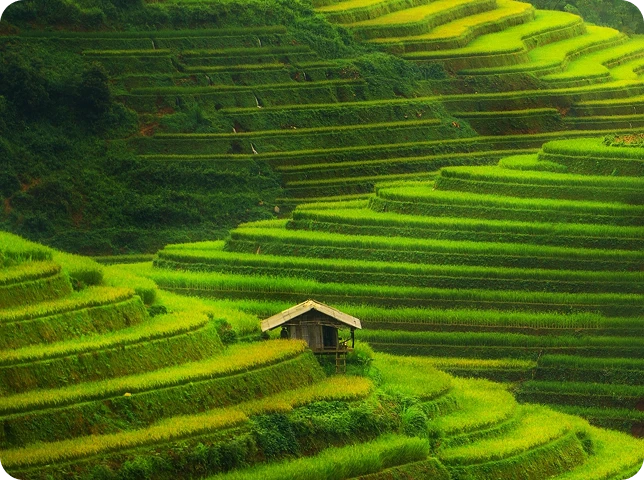
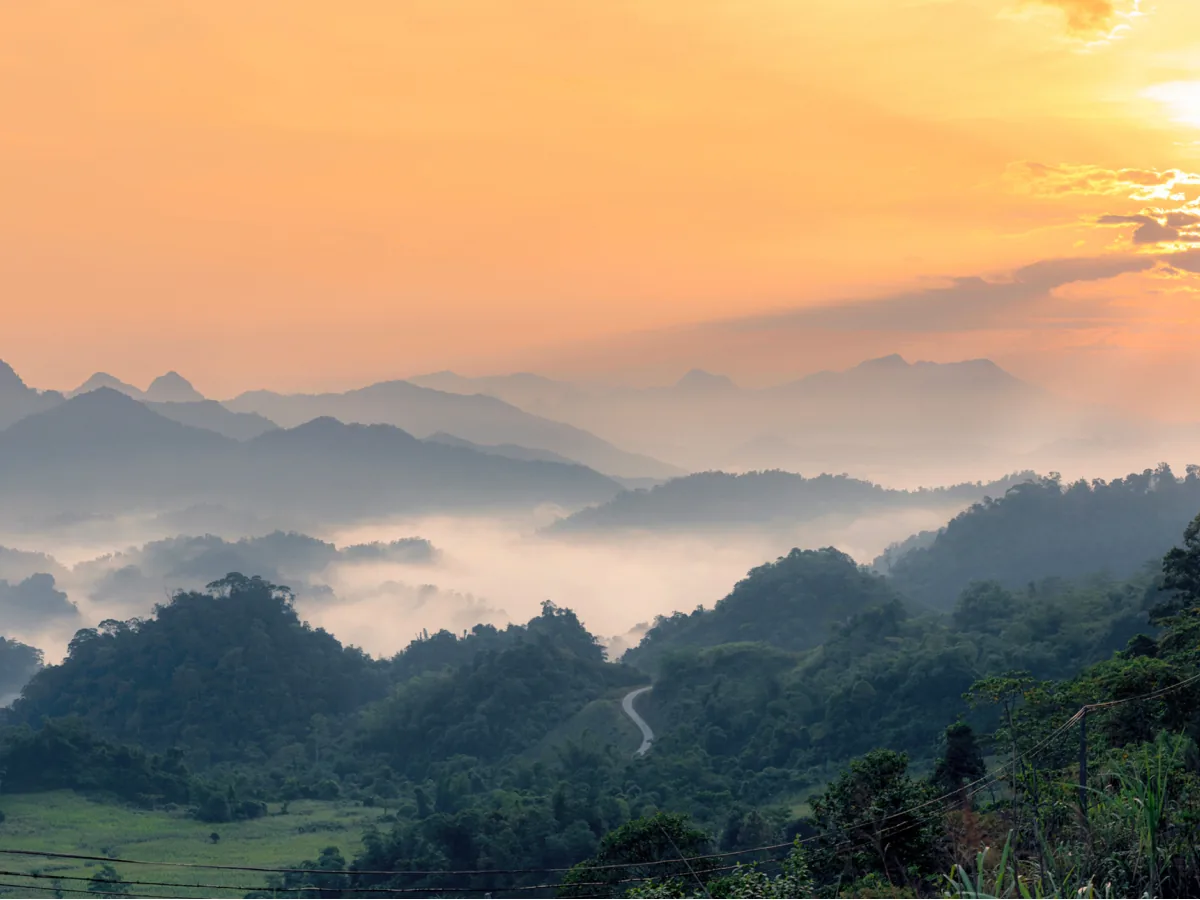
The north is the only part of the country with four recognisable seasons. Summer, from May to September, is hot and humid with heavy downpours that clear quickly. Winter runs December to February and brings cool, dry air — genuinely cold at altitude in Sapa and Ha Giang, where mist can obscure the mountain views. The transitional months either side are the sweet spot: March to May and September to November deliver mild temperatures, clear skies and the golden rice terraces of the autumn harvest.
Best window: March–May and September–November
Central Vietnam
The centre follows a tropical monsoon pattern that runs almost opposite to the north. The dry season, January through August, is hot and reliably sunny — the peak period for Danang, Hoi An, Nha Trang and the central beaches. Rains arrive around September and continue to December, sometimes accompanied by typhoons, with the heaviest flooding usually in October and November. Conditions vary noticeably between the northern and southern ends of the region, so check the specific destination rather than the region as a whole.
Best window: February–August
Southern Vietnam
The south stays warm year-round and swings between just two seasons. From December to April the weather is dry and sunny, ideal for Ho Chi Minh City, the Mekong Delta, Con Dao and Phu Quoc. The wet season lasts May to October, with the heaviest rain between June and August — but rainfall typically comes as a short, intense afternoon burst rather than all-day drizzle, and mornings are usually clear. High water levels also bring the Mekong’s floating markets and canal networks to life, making this a rewarding time to cruise the delta despite the showers.
Best window: December–April (year-round with planning)
Weather patterns are indicative. Information current as of 2026

Curious About Educational Travel In Vietnam?
Learn Before You Go
What makes Vietnam such an epic destination for Education Travel?
Where do we even start? Vietnam is a country where the past and the future collide, often on the same street corner. A centuries-old temple sits in the shadow of a tech campus. A family noodle stall takes payment by QR code. For students, that contrast is the lesson.
It also happens to be one of Southeast Asia’s most practical destinations to run a program in — welcoming, navigable, and genuinely safe.
What students actually connect with:
- History & Global Studies: A story of colonisation, conflict, reunification and rapid opening — told on the ground, by people who lived it, rather than through a textbook chapter.
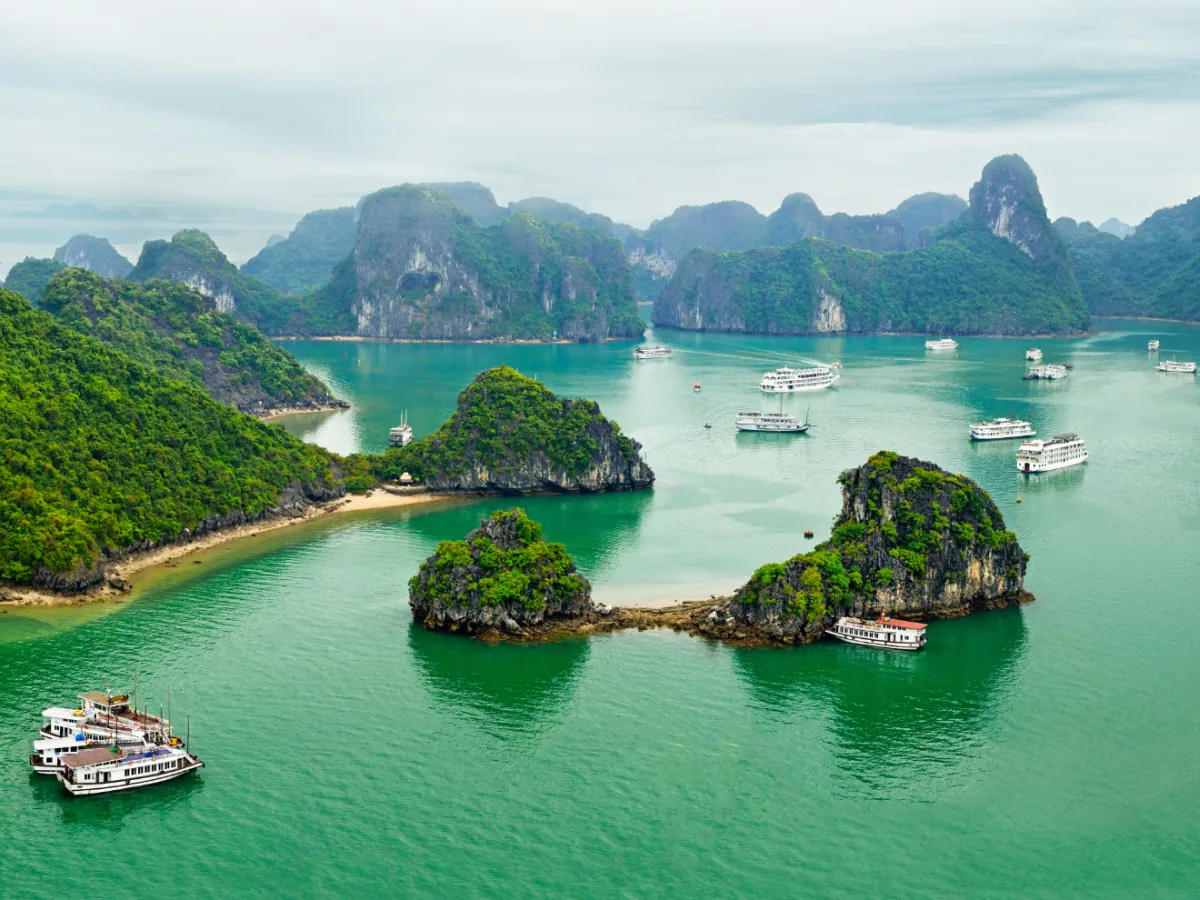
- Geography & Environmental Science: Limestone karsts in Ha Long Bay, terraced highlands in the north, and the Mekong Delta — a living case study in climate pressure, salinity and adaptation.
- Economics & Development: One of Asia’s fastest-growing economies, visible in real time from factory floor to street market.
- Art, Craft & Culture: Lacquerware, silk weaving, water puppetry and ceramics, learned from artisans rather than observed behind glass.
- Food, obviously: A cuisine that carries the country’s regional and colonial history in every dish. Students who claim they don’t like vegetables come home converted.
Add reliable domestic flights, English widely spoken in the places you’ll need it, and a culture that is famously patient with visitors, and you have a destination that works as hard for your learning outcomes as it does for your students’ memories.
Why Vietnam for MBA & EMBA programs?
Because Vietnam is not a case study that has already been written — it is one unfolding right now. Cohorts arrive expecting a low-cost manufacturing story and leave having watched an economy transition in real time.
What makes the market worth studying
- Sustained high growth: Vietnam has been among Asia’s fastest-growing economies for several years running, and has now crossed into upper-middle-income territory. Growth at this pace creates visible strain and visible opportunity — both instructive.
- A live supply chain realignment: As global manufacturers diversify their production base, Vietnam has become a primary beneficiary. Students see sourcing, logistics and geopolitical risk converge on a single factory floor.
- Moving up the value chain: The shift from low-cost assembly towards electronics, semiconductors and R&D is the central strategic question facing the country — and a textbook middle-income-trap problem being solved in public.
- A young, digital-first consumer market: Near-universal smartphone use, rapid e-commerce and fintech adoption, and a population that skipped several stages of Western retail development entirely.
- An accelerating startup ecosystem: Ho Chi Minh City and Hanoi host a fast-maturing venture scene, now backed by new state-supported funding vehicles and a financial centre initiative in HCMC.
- Deep trade integration: A broad network of free trade agreements gives Vietnam preferential access to a large share of global GDP — a practical lesson in how trade policy shapes corporate strategy.
What we build into an MBA or EMBA itinerary
- Company visits: Multinational manufacturing operations, domestic conglomerates and high-growth startups — deliberately contrasting, so cohorts can compare operating models.
- Executive briefings: Sessions with country managers, founders, chamber of commerce representatives and investment advisors who will speak candidly about what is difficult here.
- Live consulting projects: A real brief from a local company, presented back to that company at the end of the program.
- Market immersion: Structured fieldwork in traditional wet markets and modern retail on the same day — the fastest way to understand a two-speed consumer economy.
- Cultural and negotiation context: How relationships, hierarchy and indirect communication shape business outcomes here. This is the part cohorts consistently rate highest.
Programs are built around your syllabus, not the other way around. Send us your learning objectives and we will map site visits and speakers directly against them.
Is Vietnam suited to healthcare placement programs?
Yes — and for a specific reason. Vietnam is in the middle of a major healthcare transition, which makes it far richer ground for health students than a system that has already settled into its final shape.
A system worth observing
- A clear four-tier public structure: Central, provincial, district and commune-level facilities. Students can trace a single patient pathway across all four and see exactly where referral systems succeed and where they break down.
- An active push towards universal coverage: National policy is driving health insurance towards near-universal enrolment, alongside free annual health checks and a national electronic health records rollout. Health policy students are watching implementation, not history.
- A textbook epidemiological transition: Non-communicable diseases — cardiovascular disease, diabetes, cancer — now account for the large majority of deaths, while infectious disease and nutrition programs remain active. Both burdens, one system, at once.
- Public, private and international side by side: Crowded high-volume public hospitals and modern private international facilities operate in the same city, raising genuine questions about equity, access and two-tier care.
- Integrated traditional medicine: Traditional Vietnamese and Eastern medicine is formally integrated into the public system, including dedicated hospitals. For Western-trained students this is often the most challenging and valuable part of the placement.
- A strong academic network: Established medical universities in Hanoi and Ho Chi Minh City give us teaching-hospital relationships and access to local medical and nursing students — peer exchange that consistently becomes the highlight of the trip.
What a placement looks like in practice
- Hospital and clinic observation: Structured rotations across urban tertiary hospitals and rural commune health stations, supervised throughout.
- Public health fieldwork: Community health outreach, preventive care and screening programs in rural and highland districts.
- Academic sessions: Lectures and workshops with Vietnamese clinicians and faculty on health policy, financing and delivery.
- Peer exchange: Paired time with local medical and nursing students — comparing training pathways, workloads and expectations.
- Guided reflection: Daily debriefs, because students witness resource constraints and clinical decisions that need processing rather than filing away.
Scope and supervision — please read
Our healthcare placements are observational. Students do not perform clinical procedures, deliver hands-on patient care, or act beyond the scope of their training and licensure. This is not a limitation we apologise for — it is the ethical and legal standard for international health placements, it protects patients, and it protects your students and your institution. Every placement is arranged through formal agreements with our partner facilities, with supervision, insurance requirements and scope of practice documented in advance for your review.
Requirements differ by discipline and level of study, so tell us who is travelling and what your accreditation body expects, and we will confirm what is achievable before you commit.
Are there opportunities for community service or service-learning?
Absolutely — and it goes well beyond a token afternoon of painting a wall. Service learning sits at the centre of most of our Vietnam programs, and every project is co-designed with the community it serves.
Projects your group could join:
- Rural infrastructure: Practical building and improvement work in village communities, guided by local tradespeople.
- Early childhood development: Supporting staff at community daycare centres with activities, materials and learning resources.
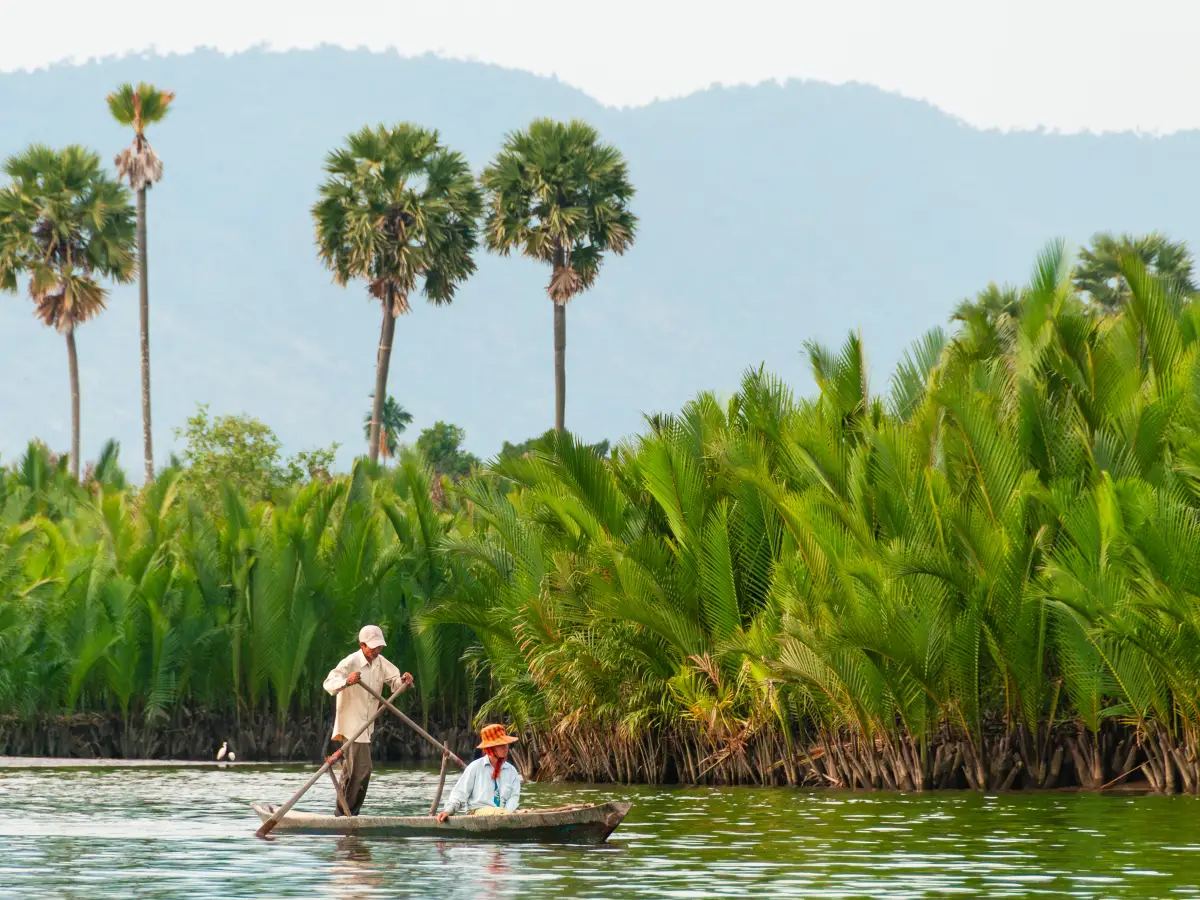
- Environmental restoration: Mangrove reforestation in the Mekong Delta — hands-on climate work with a measurable outcome.
- Education partnerships: Language exchange and shared activities with students at local schools, including inclusive programs for children with disabilities.
How we approach it
Good service learning is defined by what the community asks for, not by what makes the best photograph. We work only with long-term local partners, we don’t place students in residential care settings, and every project is built around a need the community has identified itself. Students are briefed before they arrive and debriefed each evening, so the work is reflected on rather than simply completed.
How long should our trip be?
That depends entirely on your goals, your calendar and your budget — and we build to fit all three. As a starting point:
- 5–7 days: One region, done properly. Ideal for a Week Without Walls or a focused service-learning placement. You trade breadth for depth, which is usually the right trade for younger groups.
- 10–14 days: Our most requested length. Enough time to travel north to south, connect a service project to the cultural and historical context around it, and still leave room to breathe.
- 15 days or more: Best suited to faculty-led, university and multi-country programs where students need sustained time in one place to produce meaningful academic work.
A note on pacing: we use domestic flights between major cities rather than long overland transfers, which buys back whole days of program time. We also deliberately build in slower days. Groups that are rushed stop absorbing anything by day four, and the reflection time is where the learning actually consolidates.
How can we interact respectfully with the local culture?
Vietnamese hospitality towards visitors is genuine and generous. A little preparation goes a long way, and students who make the effort get noticeably more out of every interaction. We cover all of this in the pre-departure briefing, but here are the essentials:
- Learn a little of the language: “Xin chào” (seen chow) for hello and “Cảm ơn” (gahm un) for thank you. Two words, enormous returns.
- Dress for the setting: Shoulders and knees covered at temples and pagodas. Remove shoes before entering, and leave hats and caps outside.
- Ask before photographing: Always, and especially in rural and highland communities. A gesture towards the camera and a smile is usually enough to ask.
- Use both hands: When giving or receiving anything, particularly from someone older. It is a small gesture that registers strongly.
- Stay calm in public: The idea of “saving face” matters. Visible frustration rarely resolves a situation here and often makes it harder; a patient, friendly approach nearly always works better.
- Respect the age hierarchy: Age carries real status. Greeting the oldest person in a room first is a courtesy that is always noticed.
Every group travels with a local guide who handles the cultural translation in the moment — not just what to do, but why it matters. Students learn far more from that running commentary than from any briefing document.
Our Itinerary Templates
Ready-Made Itineraries, Fully Customizable
Join us on an unforgettable journey through Southeast Asia! Learn from experts, explore amazing places, make a difference, and create lasting memories along the way.
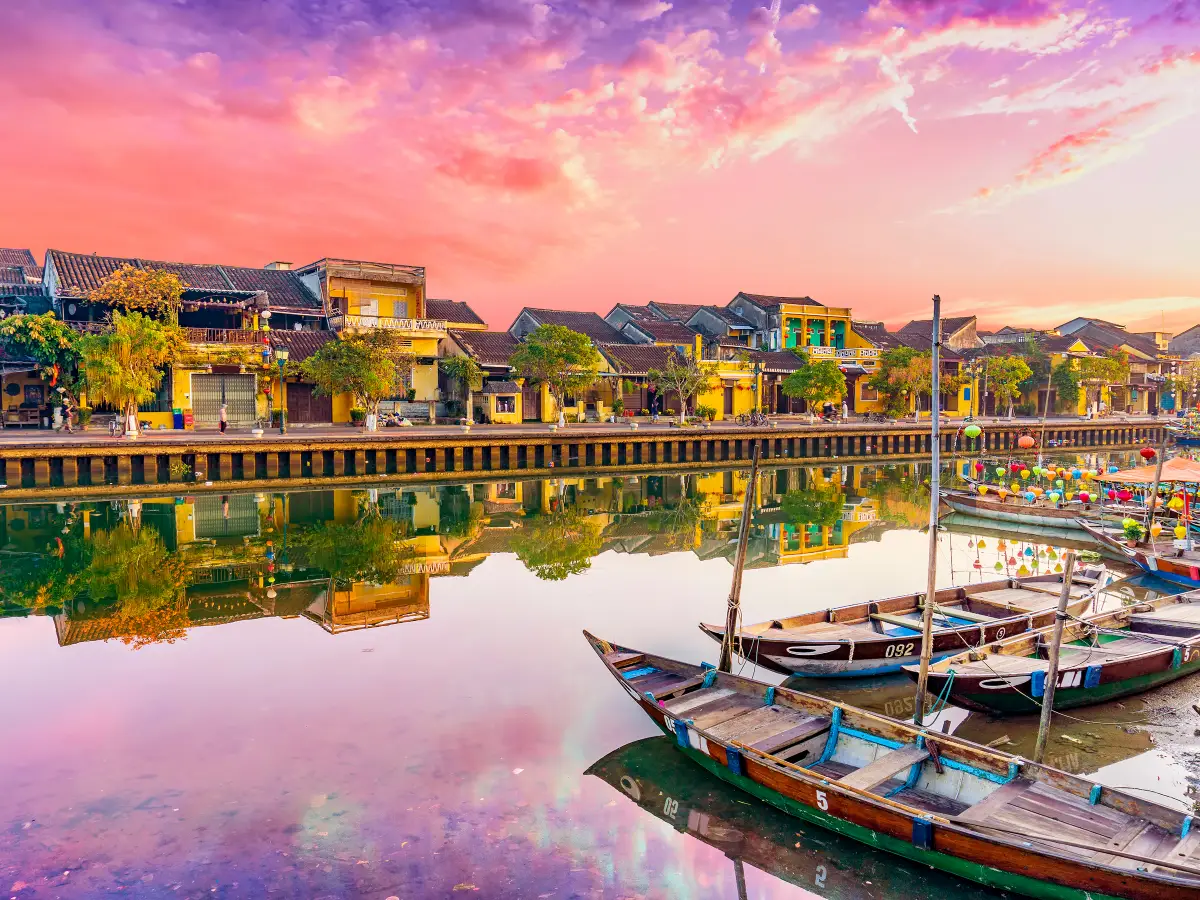
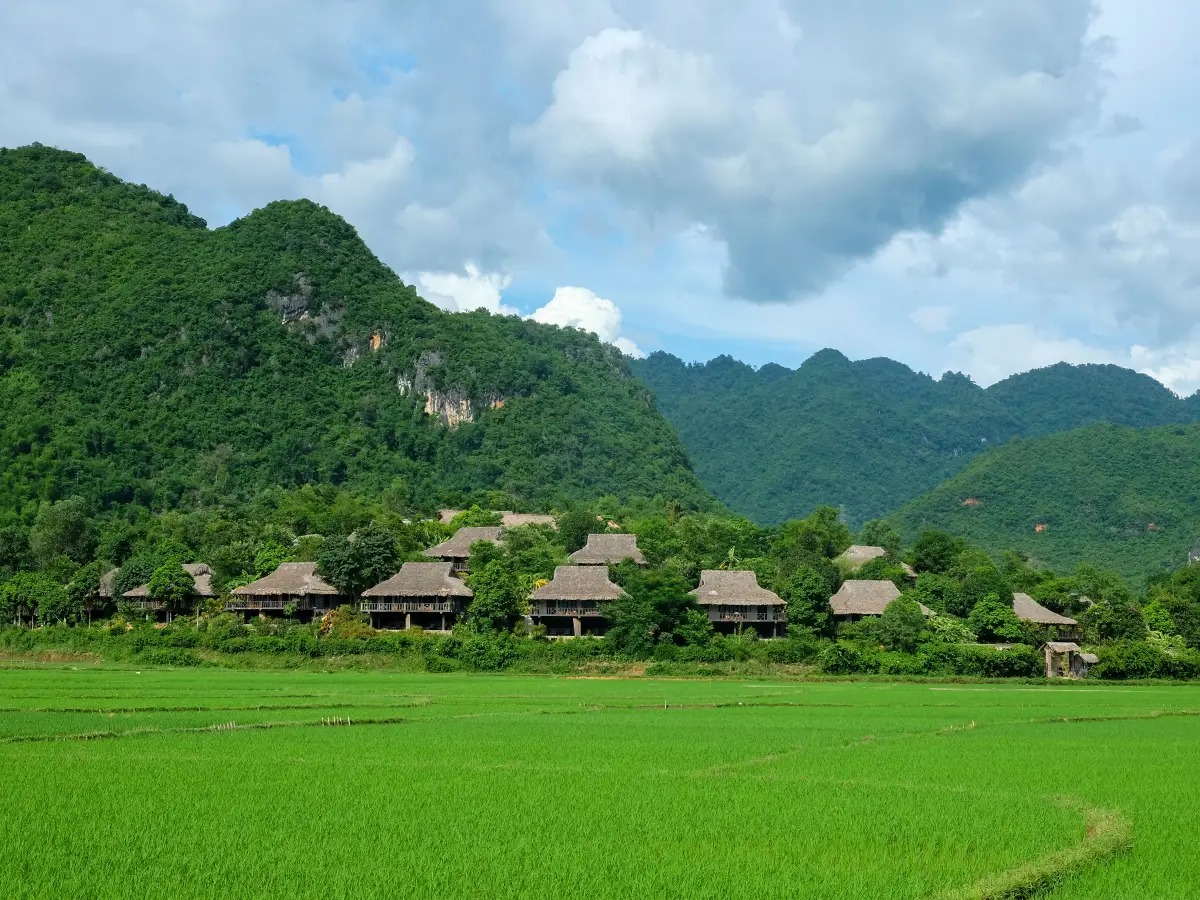
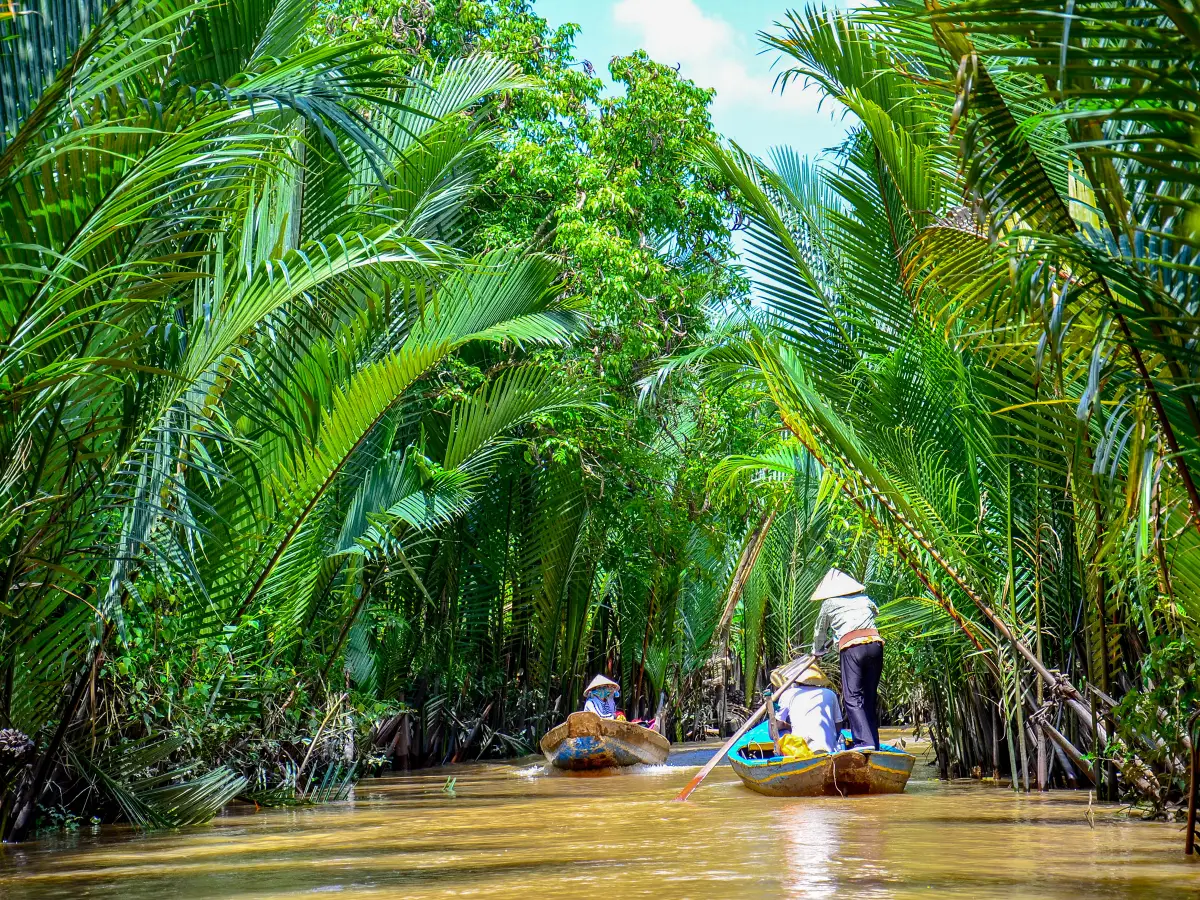
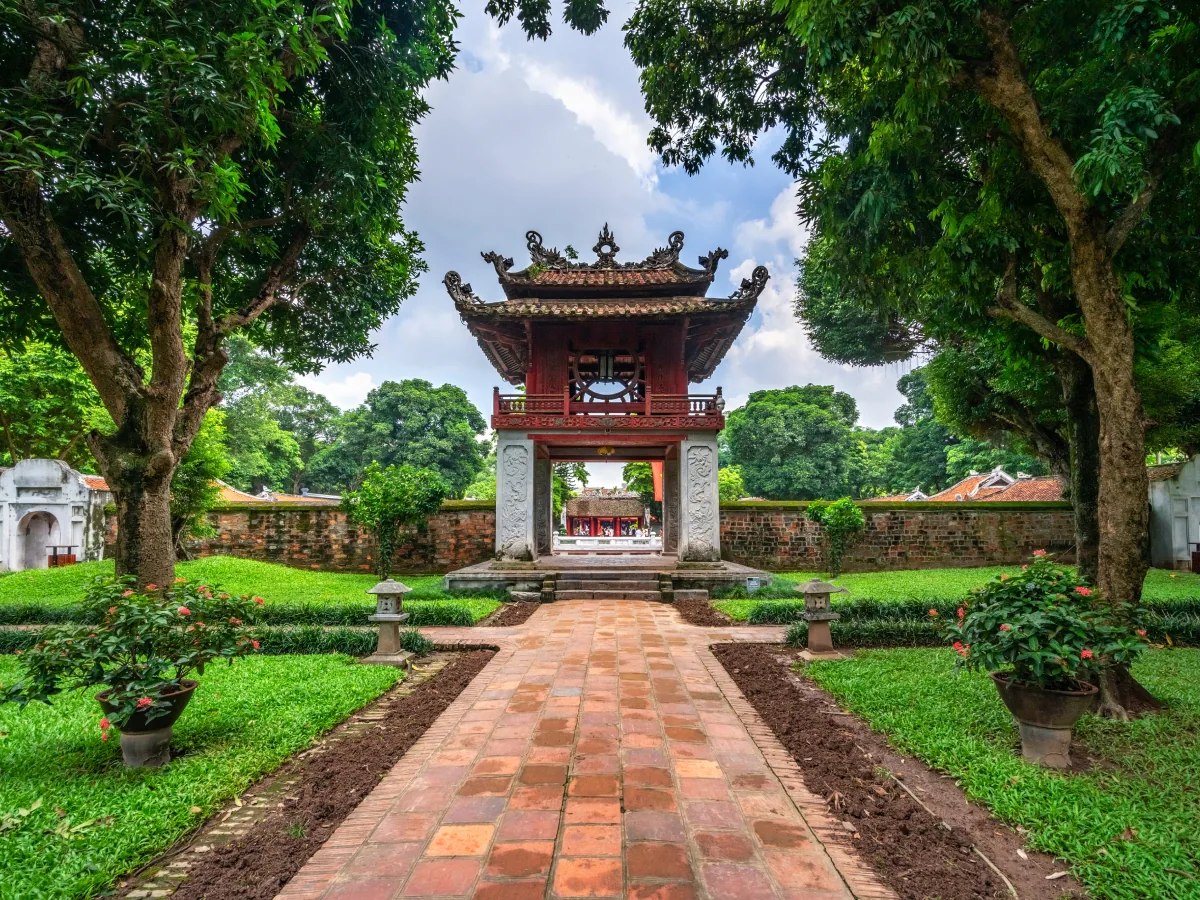
Our Programs
Explore Our Other Programs
Join us on an unforgettable journey through Southeast Asia! Learn from experts, explore amazing places, make a difference, and create lasting memories along the way.
Service – Learning
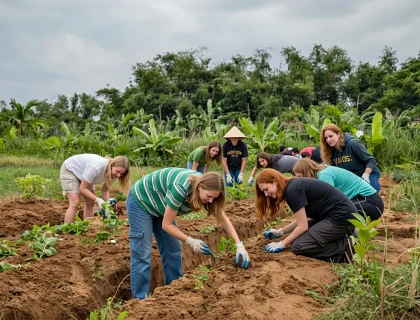
Students join community-led projects in sustainability, conservation and rural infrastructure, then reflect on the impact each evening.

Faculty-led
University programs built around your syllabus, with site visits and expert sessions your faculty can teach from.
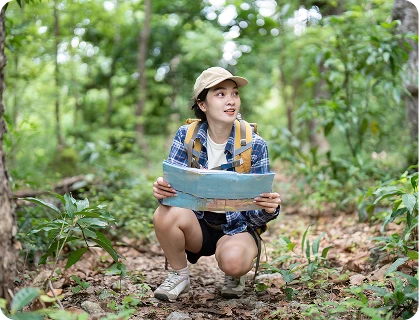
Week Without Walls
Seven action-packed days of conservation, culture and challenge that build teamwork and independence.
MBA Program
Global Business, Real-World Leadership
Company visits, industrial parks and executive briefings inside one of Asia’s fastest-growing economies.
Healthcare Program
Innovating Global Healthcare Solutions
Supervised, observational placements from national hospitals to village clinics, plus daily guided reflection.
Other Programs
Explore Our Other Programs
Join us on an unforgettable journey through Southeast Asia! Learn from experts, explore amazing places, make a difference, and create lasting memories along the way.
Service – Learning
Students join community-led projects in sustainability, conservation and rural infrastructure, then reflect on the impact each evening.
Faculty-Led
University programs built around your syllabus, with site visits and expert sessions your faculty can teach from.
Week Without Walls
Seven action-packed days of conservation, culture and challenge that build teamwork and independence.

MBA Program
Company visits, industrial parks and executive briefings inside one of Asia’s fastest-growing economies.

Healthcare Program
Supervised, observational placements from national hospitals to village clinics, plus daily guided reflection.
Client’s Testimonial
What Teachers and Students Say
Real feedback from schools and universities who have travelled with us.




Why Us
Why Schools and Universities Choose AET
Every program starts with your learning goals and ends with students who have seen, done and understood something new. Here is what sits behind it.

Curriculum First
Itineraries are mapped to your learning outcomes, not adapted from a holiday package.

Fully Customizable
Start from a proven template, then adjust length, pace, projects and budget to fit your group.

Responsible Travel
Long-term community partners, fair local spending, and projects the community asks for.

Expert Local Guides
Guides who know student groups and can explain not just what to see, but why it matters.

Insider Access
Clinics, factories, villages and conservation sites that are hard to reach without local relationships.

Safety & 24/7 Support
Vetted hotels and vehicles, first-aid trained guides, and an operations team on call around the clock.
Curriculum First
Itineraries are mapped to your learning outcomes, not adapted from a holiday package.
Fully Customizable
Start from a proven template, then adjust length, pace, projects and budget to fit your group.
Responsible Travel
Long-term community partners, fair local spending, and projects the community asks for.
Expert Local Guides
Guides who know student groups and can explain not just what to see, but why it matters.
Insider Access
Clinics, factories, villages and conservation sites that are hard to reach without local relationships.
Safety & 24/7 Support
Vetted hotels and vehicles, first-aid trained guides, and an operations team on call around the clock.
Our Destinations
Integrate – Inspire – Innovate
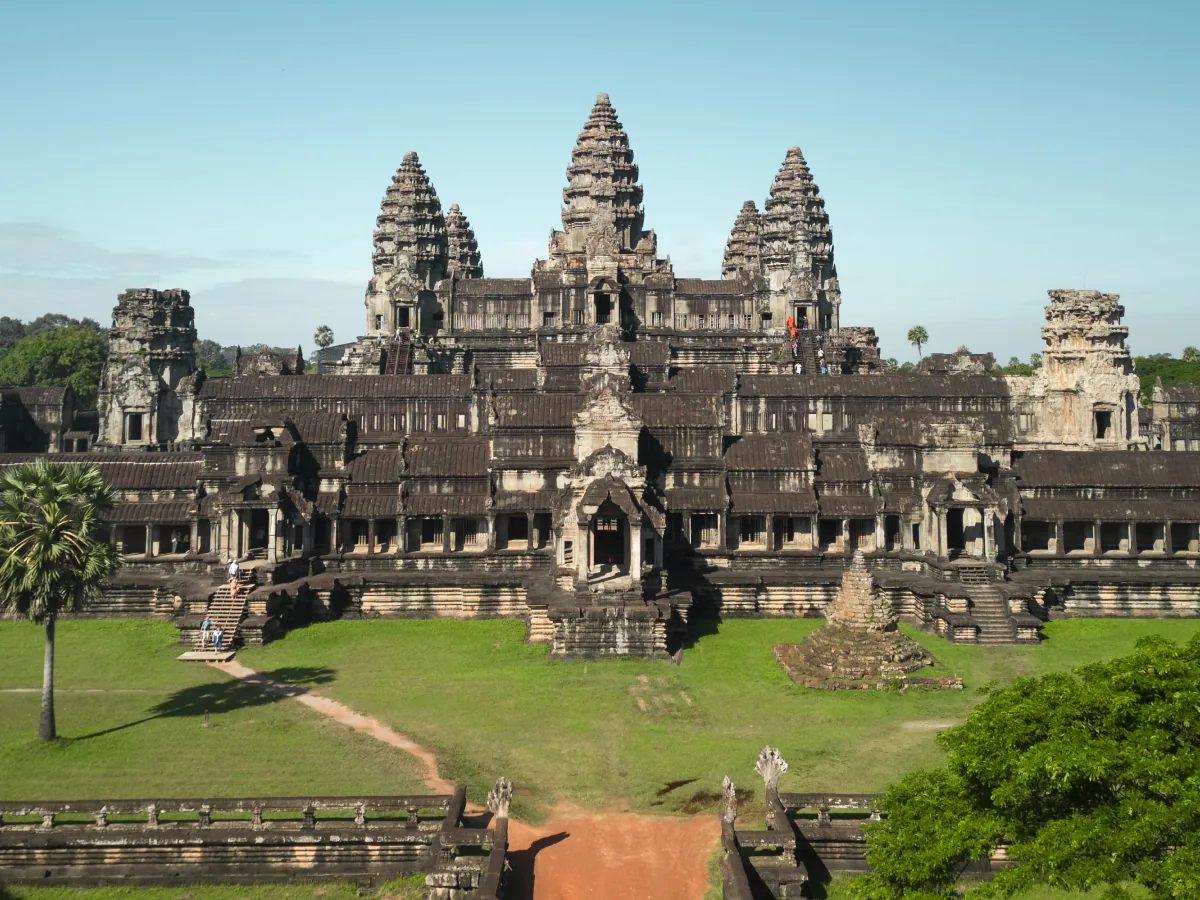
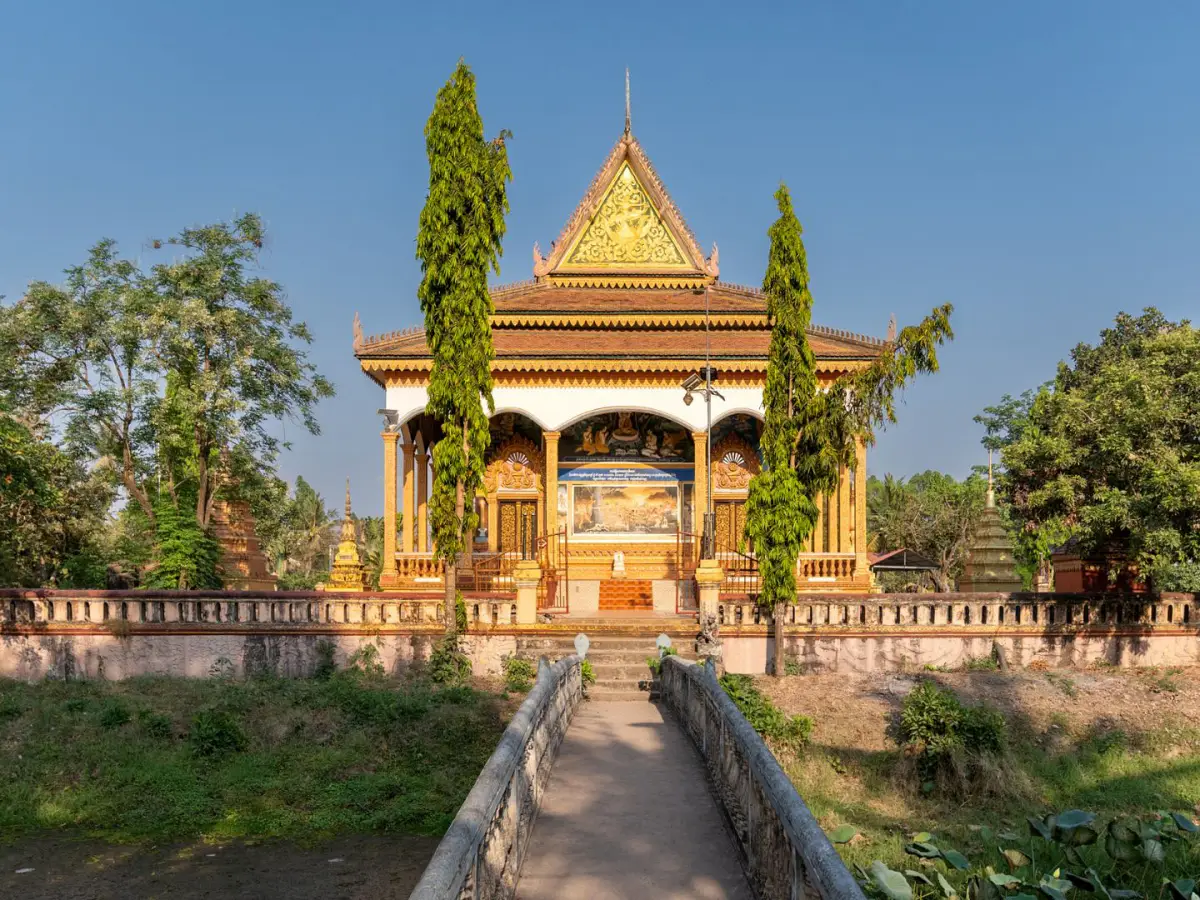
Take your learning beyond the classroom with a journey through Indochina! From Vietnam’s rich history to Cambodia’s majestic temples and Laos’ tranquil beauty, this is your chance to experience Southeast Asia like never before and create memories that will last a lifetime.


Planning Guides for Educators
Explore the AET Blog for expert tips, cultural highlights, and inspiring stories from our adventures across Vietnam, Cambodia, and Laos.
-
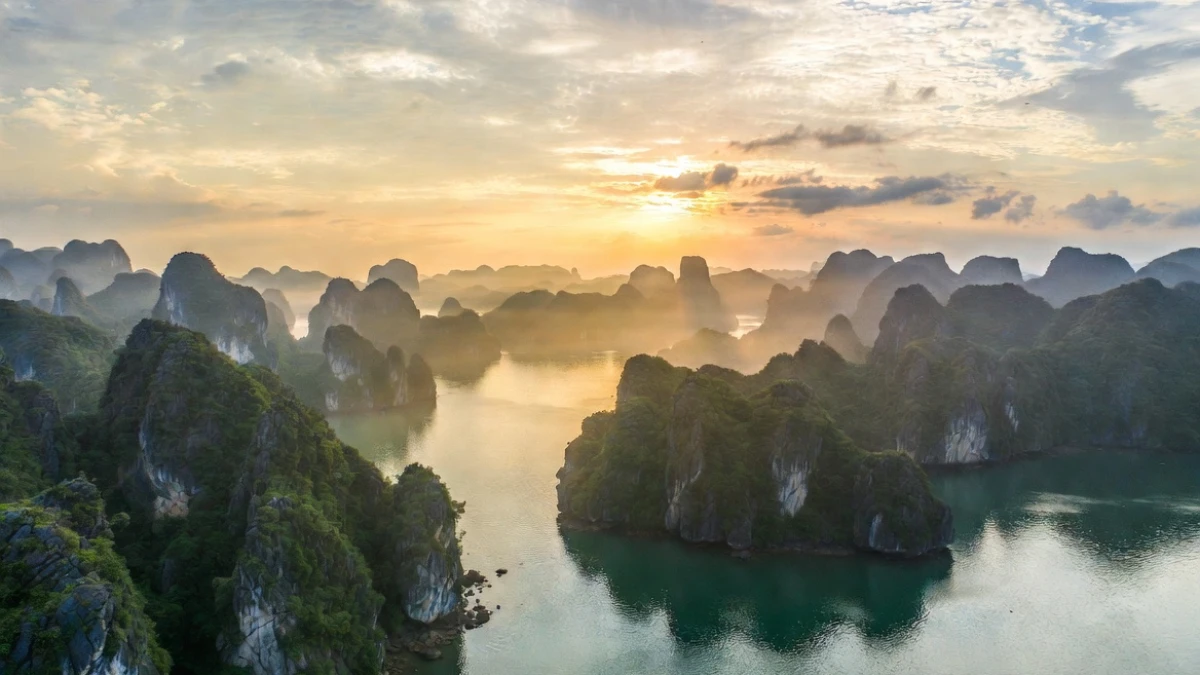
Best Time to Visit Vietnam: A Regional Breakdown & Modern Travel Tips
When is the best time to visit Vietnam? See how the North, Central and South climates differ, which festivals to plan around, and smart tips to time your trip.
0 Comments -
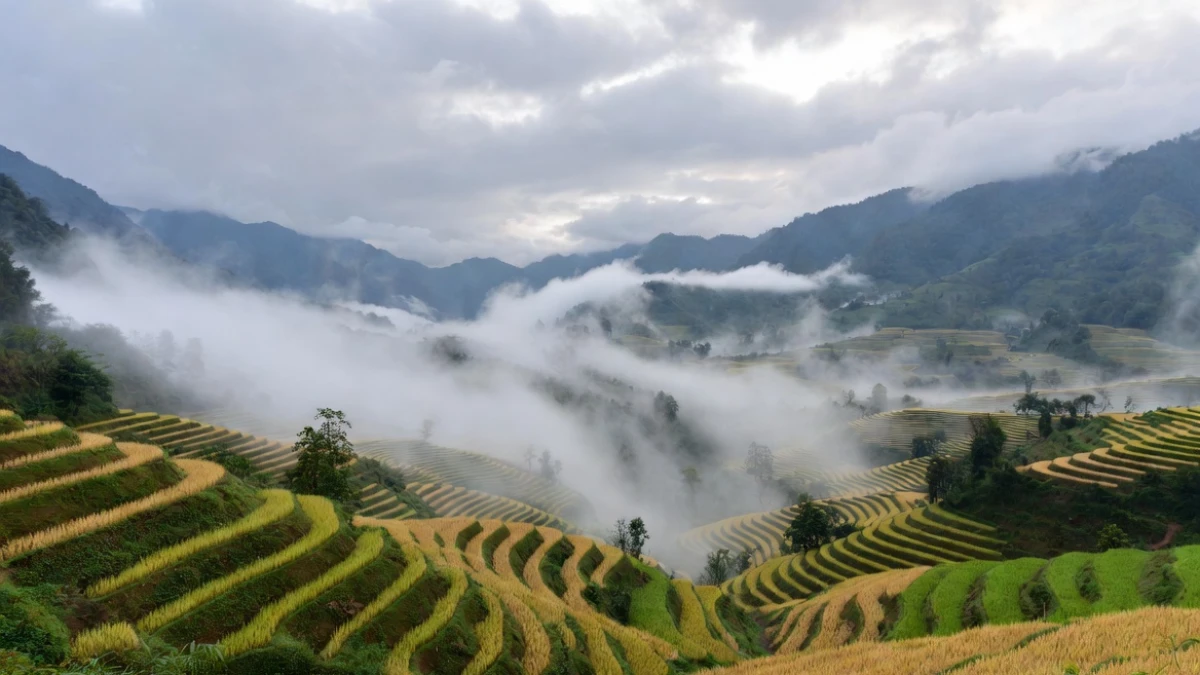
Ultimate Vietnam Educational Travel Checklist for Students In 2026
Planning a student trip to Vietnam? This checklist covers visas, timing, packing, health, etiquette and must-see learning sites for a smooth, inspiring program.
-
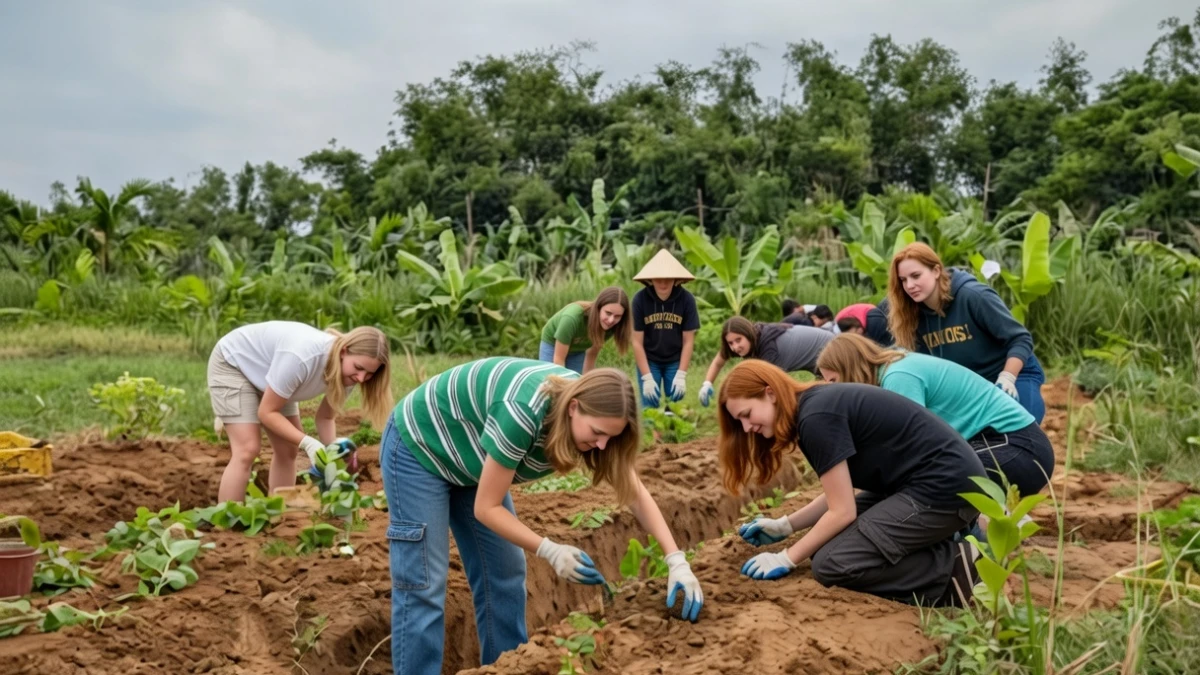
Prioritizing Health and Safety in Vietnam Educational Travel
Keep your group healthy and safe in Vietnam with practical tips on vaccinations, food and water, mosquitoes, traffic and service learning precautions.