Best Time to Visit Vietnam: A Regional Breakdown & Modern Travel Tips
Best Time to Visit Vietnam: A Regional Breakdown & Modern Travel Tips
Vietnam’s long, narrow shape means you can find great weather somewhere in the country all year round. The key is understanding the three distinct climate zones: North, Central, and South. Each region follows its own pattern of sunshine, humidity, and rainfall, so the “best time” depends on where you’re going and what you want to do.
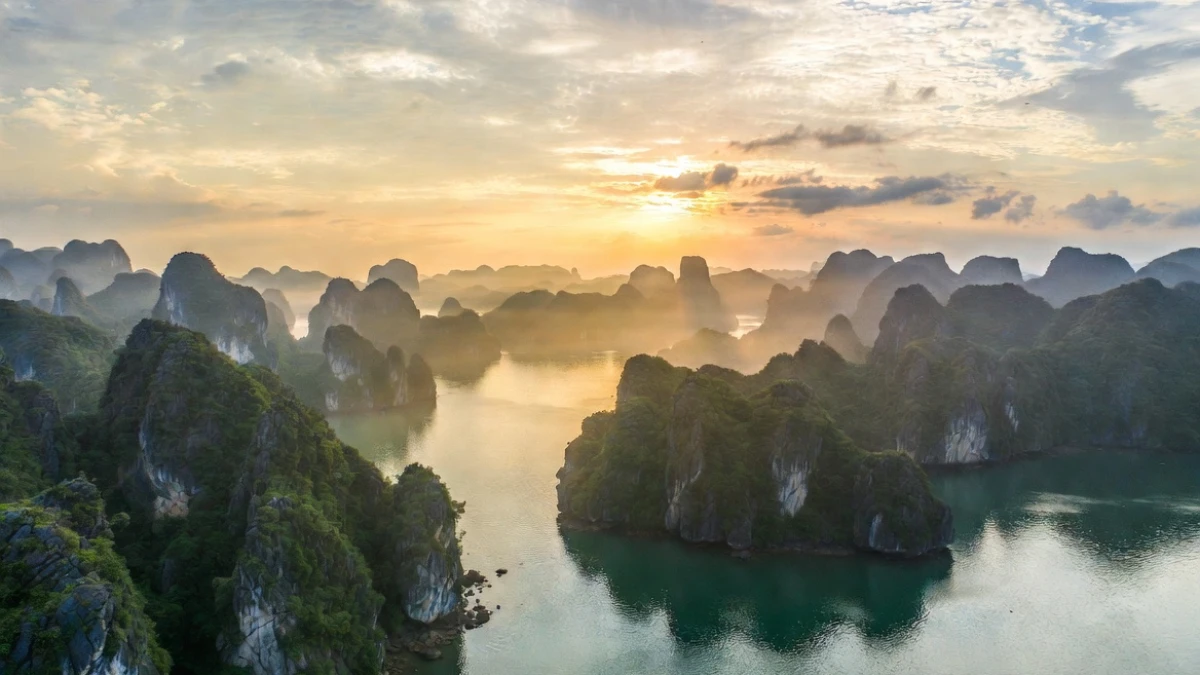
1. Northern Vietnam (Hanoi, Ha Long Bay, Sa Pa)
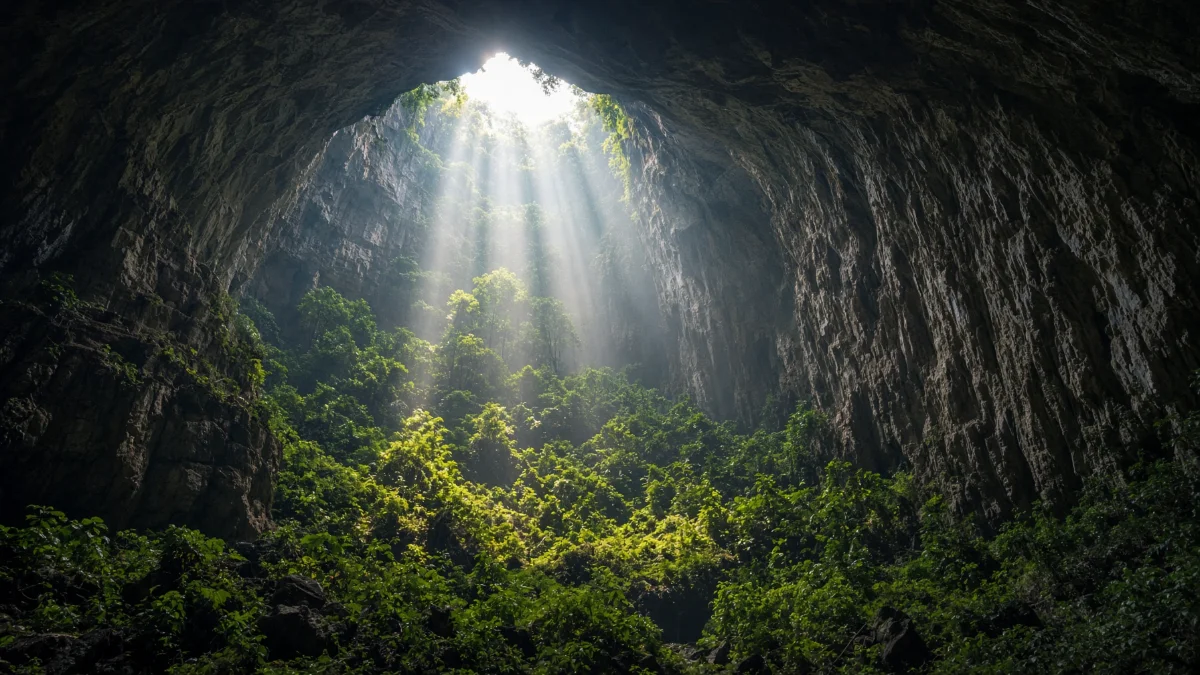
The North experiences four seasons, a rarity in tropical Southeast Asia. Weather can shift noticeably between Hanoi’s streets, Ha Long Bay’s breezes, and Sa Pa’s higher altitudes, making timing especially important for comfortable sightseeing and trekking.
- Best Time to Visit: October to April offers cool, dry weather, perfect for sightseeing in Hanoi, cruising Ha Long Bay, or trekking in Sa Pa. Autumn (September to November) is particularly beautiful, with golden rice fields in the mountains.
- Weather to Note: Winters (December to February) can be surprisingly cold and misty, especially in mountainous areas where temperatures can drop significantly. Summers (May to August) are hot, humid, and rainy, with potential for storms.
2. Central Vietnam (Hue, Da Nang, Hoi An, Nha Trang)
Central Vietnam has a tropical savanna climate with a pronounced wet and dry season. It shines in the dry months with clear skies along the coast, while the wetter stretch can bring dramatic downpours that are worth planning around if you’re moving between towns.
- Best Time to Visit: February to August is the ideal dry season, offering sunny skies and great beach weather in Da Nang and Hoi An. This is perfect for exploring ancient towns and relaxing by the coast.
- Weather to Note: The region is highly susceptible to heavy rain, flooding, and typhoons during the rainy season from September to January. Travelers should monitor forecasts closely during these months.
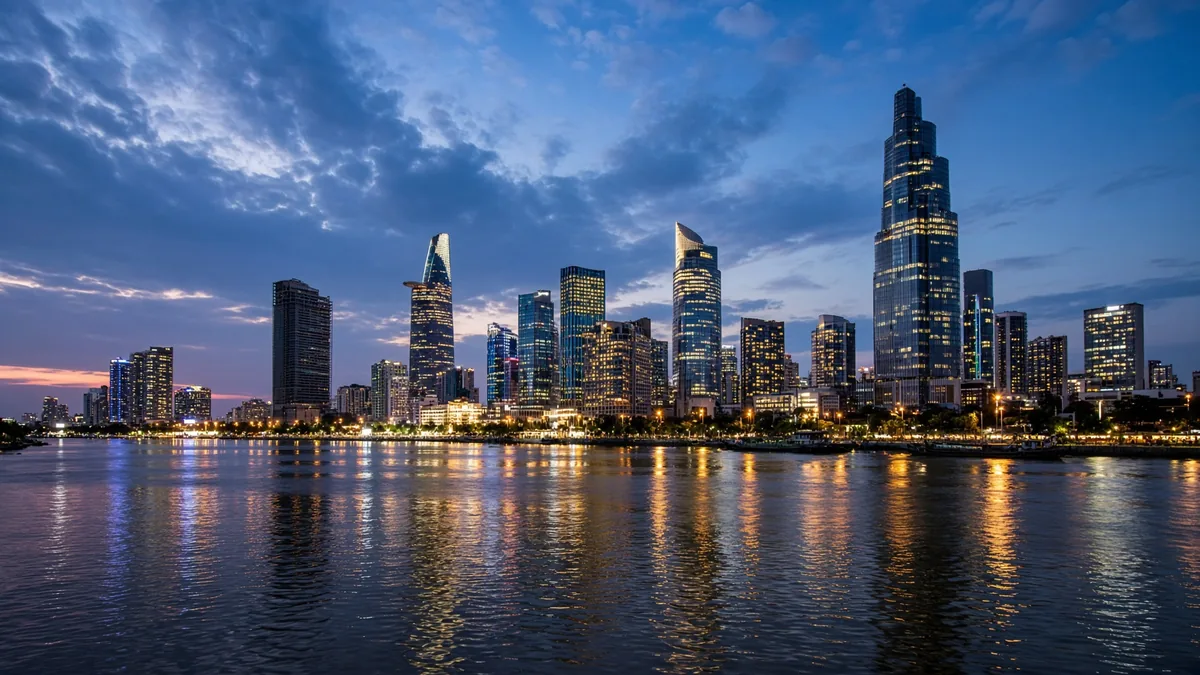
3. Southern Vietnam (Ho Chi Minh City, Mekong Delta, Phu Quoc)
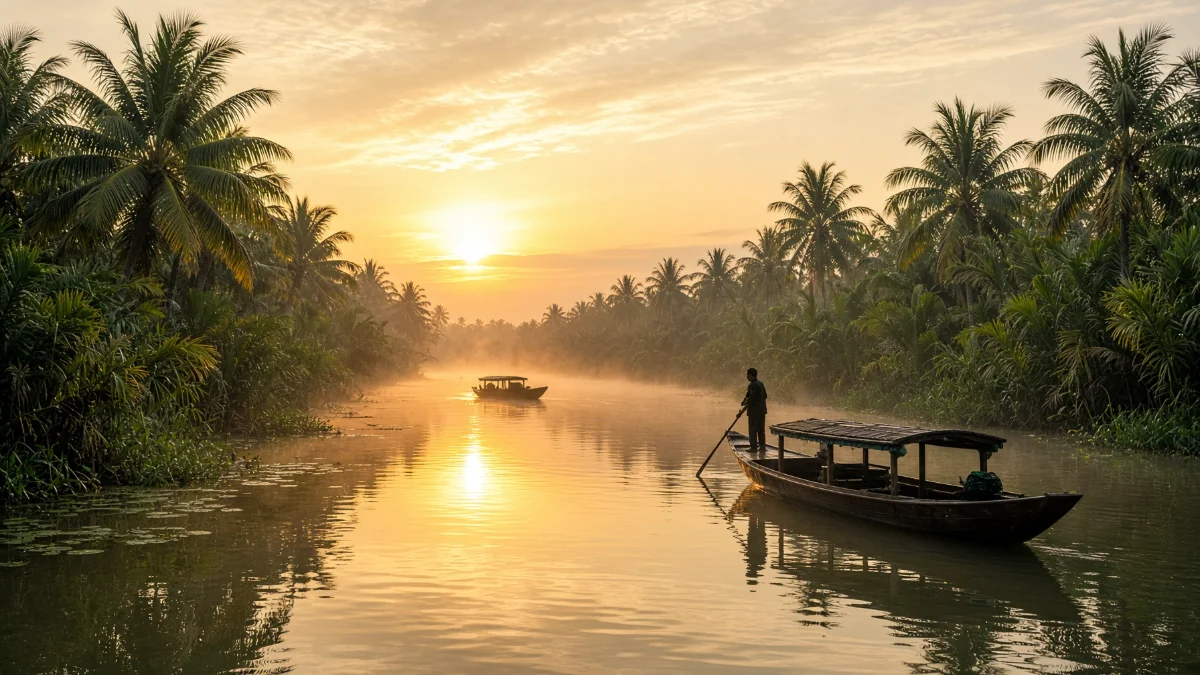
The South has a consistent warm climate year-round with two main seasons. Your trip is less about temperature swings and more about rainfall, with the dry season feeling bright and breezy and the wet season delivering quick showers and vibrant, green landscapes.
- Best Time to Visit: The dry season (December to April) has sunny skies and low humidity, making it the peak time for exploring Ho Chi Minh City, the Mekong Delta, and islands like Phu Quoc.
- Weather to Note: The wet season from May to November brings afternoon downpours, but they are usually short-lived and generally won’t disrupt travel plans extensively; the landscapes are also lush and green during this time.
4. The Impact of Recent Extreme Weather on Travel
Climate change is making Vietnam’s weather increasingly severe and unpredictable. 2025 was a historic year for storm activity, with record numbers of tropical systems in the East Sea. This trend is important for modern travelers to consider.
- Increased Typhoon Risk: The traditional typhoon season (August to November) has become more intense and prone to historic flooding, particularly in Central Vietnam.
- Travel Disruptions: Storms can lead to flight cancellations, ferry suspensions, power outages, and landslides, especially in northern mountainous and central coastal areas. For example, Typhoon Yagi in September 2024 caused significant damage and safety risks in northern provinces.
5. Festivals & Seasonal Events That Can Shape Your Trip
Vietnam’s calendar is packed with celebrations that can completely change the feel of a destination. Festivals add atmosphere, photo-worthy moments, and cultural depth, but they can also mean sold-out trains, higher hotel rates, and holiday hours. If you want Vietnam at its most vibrant, travel during a major event. If you prefer calmer logistics, plan around them.
5.1. Tet (Vietnamese Lunar New Year)
When: Late January to February (timing shifts each year)
Tet is Vietnam’s biggest holiday, and it’s less a “festival week” than a nationwide homecoming. Cities can feel unusually quiet for a few days as locals travel to be with family, while transport hubs and popular tourist zones get busy right before and after the peak holiday period.
- What it’s great for: A once-a-year cultural window, festive decorations, special foods, and a celebratory mood in the weeks leading up to Tet.
- What to expect: Limited services on the main days, packed flights and buses, and higher prices.
- Smart travel tip: Book accommodation and transport well ahead, keep plans flexible, and pre-arrange tours if you want guaranteed availability.
5.2. Mid-Autumn Festival (Tết Trung Thu)
When: September to early October
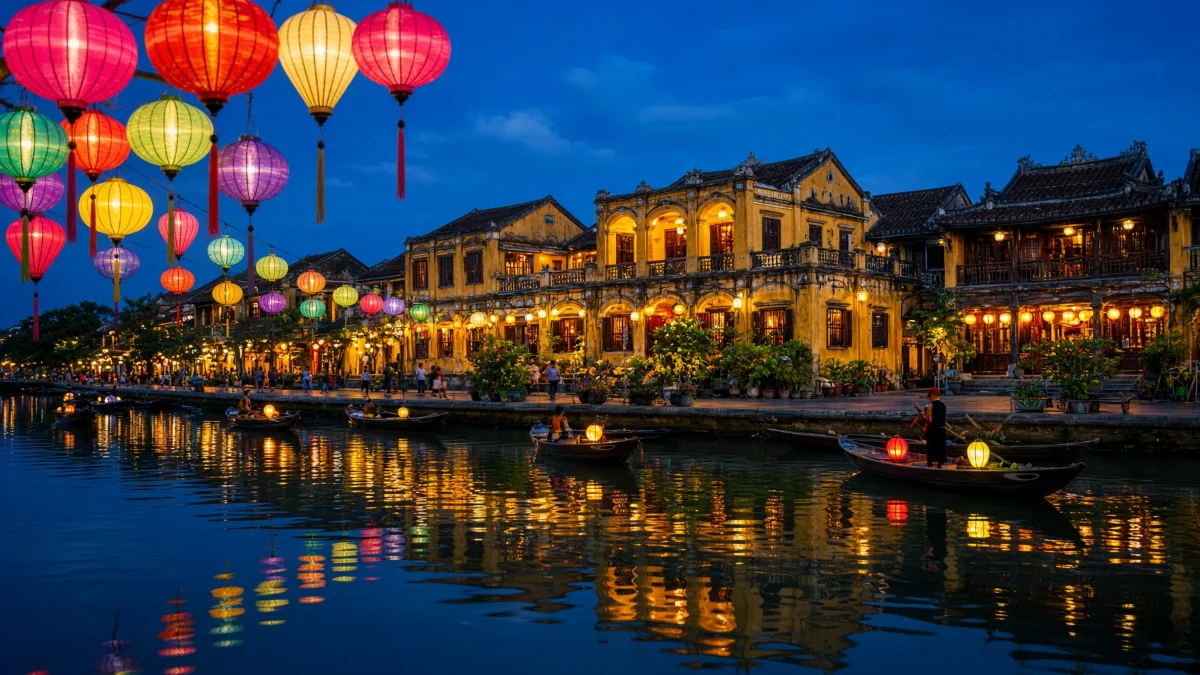
Often called the “Lantern Festival,” Mid-Autumn is especially charming in the evenings, with lanterns, street snacks, and family-focused celebrations. In places like Hoi An, it can feel magical after sunset, with glowing streets and a festive buzz.
- What it’s great for: Lantern-lit evenings, night markets, seasonal sweets (moon cakes), and standout photography.
- What to expect: Crowds in old towns and riverside areas, especially on weekend nights.
- Smart travel tip: Go earlier in the evening for photos, then return later when the lights are at their best and the crowds begin to thin.
5.3. Hue Festival (cultural celebrations)
When: Usually spring or early summer (schedule changes by year)
Hue’s major cultural events bring the former imperial capital to life with performances, traditional music, parades, and heritage sites that stay active well into the evening.
- What it’s great for: Culture lovers, evening performances, and a deeper “imperial city” experience beyond daytime sightseeing.
- What to expect: More domestic visitors, busier hotels, and higher demand for guides and tickets.
- Smart travel tip: Reserve accommodation early and tour key sites in the morning to beat both heat and peak crowds.
5.4. Reunification Day & Labor Day
When: April 30 and May 1
These back-to-back public holidays create a short, intense travel surge across Vietnam. Popular beaches and resort areas can fill up fast.
- What it’s great for: High-energy local travel vibes, busy beach towns, and a lively atmosphere.
- What to expect: Heavy traffic, limited availability in hotspots, and price spikes on flights and hotels.
- Smart travel tip: If you dislike crowds, avoid major resort hubs during these dates, or base yourself in a larger city and do day trips.
5.5. Quick planning notes (so festivals work for you)
- Book earlier than usual: Flights, sleeper trains, and well-located hotels sell out fastest around major holidays.
- Expect holiday hours: Some businesses close for key days, especially during Tet.
- Add a buffer day: If you’re moving between regions, give yourself flexibility for crowds and transport delays.
Take your learning beyond the classroom with a journey through Indochina! From Vietnam’s rich history to Cambodia’s majestic temples and Laos’ tranquil beauty, this is your chance to experience Southeast Asia like never before and create memories that will last a lifetime.