Ultimate Vietnam Educational Travel Checklist for Students In 2026
Ultimate Vietnam Educational Travel Checklist for Students
Hey there, fellow adventure architects! As a passionate edutravel expert who’s guided countless student groups through Asia’s wonders, I’m thrilled to share this ultimate checklist for your Vietnam journey. Imagine your students immersing in Hanoi’s vibrant history, decoding ecology in the Mekong Delta, or absorbing ancient wisdom at Hue’s palaces. Vietnam transforms lessons into real-world magic, fostering global citizenship and empathy.
Tailored for school trips and cultural immersions, this guide covers visas, packing, health, and insider tips for seamless experiences. Let’s spark curiosity, build connections, and ignite lifelong learning. Your students’ global awakening begins now!
1. Pre-Trip Planning: Transformative Foundations
This is where the adventure truly begins! Smart planning turns your Vietnam edutravel program into a seamless, high-impact experience that builds global citizenship from day one.
This is where the adventure truly begins. Smart planning turns your Vietnam edutravel program into a seamless, high-impact experience that builds global citizenship from day one.
1.1. Visa and Entry Requirements for Student Groups
Getting visas right is your first win, and it’s easier than you think in 2026.
Most nationalities qualify for Vietnam’s e-visa, offering up to 90 days with multiple entries. This works perfectly for faculty-led programs, service learning, or extended cultural immersions. For school groups of 10 or more students, group visa processing saves time and cuts paperwork stress significantly. We have handled delegations of 50+ students many times without issues.
Citizens from ASEAN countries, the UK, and several European nations enjoy 45-day visa-free entry, which suits shorter introductory cultural tours very well. If your program includes community projects, healthcare shadowing, or academic partnerships (such as Mekong Delta or Hanoi offerings), consider a student visa for stays up to six months. This option supports deeper learning and can align with academic credits.
Quick preparation checklist:
- Valid passport (at least 6 months validity remaining)
- Recent passport-sized photo
- Invitation letter from local partners (we can help arrange this)
- Proof of educational purpose
Always verify the latest rules on the official Vietnam Immigration portal closer to your travel date. Policies can change, but good preparation keeps everything smooth and stress-free.
With visas sorted, your group arrives ready to jump straight into meaningful discovery. Next comes choosing the perfect timing to maximize every learning opportunity.
1.2. Best Time to Visit for Educational Impact
Timing your trip is one of the smartest ways to supercharge learning outcomes. Vietnam’s climate varies hugely from north to south, so matching seasons to your curriculum goals creates the richest, most comfortable educational experiences possible.
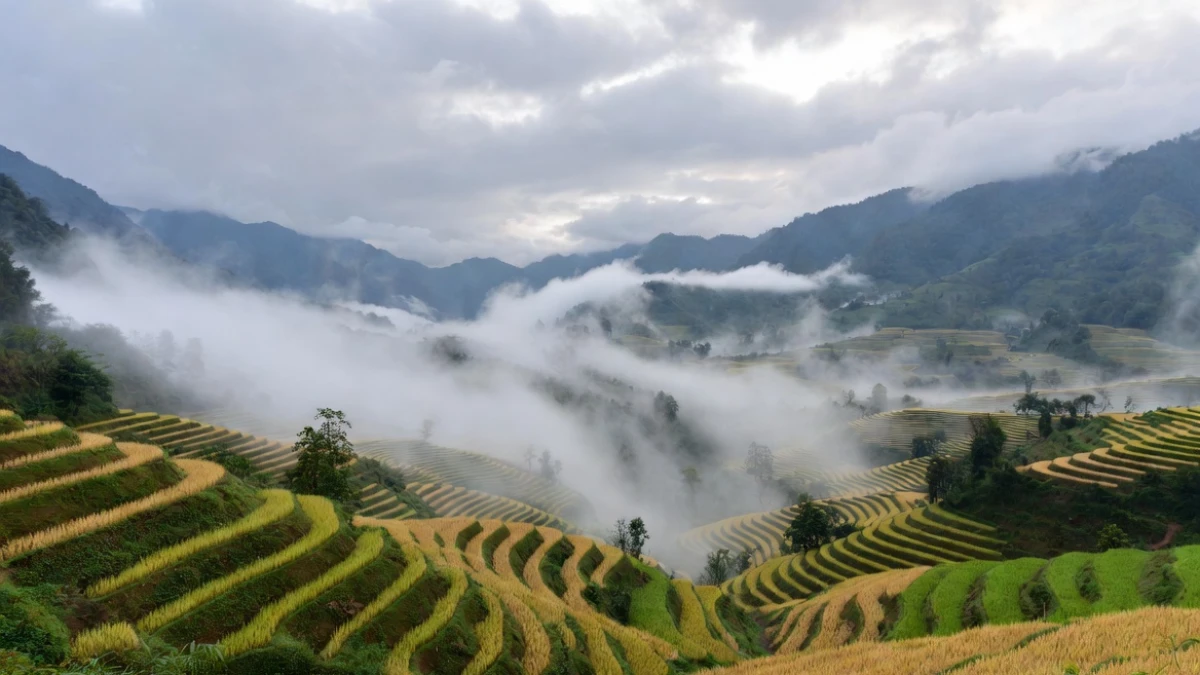
- Northern Vietnam (Hanoi, Sapa, Ha Long Bay): November to April is the prime dry season with cool, clear days – perfect for active fieldwork. February to April stands out with mild temperatures and blooming landscapes, ideal for Sapa rice terrace hikes (sustainable agriculture & ethnic cultures) and Ha Long Bay boat studies (geology & marine ecology).
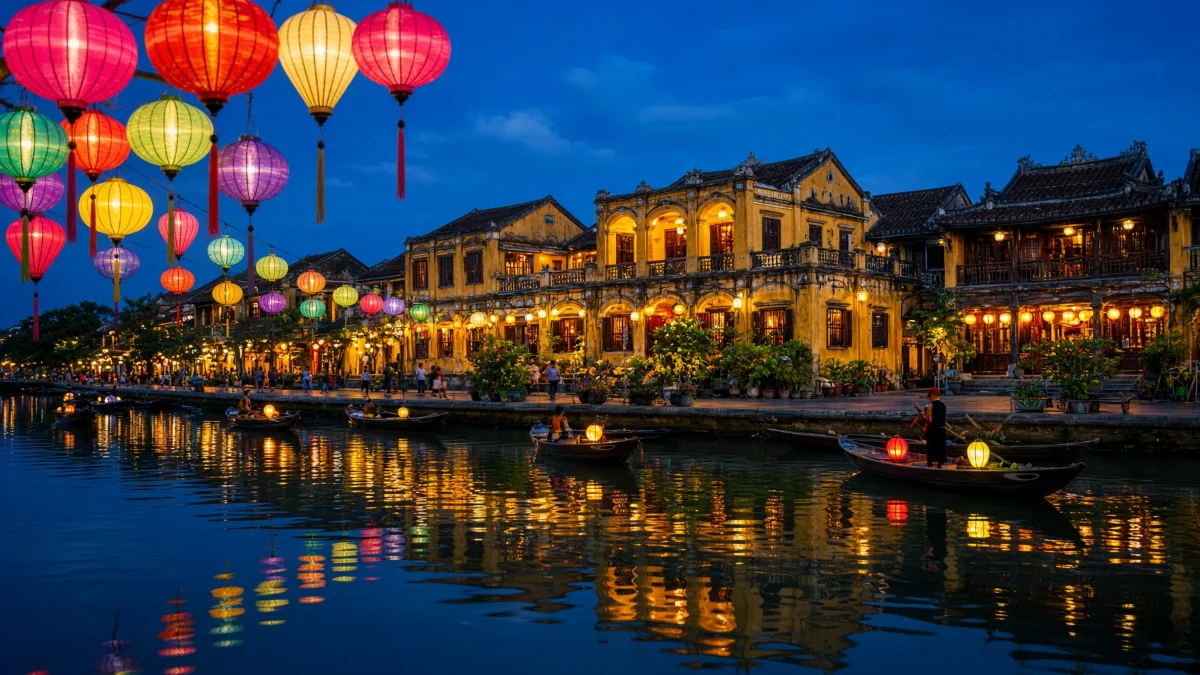
- Central Vietnam (Hue, Hoi An, Da Nang): February to May delivers sunny, pleasant weather – excellent for heritage site walks, lantern-making workshops, and imperial history deep dives. Avoid September–November if heavy rain might limit outdoor cultural activities.
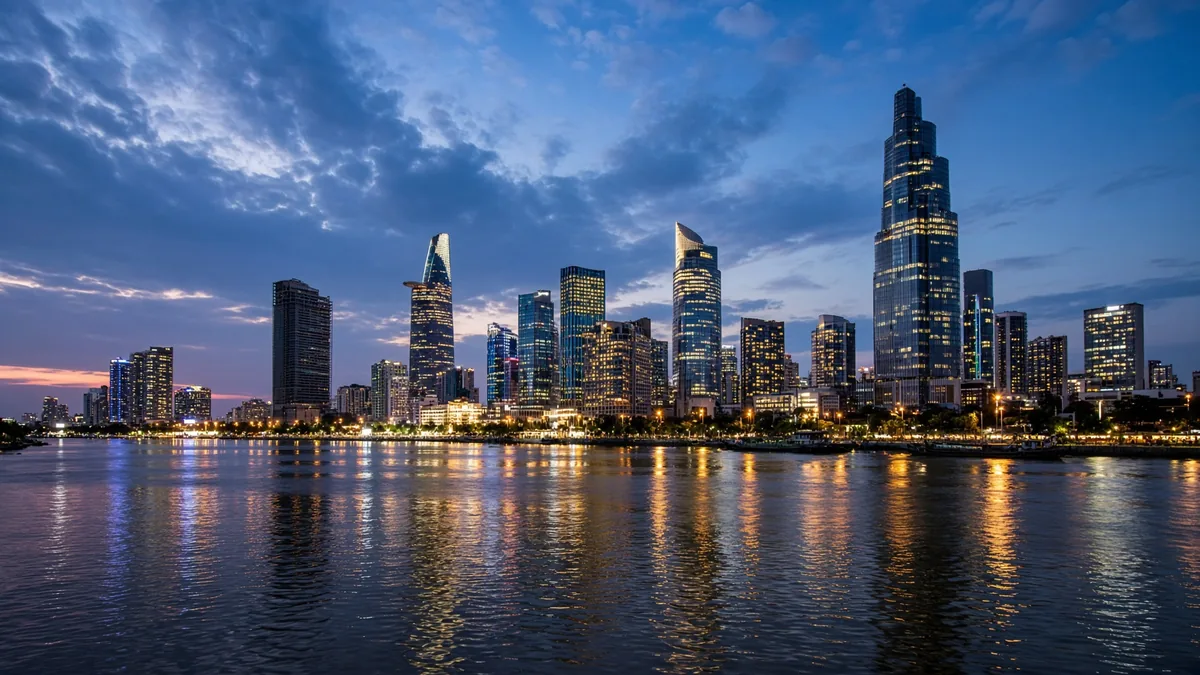
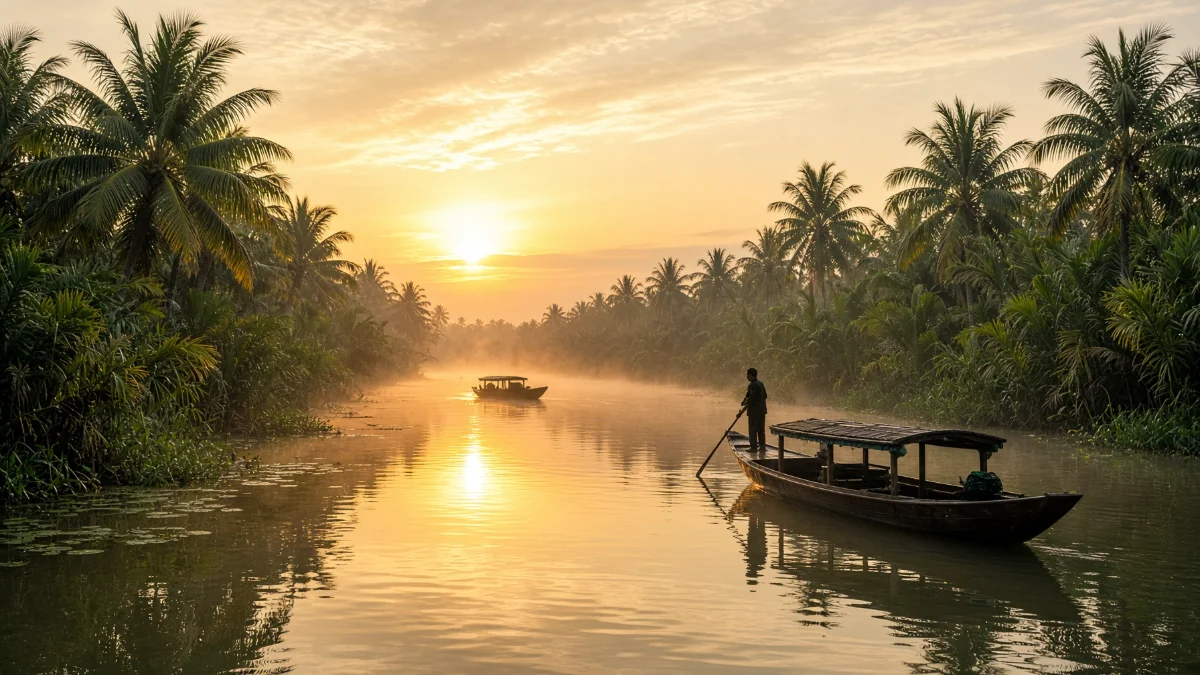
- Southern Vietnam (Ho Chi Minh City, Mekong Delta): December to April is dry and easy to navigate – fantastic for floating market visits, community resilience discussions, and hands-on ecology along the waterways.
- Festival alignment: Tet (Lunar New Year, usually January/February) gives an unbeatable, living immersion into Vietnamese family traditions, community values, and cultural continuity – a perfect module for social studies or anthropology.
- School calendar fit: Target major breaks (winter, spring, or summer) to keep student energy high and leave plenty of room for pre-trip preparation and post-trip reflection projects.
Pro tip: For multi-region itineraries, start in the cooler north and travel south. This natural progression lets students observe seasonal and climatic contrasts firsthand, turning travel logistics into powerful, real-world geography and climate-change lessons.
1.3. Booking Flights and Accommodations
With dates locked in, securing the right flights and stays sets the foundation for smooth group dynamics and immersive learning.
- Flights: Opt for budget-friendly carriers like VietJet Air, Bamboo Airways, or Vietnam Airlines, which frequently offer group discounts. Book 4–6 months ahead for the best fares and to secure seat blocks together. Direct or one-stop routes via Singapore, Bangkok, or Seoul keep transit short so students arrive energized and ready to learn.
- Accommodations: Choose properties that actively support educational goals:
- Mekong Delta homestays for authentic rural life, host-family interactions, and sustainability lessons
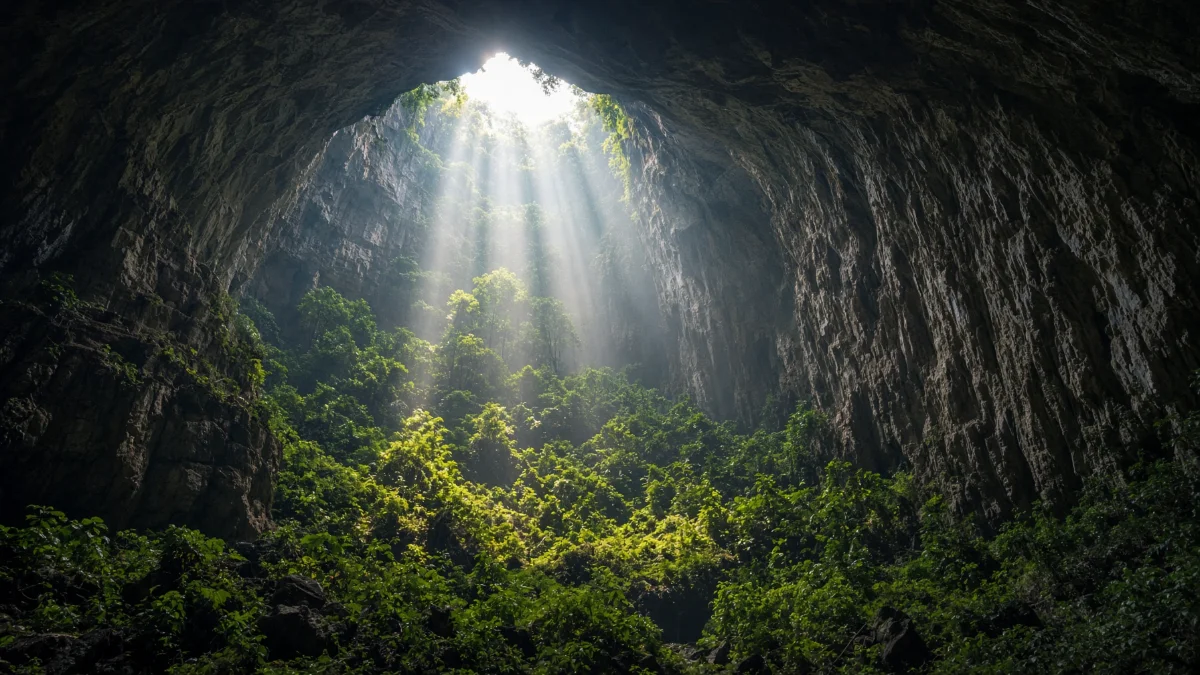
- Eco-lodges near Phong Nha-Ke Bang National Park for cave explorations and environmental science
- Centrally located guesthouses in Hanoi or Hoi An with communal spaces for evening debriefs, journaling, and group workshops
- Ho Chi Minh City partner hotels close to war history museums and cultural sites for easy access
- Group-friendly priorities: Family rooms or dorm-style setups, inclusive breakfast, meeting areas for reflections, and locations that encourage local interaction rather than isolation.
We always select accommodations that double as learning environments – places where students practice basic Vietnamese with hosts, join cooking classes tied to cultural heritage, or participate in evening discussions with community members. The right roof overhead turns every moment into part of the curriculum. Next comes budgeting that keeps the focus firmly on experiences and impact!
1.4. Curriculum Tie-Ins
The true power of edutravel shines when the journey aligns tightly with your learning objectives. Vietnam offers endless natural connections – here are proven ways to map experiences to classroom subjects.
- History & Social Studies: Hanoi’s Old Quarter and Ho Chi Minh Mausoleum → modern Vietnamese identity; Hue Imperial City and Cu Chi Tunnels → colonial era, wars, and resilience; war museums → critical thinking about conflict and peace.
- Geography & Environmental Science: Sapa rice terraces → sustainable farming and climate adaptation; Mekong Delta homestays → river ecosystems, biodiversity, and human impact; Ha Long Bay → karst geology and marine conservation.
- Cultural Anthropology & Global Citizenship: Homestays and ethnic minority village visits → traditions, community structures, and cross-cultural empathy; Tet festival participation → family values and national identity.
- Economics & Entrepreneurship: Floating markets and urban street vending → informal economies and resilience; craft villages (ceramics, silk, lacquer) → traditional industries and modern adaptation.
- Language & Communication: Daily interactions, basic phrase practice, and market bargaining → real-world language application and confidence-building.
- Service-Learning & Sustainability: Light community projects (school support, mangrove planting, recycling initiatives) → hands-on global responsibility and reflection on privilege.
Pro tip: Create a pre-trip “learning map” with students – assign each person a theme to research and document during the trip. Post-trip reflections and presentations turn the experience into lasting academic value.
With pre-trip planning locked in, your group is primed for arrival with purpose and excitement. Next up: packing that keeps everyone comfortable, respectful, and ready to soak up every lesson Vietnam has to offer!
2. Packing Smart for Student Explorers: Essentials for Learning & Adventure
Packing for a Vietnam edutravel adventure is all about balance – creating a lightweight kit that keeps everyone comfortable, culturally respectful, and fully equipped to capture those “lightbulb” learning moments. As someone who’s helped dozens of student groups pack (and repack!) for Asia’s surprises, here’s the streamlined, practical list that works every time.
2.1. Clothing and Gear for Varied Climates
Vietnam throws every season at you in one trip, so versatility is your superpower.
- Core wardrobe: Lightweight, quick-dry T-shirts and long-sleeve shirts (UV-protective if possible), breathable pants or convertible zip-offs, modest knee-length shorts/skirts for temple visits.
- Layering essentials: Fleece or light jacket for cooler northern mornings/evenings (especially Sapa), plus a packable rain poncho or lightweight waterproof jacket for sudden showers.
- Footwear: Comfortable walking shoes or sturdy sandals for city streets and rural paths; flip-flops for homestays and showers.
- Respectful extras: Scarf or shawl (doubles as sun protection and quick temple cover-up), hat, sunglasses.
- Group tip: Encourage neutral colors and modest styles – it shows respect and makes blending in easier during village visits or homestays.
2.2. Tech and Gadgets for Immersive Learning
Keep the digital tools simple, reliable, and learning-focused – no need for heavy gear when curiosity is the real battery.
- Must-haves: Smartphone + portable charger (10,000–20,000 mAh) to power journaling apps, translation tools, and photo documentation all day.
- VPN app: Pre-install one (many free options work) for unrestricted access to educational resources and social media.
- Offline helpers: Google Translate app (download Vietnamese offline pack), Maps.me or similar offline maps, e-reader or tablet with pre-loaded Vietnam history/geography PDFs.
- Creative capture: Small notebook + pen for reflections, or a compact action camera/dictaphone for recording interviews with locals (with permission!).
- Group share: One or two shared power strips and international adapters (Type A/C) to keep the whole crew charged during debrief sessions.
2.3. Health and Safety Items
Health prep keeps the focus on discovery, not downtime – pack smart and share responsibility.
- Basics: Personal medications (enough for the trip + extra), small first-aid kit (band-aids, antiseptic wipes, pain relievers, anti-diarrheal, motion sickness tabs).
- Protection: High-SPF sunscreen, DEET insect repellent (especially for rural/mosquito areas), hand sanitizer, reusable face masks (handy for dusty roads or crowded markets).
- Hydration & hygiene: Reusable water bottle with filter (many places have safe refill stations now), quick-dry travel towel, toilet paper packets.
- Group items: Shared hand sanitizer stations, basic allergy meds, and a laminated emergency contact card for each student (including local guide numbers and your agency’s 24/7 line).
2.4. Educational Extras
These small additions turn travel into active, reflective learning – the secret sauce of great edutravel.
- Journaling tools: Dedicated notebook or guided reflection prompts booklet (we often provide custom ones for our programs).
- Cultural connectors: Pocket Vietnamese phrasebook or flashcards with key greetings, thanks, and food words – instant icebreakers with hosts and vendors.
- Reference gems: Lightweight paperback or laminated cheat sheets on Vietnamese history timeline, key festivals, or Mekong ecology facts.
- Souvenir starter: Small space for meaningful mementos (postcards, local crafts) to use in post-trip presentations or classroom displays.
Pro tip: Use a shared packing checklist app or Google Sheet so students and chaperones can tick items off together – it builds excitement and accountability. Pack light (aim for carry-on only if possible) – you’ll have more energy for exploring and less stress at airports.
With packing sorted, your group is ready to arrive light, respectful, and primed for deep discovery. Next up: keeping everyone healthy, safe, and thriving throughout the journey!
3. Health and Safety: Stay Vibrant on Your Voyage
Health and safety form the invisible safety net that lets your students focus entirely on discovery, growth, and connection. Vietnam is welcoming and generally safe for well-prepared groups, but thoughtful prep keeps everyone thriving – physically, mentally, and emotionally – throughout the journey.
3.1. Vaccinations and Insurance
Start with the essentials to protect your group and give parents peace of mind.
- Recommended vaccinations: Hepatitis A and B, Typhoid, Tetanus/Diphtheria/Pertussis booster, and Rabies (if rural treks or animal contact are involved). Routine childhood shots should be up to date. Check CDC or WHO guidelines 4–6 weeks before departure.
- Malaria & dengue precautions: Low risk in most tourist areas, but insect repellent (DEET 20–50%) and long sleeves/pants at dusk are smart for Mekong Delta or rural stays.
- Travel insurance: Mandatory for educational groups. Choose comprehensive coverage that includes adventure activities (trekking, cycling), medical evacuation, trip cancellation/interruption, and COVID-related issues. Look for policies with 24/7 assistance and direct billing options.
- Group documentation: Keep copies of vaccination records, insurance policies, and emergency contacts (including your agency’s 24/7 line) in a shared digital folder and printed backups.
Pro tip: Host a pre-trip health briefing – turn it into a mini-lesson on global health equity and preventive care.
3.2. Eating and Drinking Safely
Vietnamese food is one of the trip’s biggest highlights – fresh, flavorful, and full of cultural stories. With a few simple habits, everyone can enjoy it worry-free.
- Smart choices: Pick busy street stalls and restaurants where food turns over quickly – fresh means safer. Go for hot, cooked dishes, peeled fruits, and drinks from sealed bottles.
- Water rule: Stick to bottled or boiled water. Many places now have safe refill stations – encourage reusable filtered bottles to stay hydrated and eco-friendly.
- Cultural learning moment: Turn street food tastings into quick lessons on Vietnamese regional cooking styles, fresh ingredients, and food traditions passed down through generations.
- Special diets: Tell your local guides ahead about any allergies, vegetarian needs, or halal requests – Vietnamese hosts are usually very flexible with advance notice.
Pro tip: Make one meal a “food discovery” activity – have students note what they taste, how it’s made, and the stories behind it. It deepens cultural understanding while keeping things safe and fun.
3.3. Navigating Scams and Emergencies
Knowledge is the best defense – Vietnam is very safe, but a little awareness keeps everything smooth and stress-free.
- Everyday precautions: Store valuables in hotel safes or money belts, use trusted ride apps like Grab instead of random taxis, and agree on prices before starting any cyclo or moto ride.
- Common tricks to avoid: Politely say no to overly pushy offers (cheap gems, fake tours) in busy tourist spots – a friendly “no thank you” in Vietnamese works wonders.
- Emergency plan: Give every student a laminated card with key numbers: 115 (ambulance), 113 (police), your guide’s contact, embassy details, and our agency’s 24/7 support line.
- Group system: Use buddy pairs and set clear meet-up spots in crowded markets or big sites.
Pro tip: Practice a few “what-if” scenarios during pre-trip meetings – it builds confidence and turns safety prep into a real empowerment lesson.
3.4. Mental Wellness for Cultural Immersion
Diving deep into a new culture is thrilling but can feel intense – supporting emotional well-being keeps the experience positive and growth-focused.
- Pre-trip talk: Openly discuss culture shock – the excitement, homesickness, or sensory overload are all normal and part of the journey.
- Daily check-ins: End each day with short group circles where students share one high, one challenge, and how they’re feeling.
- Balance the pace: Build in quiet reflection time, free afternoons, or gentle activities after heavy emotional sites (like war museums or community visits).
- Open door policy: Remind everyone they can talk privately with chaperones or guides anytime – no question is too small.
Pro tip: Start a simple gratitude journal – one meaningful moment or connection each day. It helps process big feelings, builds empathy, and reinforces the global citizenship we’re nurturing.
With health and safety covered, your group is ready to embrace Vietnam fully – body, mind, and spirit. Next comes the heart of the adventure: on-the-ground tips to turn every day into a living, breathing classroom!
4. On-the-Ground Tips: Mastering Vietnam’s Magic
The moment your group lands, the real classroom opens! Vietnam comes alive through every interaction, sight, and shared meal. These practical, field-tested tips help turn daily moments into powerful learning opportunities while keeping everything smooth, respectful, and joyful.
4.1. Transportation Hacks
Moving around Vietnam safely and efficiently is half the adventure – choose options that double as geography and culture lessons.
- Private vans or minibuses: The gold standard for student groups – comfortable, flexible, and allows on-board debriefs or mini-lectures while traveling between sites.
- Overnight trains: Scenic, budget-friendly, and memorable for Hanoi–Hue or Hue–Da Nang legs. Students love the bunk beds, window views, and bonding time (perfect for journaling about landscapes).
- Grab rides & cyclo: Use Grab app for short city hops in Hanoi or Ho Chi Minh City – safer and cheaper than random taxis. Cyclo rides offer a slow-paced, personal introduction to urban life.
- Motorbike taxis (xe ôm): Great for quick solo or small-group transfers, but only with helmets and trusted drivers arranged by your guide.
- Walking & cycling: Ideal in compact heritage towns like Hoi An or Hanoi’s Old Quarter – turns navigation into an active cultural observation exercise.
Pro tip: Always brief students on road safety – Vietnam’s traffic is chaotic but follows its own rhythm. Stay together, cross with locals, and use it as a real-world lesson in adaptability.
4.2. Cultural Etiquette
Respectful behavior opens doors faster than any guidebook – these simple habits create genuine connections and model global citizenship.
- Greetings & respect: Smile, nod, and use “xin chào” (hello) with a light bow or hands together. Remove shoes when entering homes, temples, or homestays.
- Temple & pagoda manners: Dress modestly (shoulders and knees covered), speak quietly, remove hats, and never point feet toward statues or people.
- Gift-giving & photos: Small tokens (pens, notebooks, school supplies) are appreciated in villages. Always ask permission before photographing people, especially children.
- Bargaining with kindness: Light haggling at markets is expected and fun – teach students to smile, negotiate politely, and see it as a cultural exchange rather than confrontation.
- Table manners: Hold chopsticks properly, don’t stick them upright in rice, and try everything offered – it shows appreciation for the host’s effort.
Pro tip: Turn etiquette into a daily challenge – award “cultural ambassador” points for the most respectful or thoughtful interaction each day. It gamifies learning and builds pride.
4.3. Must-See Educational Spots
These hand-picked highlights align perfectly with core subjects and deliver those unforgettable “wow” moments.
- Hanoi Old Quarter & Hoàn Kiếm Lake: Living history museum – perfect for urban anthropology, colonial legacy, and modern Vietnamese identity.
- Sapa rice terraces & ethnic villages: Hands-on geography, sustainable agriculture, and cultural diversity lessons with H’mong and Dao communities.
- Ha Long Bay & Cat Ba Island: UNESCO geology classroom – karst formations, marine biodiversity, and climate impact discussions.
- Hue Imperial City & royal tombs: Deep dive into Vietnam’s dynastic past, architecture, and Confucian philosophy.
- Hoi An Ancient Town: Lantern workshops, heritage conservation, and trade history – great for art, economics, and preservation studies.
- Mekong Delta homestays & floating markets: Real-world ecology, entrepreneurship, river livelihoods, and climate resilience.
- Ho Chi Minh City War Remnants Museum & Cu Chi Tunnels: Thought-provoking reflections on conflict, reconciliation, and peace-building.
Pro tip: Assign “student experts” for each site – they research ahead and lead short presentations on arrival. It boosts ownership and deepens engagement.
4.4. Sustainable Travel Practices
Leave Vietnam better than you found it – small actions teach responsibility and reinforce global citizenship.
- Reduce plastic: Use reusable bottles, bags, and straws – many homestays now provide filtered water.
- Support locals: Shop at craft villages, eat at family-run stalls, choose community-based tours – your spending directly helps families.
- Light service elements: Plant mangroves, support school supplies drives, or join short recycling projects – meaningful without overwhelming the itinerary.
- Mindful photography & interaction: No littering, respect quiet zones in villages, and follow “leave no trace” principles everywhere.
Pro tip: End the trip with a group “legacy reflection” – what positive footprint did we leave? It ties sustainability to personal growth.
5. Conclusion: Launch Your Adventure
You’ve got the full roadmap – visas sorted, packing light, health covered, etiquette mastered, and a trail of transformative sites waiting. Vietnam doesn’t just teach facts; it shapes hearts, widens perspectives, and plants seeds of lifelong curiosity and compassion.
Your students are about to step into one of Asia’s most powerful living classrooms. They’ll return with stories that textbooks could never capture, friendships across cultures, and a deeper sense of their place in the world.
Ready to make it happen? Reach out to us at EduTravel Asia – we specialize in crafting these exact journeys for schools and student groups. Let’s design the perfect program that aligns with your curriculum, budget, and dreams.
Take your learning beyond the classroom with a journey through Indochina! From Vietnam’s rich history to Cambodia’s majestic temples and Laos’ tranquil beauty, this is your chance to experience Southeast Asia like never before and create memories that will last a lifetime.