


The Kingdom of Wonder
Why Cambodia
More than a destination, it’s a story of resilience! Cambodia offers a profound journey through ancient wonders and a complex modern history.
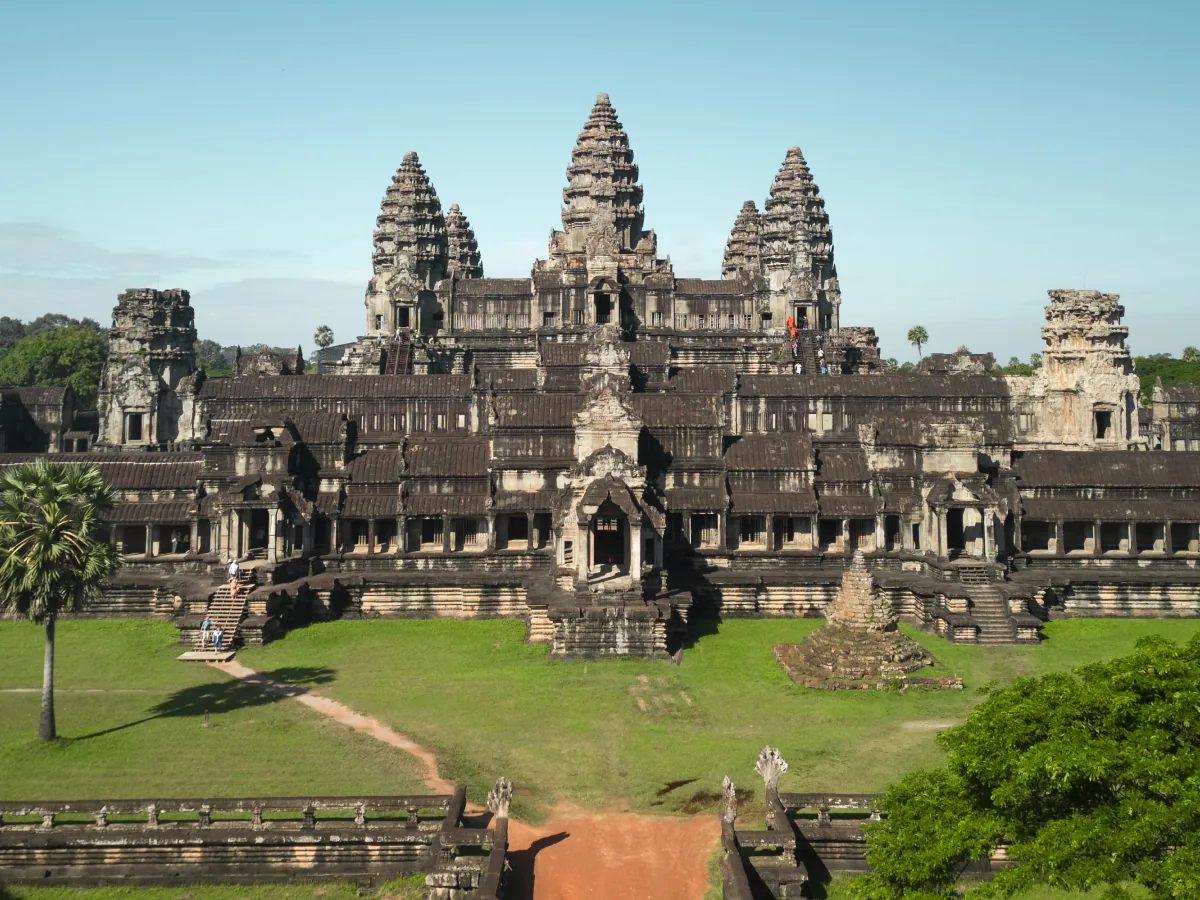
Our programs immerse students in the architectural marvel of Angkor Wat and the vibrant, unbreakable spirit of the Khmer people. Every moment is a powerful lesson in history, art, and human endurance, crafted to inspire empathy and a deeper worldview.
Cambodia at a Glance: Country Essentials
Everything you need before you start planning — geography, money, plugs and time.
- Where it sits: Cambodia occupies the southern reach of the Indochinese peninsula, bordered by Thailand to the west and northwest, Laos to the north, and Vietnam to the east and southeast, with a coastline along the Gulf of Thailand.
- Land area: 181,035 km² — compact enough that most itineraries cover the highlights without long overland days.
- Population: Around 18 million, with a strikingly young age profile — a demographic legacy of the Khmer Rouge period that shapes the country to this day.
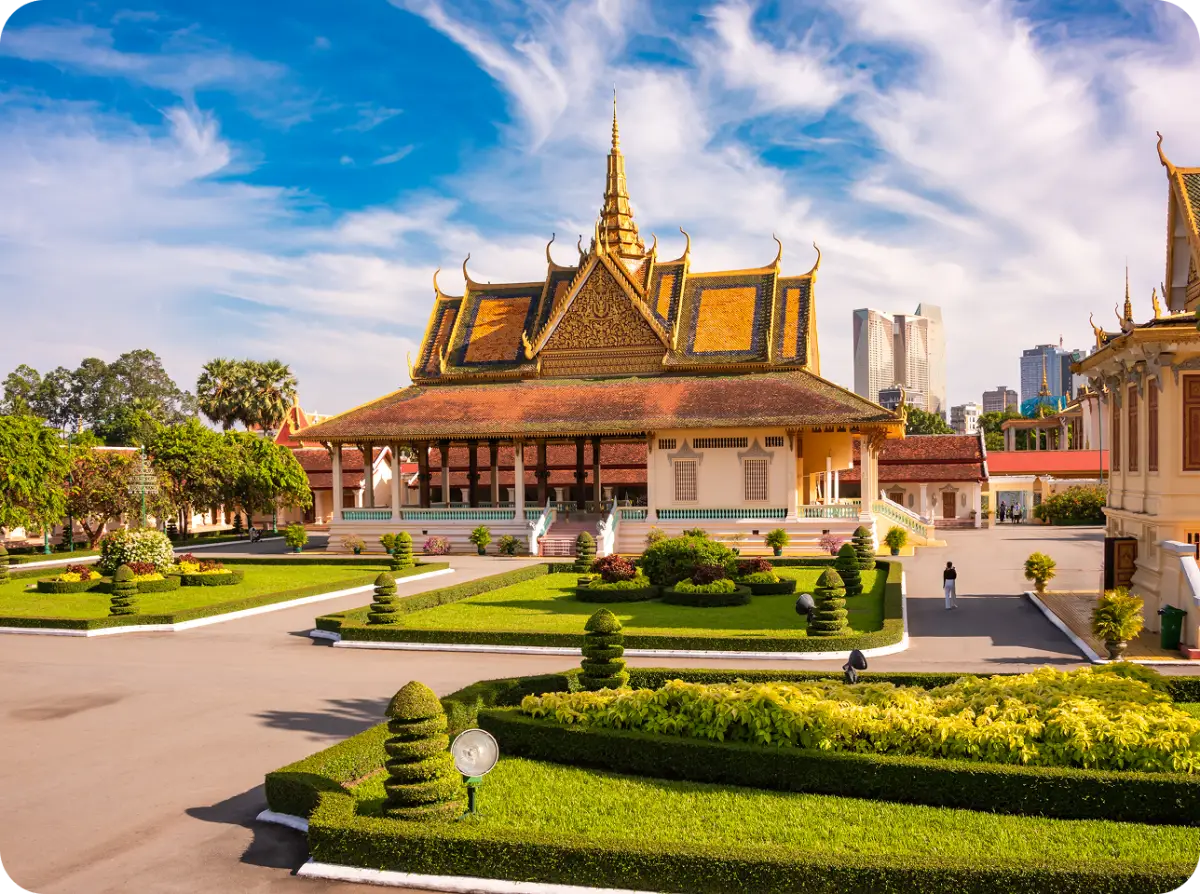
- Capital city: Phnom Penh, set at the confluence of the Mekong and Tonle Sap rivers. Siem Reap, gateway to the Angkor complex, is the main visitor hub.
- Time zone: UTC+7 year-round, with no daylight saving adjustment. The same offset as Vietnam, Laos and Thailand, which keeps multi-country programs simple.
- Faith: Theravada Buddhism is the state religion and is practised by the large majority. Smaller Muslim (largely Cham) and Christian communities are also present, alongside enduring animist and Brahmanic traditions.
- Official language: Khmer, written in its own script. English is widely used in tourism and business; French persists among older generations and in some professional settings.
- Money: The Cambodian Riel (KHR), pegged informally at roughly 4,000 to the US dollar. Note the dual-currency system below — it catches out most first-time visitors.
- Power supply: 230V, 50Hz. Sockets commonly accept types A, C and G, so most plugs fit somewhere — but a universal adapter saves a lot of guesswork.
- Independence Day: 9 November, marking independence from France in 1953.
A word on currency
Cambodia runs on two currencies at once. US dollars are accepted almost everywhere, but change is usually given in Riel, and small purchases are often Riel-only. Bring clean, undamaged dollar bills — a tear, heavy fold or stain is routinely grounds for refusal — and carry small denominations. Rural areas in the north and northeast may not accept dollars at all.
Information current as of 2026
Entry Requirements: Visas & Pre-Arrival Formalities
Cambodia requires a visa from almost every visitor, plus a digital arrival card. Neither is difficult, but both need doing before you fly.
e-Arrival Card — required for everyone
All arrivals must submit a digital e-Arrival card. It can be completed from seven days before arrival and covers immigration, customs and health declarations in a single form. Tablets are available at most airports for anyone who hasn’t filed in advance, but queues move considerably faster for those who have.
Submit through the official portal only: https://www.arrival.gov.kh/
Three ways to get a tourist visa
- Visa on arrival — USD 30: Issued at Phnom Penh and Siem Reap–Angkor international airports and at open land crossings. Bring a passport photo and the fee in clean US dollars. Straightforward for individuals; less so for a group of forty trying to clear immigration together.
- e-Visa — USD 30 plus a processing fee: Applied for online and issued by email. Valid only at a limited set of entry points, so confirm yours is on the approved list before applying. Our recommendation for groups, since it removes the arrival-hall bottleneck entirely.
- Embassy or consulate in advance: Required for some nationalities and sensible for long or non-tourist stays. Allow at least seven working days, and considerably longer in peak season.
The official e-Visa portal is https://www.evisa.gov.kh/ — a large number of lookalike sites charge inflated fees for the same application. Please share this link directly with travellers.
Conditions to check before you book
- Passports must be valid for at least six months beyond your intended departure date from Cambodia.
- Several nationalities are excluded from visa on arrival and must apply in advance. If anyone in your group holds a passport from outside Europe, North America, Australasia or East Asia, check their eligibility early rather than at the airport.
- Citizens of most ASEAN member states enter visa-free for short stays.
- Carry the visa fee in undamaged US dollar notes. Torn or marked bills are regularly rejected.
Important: the Thailand land border
Land border crossings between Thailand and Cambodia have been closed since mid-2025 following an escalation of a long-running territorial dispute, and there is no announced reopening date. Overland routes such as Bangkok to Siem Reap via Poipet are not currently operating, and cross-border bus services are suspended.
Several governments maintain do-not-travel advisories for areas within 20 to 50 km of the Thai border, citing landmines and unexploded ordnance. This affects parts of Banteay Meanchey, Oddar Meanchey, Preah Vihear and Battambang provinces, including the Preah Vihear temple.
What this means in practice: combined Thailand–Cambodia programs must be routed by air. Entry from Vietnam and Laos is unaffected. We monitor this continuously and will not place a group within an advisory zone — if your itinerary needs adjusting, we will raise it with you before you commit.
Entry rules and border status both change. Always verify against your government’s current advisory before travel. Information current as of 2026
When to Travel: Climate & Seasons
Cambodia is small enough to share one climate throughout — tropical, warm year-round, and split cleanly into a dry season and a wet one. Unlike Vietnam, there’s no need to choose between regions; you’re choosing between months.
Cool Dry Season — November to February
The most comfortable window and the busiest. Daytime temperatures sit in a manageable range, humidity drops, and rain is rare. Ideal for long days at Angkor, where shade is limited and the walking adds up. Book accommodation early, particularly around Siem Reap in December and January.
Best for: temple exploration, extended outdoor programs, first visits
Hot Dry Season — March to May
Temperatures climb sharply, often past 35°C in April, and the landscape turns dry and dusty. Still very workable with sensible scheduling — start early, break through the middle of the day, resume late afternoon. Fewer visitors and better rates are genuine compensations. Khmer New Year in mid-April is a highlight for anyone interested in Cambodian culture, though much of the country closes for it.
Best for: lower costs, quieter sites, cultural festivals
Green Season — June to October
Rain arrives, usually as a heavy afternoon downpour rather than all-day drizzle, leaving mornings clear and workable. The countryside turns vivid green, the temple moats fill, and visitor numbers fall away. Some rural roads become difficult, so remote provinces need building in with care.
This is also when the Tonle Sap performs one of the world’s more remarkable natural events: monsoon volume forces the river to reverse direction, expanding the lake several times over and sustaining the floating villages around it. For geography and environmental science groups, seeing it at full extent is worth planning the whole trip around.
Best for: the Tonle Sap at its fullest, dramatic landscapes, value and space
Weather patterns are indicative. Information current as of 2026
Curious About EduTravel In Cambodia?
Learn Before You Go
What makes Cambodia an epic destination for Educational Travel?
Few countries teach resilience as directly as this one. Cambodia holds two extraordinary stories at once — the height of the Khmer Empire, and a genocide within living memory — and students encounter both within a single week. It changes how they think.
What students connect with:
- History & Global Studies: Angkor and the Khmer Rouge period, studied on the ground. Sites like Tuol Sleng are difficult, and handled with care, but they anchor learning about genocide and reconciliation in a way no classroom can.
- Art & Archaeology: Angkor Wat is among the largest religious structures ever built — and an active conservation site, not a finished monument.
- Geography & Environmental Science: The Tonle Sap reverses its flow twice a year, expanding several times over. A visible lesson in hydrology, food security and climate vulnerability.
- Development & Global Citizenship: A country that has rebuilt its institutions from almost nothing in one generation. Students meet the people doing it.
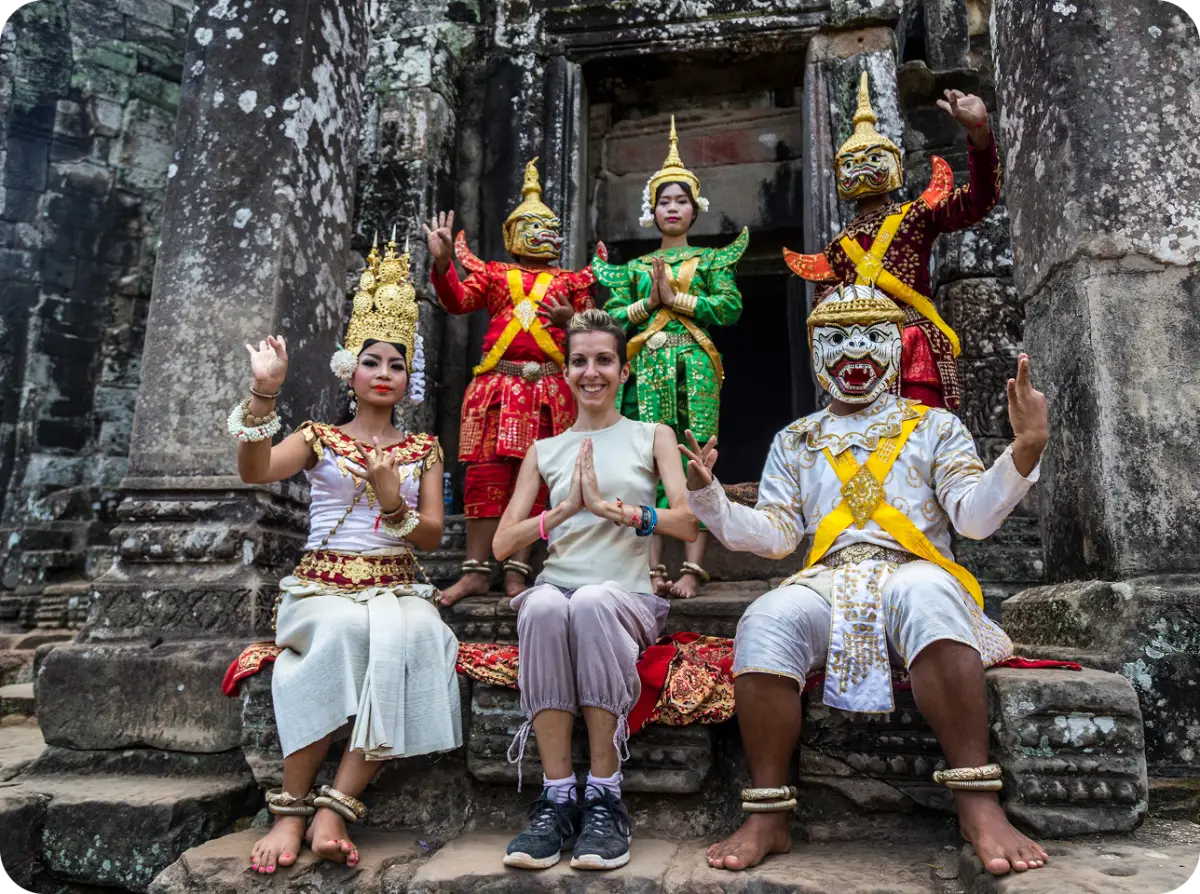
- Culture & the Arts: Classical dance, silk weaving and stone carving, much of it consciously revived after near-total loss.
Compact distances and a famously gentle national temperament make it one of the easiest countries in the region to run a program in.
Are there opportunities for community service or service-learning?
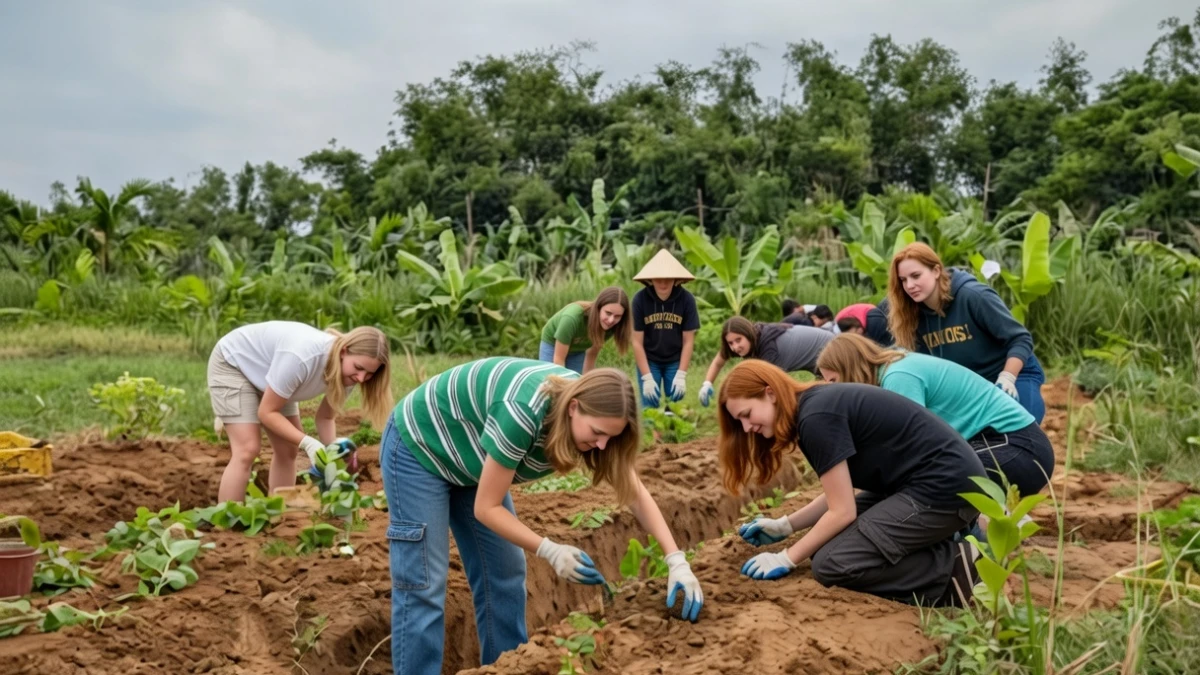
Cambodia has one of the most active community development sectors in the region — which means real choice, and a real need to choose carefully. Every project we run is co-designed with the community it serves.
- Rural education support: Working alongside village teachers on activities, resources and English exchange — supporting staff, not substituting for them.
- Clean water & sanitation: Filter installation, well maintenance and hygiene education, with the public health context that explains why it matters.
- Environmental conservation: Reforestation, waste management and habitat work around the Tonle Sap and the Cardamom forests.
- Youth empowerment & livelihoods: Vocational training and social enterprise programs run with Cambodian NGOs.
- Rural construction: Practical building work led by local tradespeople, who set the standard.
How we approach it: Cambodia’s history with well-meaning volunteers is complicated, and we take that seriously. We work only with established local partners, we do not place students in orphanages or residential care, and no project displaces paid local labour. Understanding why some forms of help cause harm is often the most valuable thing students take home.
How can we interact respectfully with the local culture?
Cambodians are generous hosts, and small courtesies are noticed. We cover this fully in the pre-departure briefing — the essentials:
- Learn a little Khmer: “Chum reap sour” (joom ree-up sour) for hello, “Orkun” (or-koon) for thank you.
- Dress for sacred spaces: Shoulders and knees covered at Angkor, pagodas and the Royal Palace. Entry is genuinely refused otherwise — this belongs on the packing list.
- Ask before photographing: Always, and never inside memorial sites where photography is restricted.
- Mind hands, heads and feet: Give and receive with the right hand or both. Never touch anyone’s head. Don’t point your feet towards people or Buddha images.
- Around monks: Women should not touch a monk or sit too close; ask before photographing.
- Never give money or sweets to children: It sustains begging and pulls children out of school. We explain this properly rather than simply forbidding it.
- At memorial sites: Many Cambodians your group meets lost family. Quiet, unhurried, phones away.
Every group travels with a Cambodian guide who handles the context as it arises — not just what to do, but why.
Is Cambodia suited to healthcare placement programs?
Yes — though for different reasons than a high-resource setting. Cambodia is one of the most instructive places in Asia to study global health, precisely because the system is still being built and every constraint is visible.
Why it works for health students
- A system rebuilt from almost nothing: The Khmer Rouge period left a devastated medical workforce. What exists today was built within living memory — an unmatched case study in health system reconstruction.
- A clearly tiered structure: National hospitals, provincial departments, operational districts, health centres and community posts. Students can follow a referral pathway from village to capital and see where it holds and where it fails.
- Health Equity Funds: Cambodia’s mechanism for covering care costs for the poor is studied internationally as a model for low-income settings — examinable in the field rather than in a journal.
- A double disease burden: Non-communicable disease is rising sharply while infectious disease and maternal health remain active priorities. Both burdens, one system, at once.
- Rehabilitation and prosthetics: Decades of landmine contamination built a rehabilitation sector of real depth — valuable for physiotherapy and occupational therapy students.
- A dense global health sector: Established specialist hospitals and international health organisations give access to practitioners who speak frankly about what does and doesn’t work.
What a placement involves
- Facility observation: Supervised time across urban referral hospitals, district facilities and rural health centres.
- Community health fieldwork: Outreach, screening and preventive programs in rural provinces.
- Academic and NGO sessions: Briefings with Cambodian clinicians and global health practitioners on financing, workforce and delivery.
- Peer exchange: Time with Cambodian medical, nursing and midwifery students.
- Guided reflection: Daily debriefs — students will see resource constraints affect clinical decisions, and that needs processing.
Scope and supervision: our healthcare placements are observational. Students do not perform clinical procedures, deliver hands-on patient care, or act beyond the scope of their training and licensure. This protects patients first, and your students and institution second. Every placement runs under formal agreement with our partner facilities, with supervision, insurance and scope of practice documented in advance for your review.
Requirements vary by discipline and level of study — tell us who is travelling and what your accreditation body expects, and we will confirm what is achievable before you commit.
Our Itinerary Templates
Ready-Made Itineraries, Fully Customizable
Join us on an unforgettable journey through Southeast Asia! Learn from experts, explore amazing places, make a difference, and create lasting memories along the way.
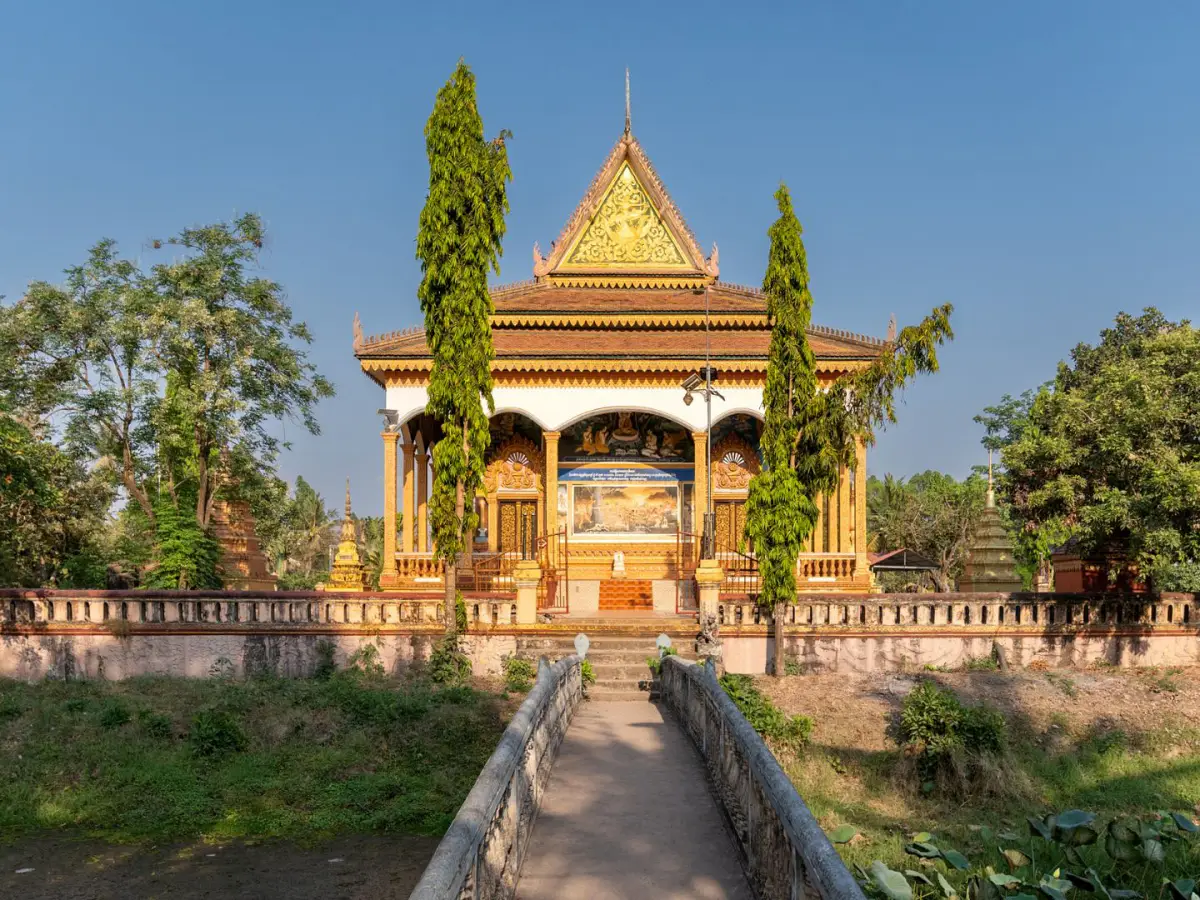
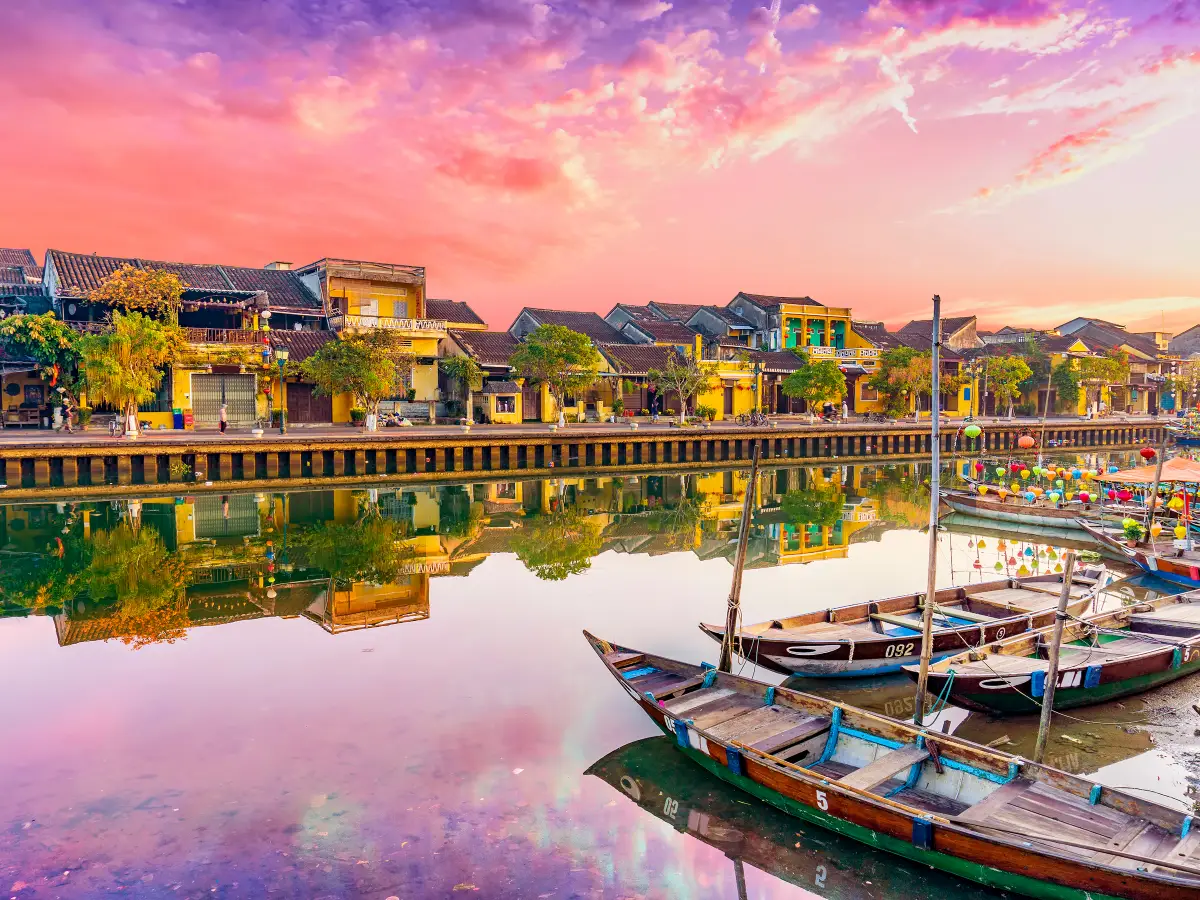
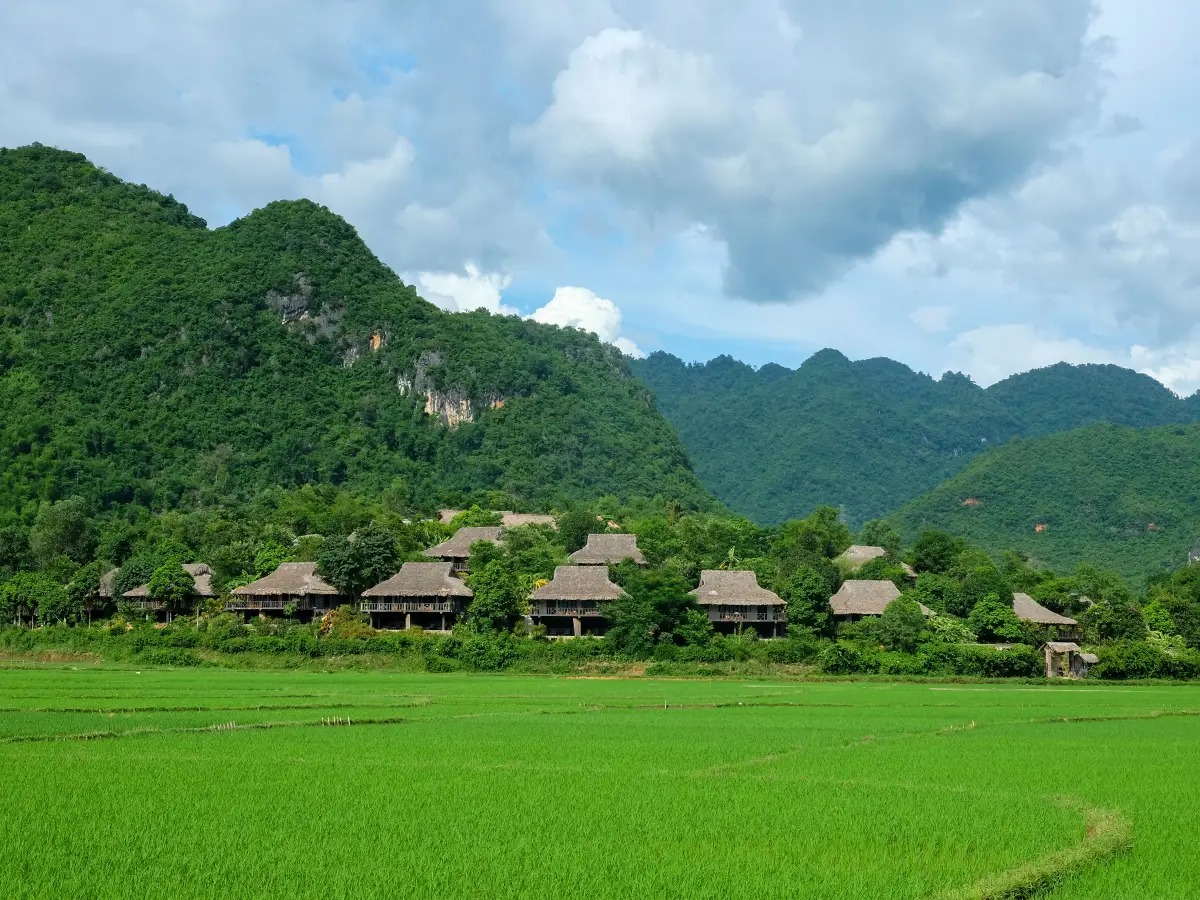
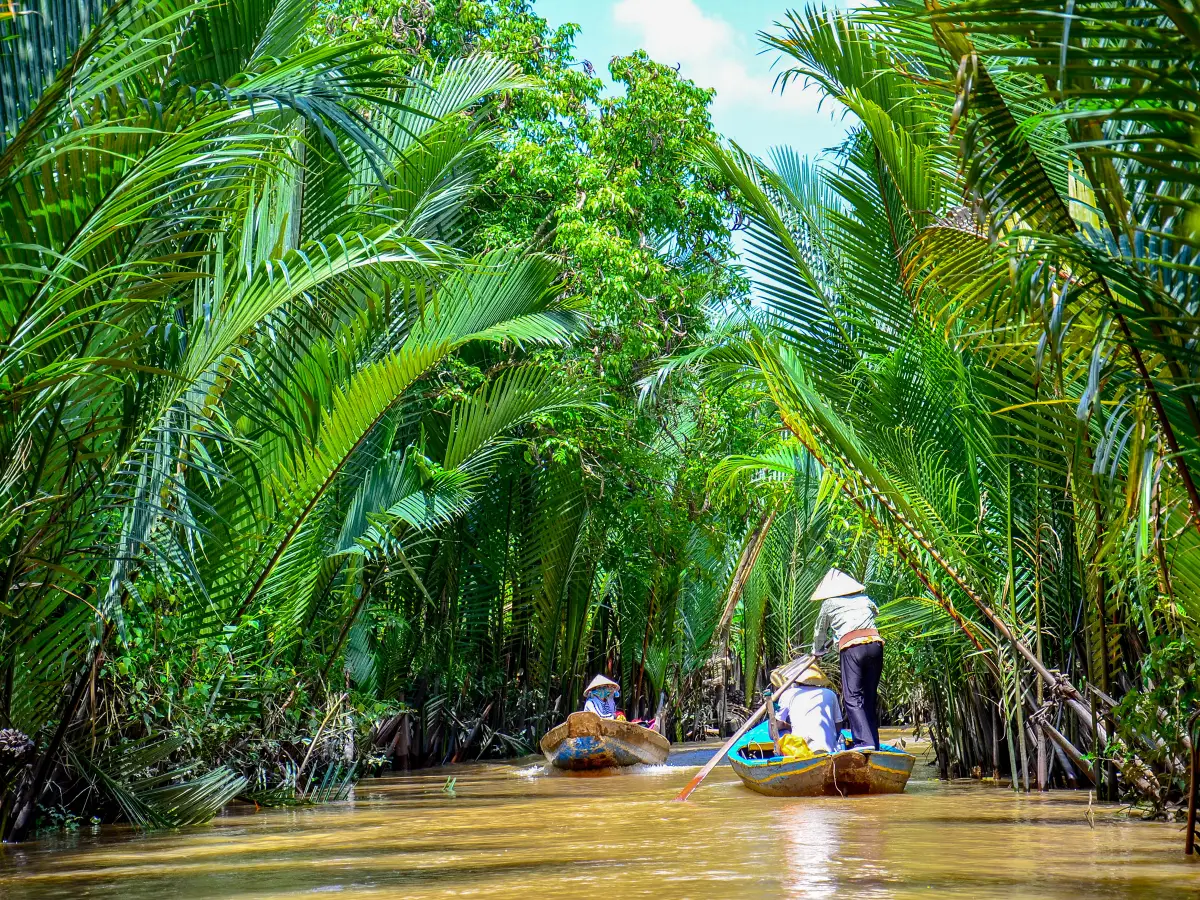
Our Programs
Explore Our Other Programs
Join us on an unforgettable journey through Southeast Asia! Learn from experts, explore amazing places, make a difference, and create lasting memories along the way.
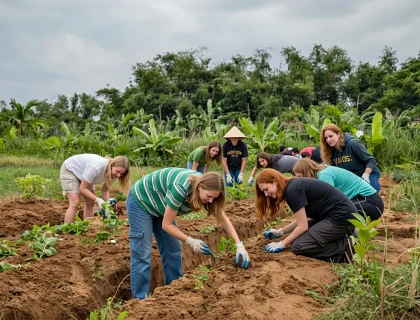
Service – Learning
Students join community-led projects in sustainability, conservation and rural infrastructure, then reflect on the impact each evening.

Faculty-led
University programs built around your syllabus, with site visits and expert sessions your faculty can teach from.
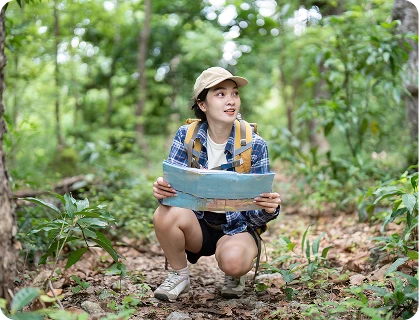
Week Without Walls
Seven action-packed days of conservation, culture and challenge that build teamwork and independence.
MBA Program
Global Business, Real-World Leadership
Company visits, industrial parks and executive briefings inside one of Asia’s fastest-growing economies.
Healthcare Program
Innovating Global Healthcare Solutions
Supervised, observational placements from national hospitals to village clinics, plus daily guided reflection.
Other Programs
Explore Our Other Programs
Join us on an unforgettable journey through Southeast Asia! Learn from experts, explore amazing places, make a difference, and create lasting memories along the way.
Service – Learning
Students join community-led projects in sustainability, conservation and rural infrastructure, then reflect on the impact each evening.
Faculty-Led
University programs built around your syllabus, with site visits and expert sessions your faculty can teach from.
Week Without Walls
Seven action-packed days of conservation, culture and challenge that build teamwork and independence.

MBA Program
Company visits, industrial parks and executive briefings inside one of Asia’s fastest-growing economies.

Healthcare Program
Supervised, observational placements from national hospitals to village clinics, plus daily guided reflection.
Client’s Testimonial
What Teachers and Students Say
Real feedback from schools and universities who have travelled with us.

Why Us
Why Schools and Universities Choose AET
Every program starts with your learning goals and ends with students who have seen, done and understood something new. Here is what sits behind it.

Curriculum First
Itineraries are mapped to your learning outcomes, not adapted from a holiday package.

Fully Customizable
Start from a proven template, then adjust length, pace, projects and budget to fit your group.

Responsible Travel
Long-term community partners, fair local spending, and projects the community asks for.

Expert Local Guides
Guides who know student groups and can explain not just what to see, but why it matters.

Insider Access
Clinics, factories, villages and conservation sites that are hard to reach without local relationships.

Safety & 24/7 Support
Vetted hotels and vehicles, first-aid trained guides, and an operations team on call around the clock.
Curriculum First
Itineraries are mapped to your learning outcomes, not adapted from a holiday package.
Fully Customizable
Start from a proven template, then adjust length, pace, projects and budget to fit your group.
Responsible Travel
Long-term community partners, fair local spending, and projects the community asks for.
Expert Local Guides
Guides who know student groups and can explain not just what to see, but why it matters.
Insider Access
Clinics, factories, villages and conservation sites that are hard to reach without local relationships.
Safety & 24/7 Support
Vetted hotels and vehicles, first-aid trained guides, and an operations team on call around the clock.
Travel Smarter with EduTravel Tips & Stories
Explore the EduTravel Blog for expert tips, cultural highlights, and inspiring stories from our adventures across Vietnam, Cambodia, and Laos.
Our Destinations
Integrate – Inspire – Innovate
Take your learning beyond the classroom with a journey through Indochina! From Vietnam’s rich history to Cambodia’s majestic temples and Laos’ tranquil beauty, this is your chance to experience Southeast Asia like never before and create memories that will last a lifetime.


Planning Guides for Educators
Explore the AET Blog for expert tips, cultural highlights, and inspiring stories from our adventures across Vietnam, Cambodia, and Laos.
-
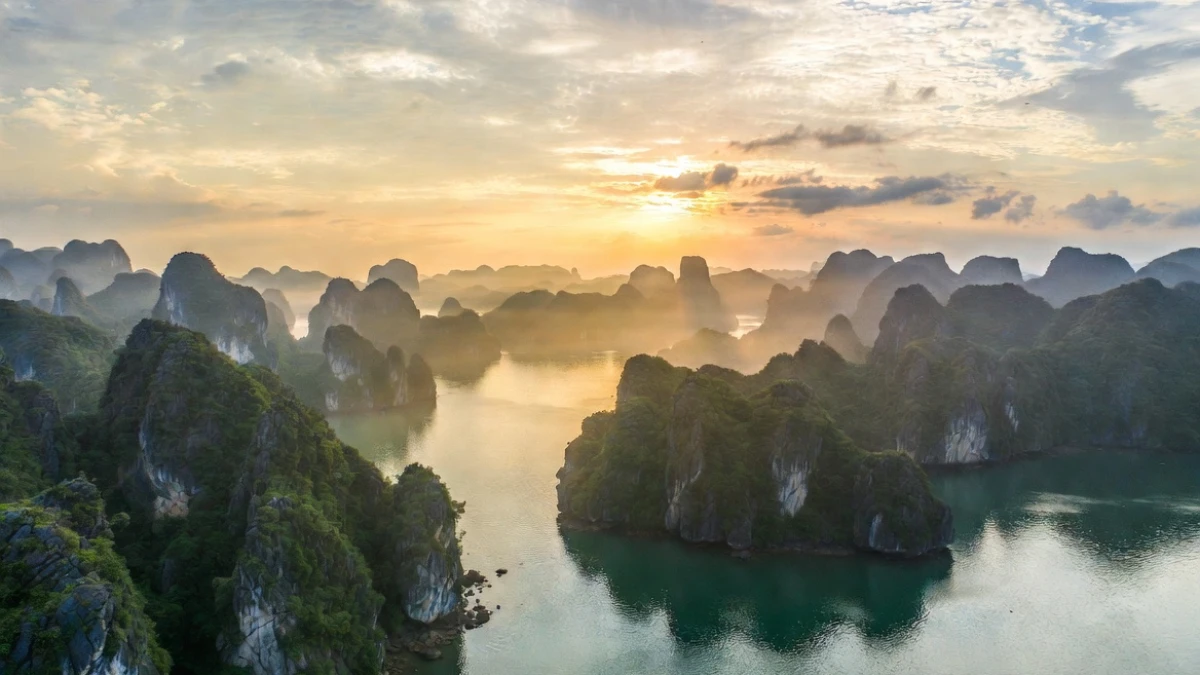
Best Time to Visit Vietnam: A Regional Breakdown & Modern Travel Tips
When is the best time to visit Vietnam? See how the North, Central and South climates differ, which festivals to plan around, and smart tips to time your trip.
0 Comments -
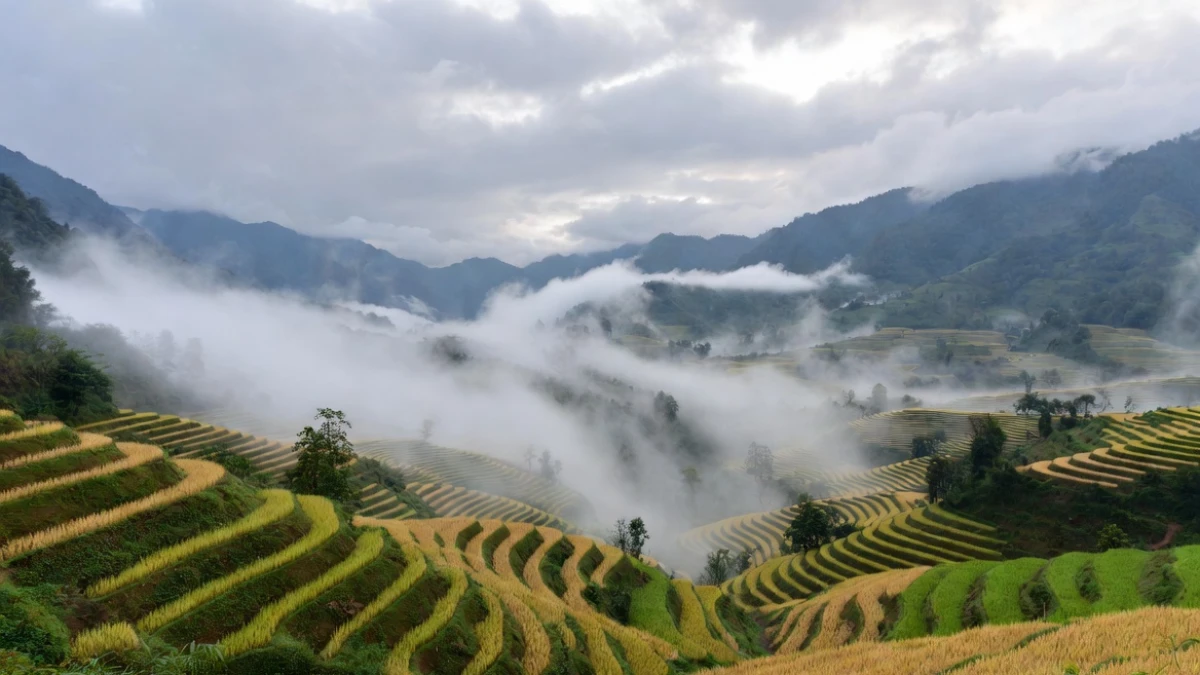
Ultimate Vietnam Educational Travel Checklist for Students In 2026
Planning a student trip to Vietnam? This checklist covers visas, timing, packing, health, etiquette and must-see learning sites for a smooth, inspiring program.
-
Prioritizing Health and Safety in Vietnam Educational Travel
Keep your group healthy and safe in Vietnam with practical tips on vaccinations, food and water, mosquitoes, traffic and service learning precautions.