What to Tell Parents: A Pre-Departure Guide for Overseas School Trips
What to Tell Parents: A Pre-Departure Guide for Overseas School Trips
Before an overseas trip, parents usually want two things: confidence that their child will be safe, and a sense of excitement about what they will learn. A well-planned parent evening delivers both, and it can turn nervous families into enthusiastic supporters of the program.
Use this school trip parent information guide to plan your briefing and the handout you send home afterwards. Each section covers a topic families commonly ask about, with suggestions for what to include.
1. Start With the Why
Open the evening with the purpose of the trip rather than the logistics. When parents understand what their children will learn and why the trip matters, they tend to feel much more relaxed about the practical details that follow.
In the opening part of your briefing, aim to:
- Share the learning goals and how the trip links to the curriculum.
- Show photos of the places and projects students will experience.
- Explain the skills students will build, such as independence, teamwork and empathy.
2. Safety and Supervision
Safety is the topic parents care about most, so it deserves a clear and calm explanation. Being specific about arrangements builds far more trust than general reassurance.
Explain the following:
- Staff-to-student ratios and who leads the group.
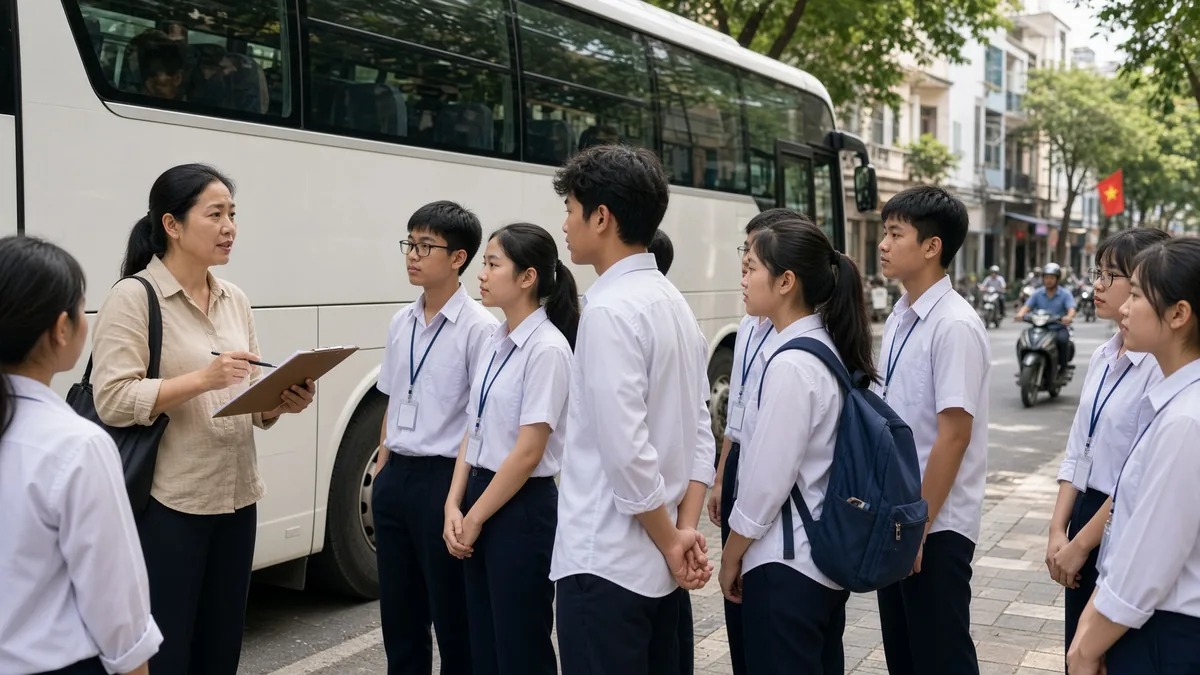
- The role of local guides, vetted hotels and checked transport.
- Rooming arrangements, with students in single-gender rooms and teachers nearby.
- First-aid trained guides and a 24/7 operations team.
- The plan if travel conditions change before or during the trip.
3. Communication During the Trip
Parents will naturally want to hear how the trip is going. Agreeing a simple, predictable communication plan in advance helps families feel connected without overwhelming the trip leaders.
Your plan should cover:
- How and when parents will receive updates, for example a daily message from the trip leader.
- Phone rules for students, including any device-free times during activities and meals.
- An emergency contact number for parents back home.
4. Health and Medical Information
Clear health guidance helps families prepare well and gives trip leaders the information they need to support every student.
Remind parents to:
- Book a travel clinic visit well before departure.
- Return medical forms, allergy details and dietary needs early.
- Pack prescription medicines in their original packaging, with extra supply.
- Confirm travel insurance cover for their child.
5. Documents Checklist
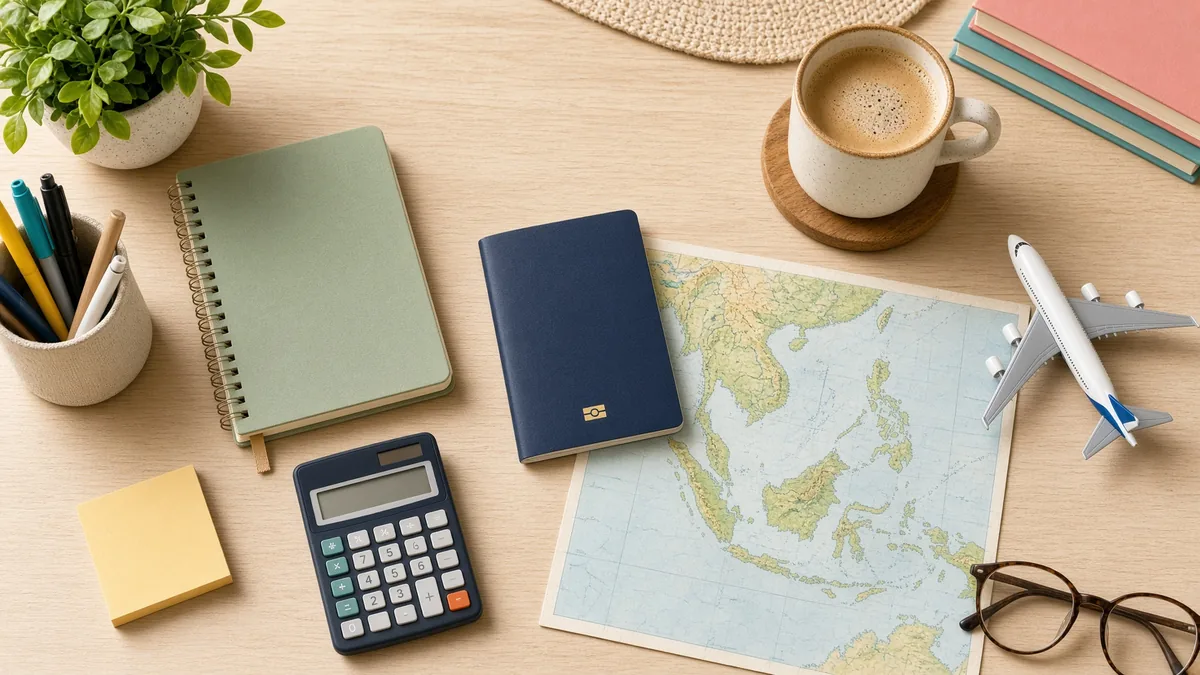
Missing documents are one of the most avoidable causes of stress before departure. A simple checklist in your handout helps families get everything ready in good time.
Each student will need:
- A passport valid for at least six months after arrival.
- A visa, if required for their nationality.
- Copies of passport and insurance documents.
- Signed consent and medical forms.
6. Packing and Money
Practical tips on packing and money help students travel light, stay comfortable and respect local customs.
6.1. Packing Tips
Share a suggested packing list so families know what to prioritise.
Key items include:
- Light, breathable clothing, plus layers for cooler evenings or air-conditioned buses.
- Modest outfits that cover shoulders and knees for temple visits.
- Comfortable closed shoes for project work and walking.
- A hat, sunscreen, insect repellent and a reusable water bottle.
- A small daypack for daily activities.
6.2. Money Matters
Let families know a suggested amount of spending money for snacks and souvenirs, and offer advice on cards versus cash and on keeping money secure. It also helps to remind them what is already included in the trip price, such as meals, entrance fees and activities, so they do not send more than is needed.
7. Cultural Respect
A short section on cultural respect helps students make a positive impression and get more out of every interaction with local people.
Encourage students to:
- Learn a few local words, such as “xin chào” (hello) in Vietnam.
- Ask before taking photos of people.
- Use both hands when giving or receiving something from an elder.
8. Frequently Asked Questions
8.1. When should we hold the parent information evening?
Two to three months before departure works well. It leaves enough time for medical forms, travel clinic visits and passport checks.
8.2. How will parents stay updated during the trip?
Agree a simple plan in advance, such as a daily message from the trip leader, plus an emergency contact number back home.
8.3. Should students bring phones?
Most schools allow phones with clear rules, such as device-free times during activities and meals. Share your rules with parents before departure.
8.4. What should students wear at temples?
Clothing that covers shoulders and knees. Light, breathable fabrics are best for the heat.
9. Make Your Parent Evening Easy
We provide pre-departure information and safety details for every AET program, ready to share with families.
Get in touch to plan your trip, or read our Vietnam educational travel checklist for students.
Take your learning beyond the classroom with a journey through Indochina! From Vietnam’s rich history to Cambodia’s majestic temples and Laos’ tranquil beauty, this is your chance to experience Southeast Asia like never before and create memories that will last a lifetime.