Healthcare Placements Abroad: How Observational Programs Work and Why They Matter
Healthcare Placements Abroad: How Observational Programs Work and Why They Matter
For medical, nursing and public health students, a healthcare placement abroad can change the way they see their future careers. Seeing care delivered where resources are limited builds empathy, adaptability and a much deeper understanding of how health systems really work.
At the same time, faculty rightly want to know how these placements are run and what makes a program ethical. This guide explains how observational placements work, what students learn and which questions to ask before you choose a provider.
1. What Is an Observational Healthcare Placement?
An observational placement allows students to shadow local health professionals and learn how care is organised and delivered. Students do not perform clinical procedures, deliver hands-on patient care or act beyond the scope of their training.
This is not a limitation to work around. It is the ethical and legal standard for international health placements, and it exists to protect patients, students and your institution. A well-structured observational placement still offers an enormous amount of learning, as the sections below show.
2. What Students Learn
Observing care in a different system gives students a fresh perspective on the one they are training to join. Many students say the experience changes how they think about access, equity and communication.
The main areas of learning include:
- Health systems: How care flows from national hospitals to district hospitals and village clinics.
- Resource constraints: How staff prioritise care when equipment, medicines and time are limited.
- Public health and prevention: Health promotion and outreach in rural communities.
- Cultural competence: How beliefs, language and family shape health decisions.
- Professional reflection: Processing what they witness through structured daily debriefs.
3. What a Placement Looks Like
Our two healthcare programs show how a placement builds step by step, moving from orientation to increasingly community-based settings.
3.1. Northern Vietnam: 21 Days
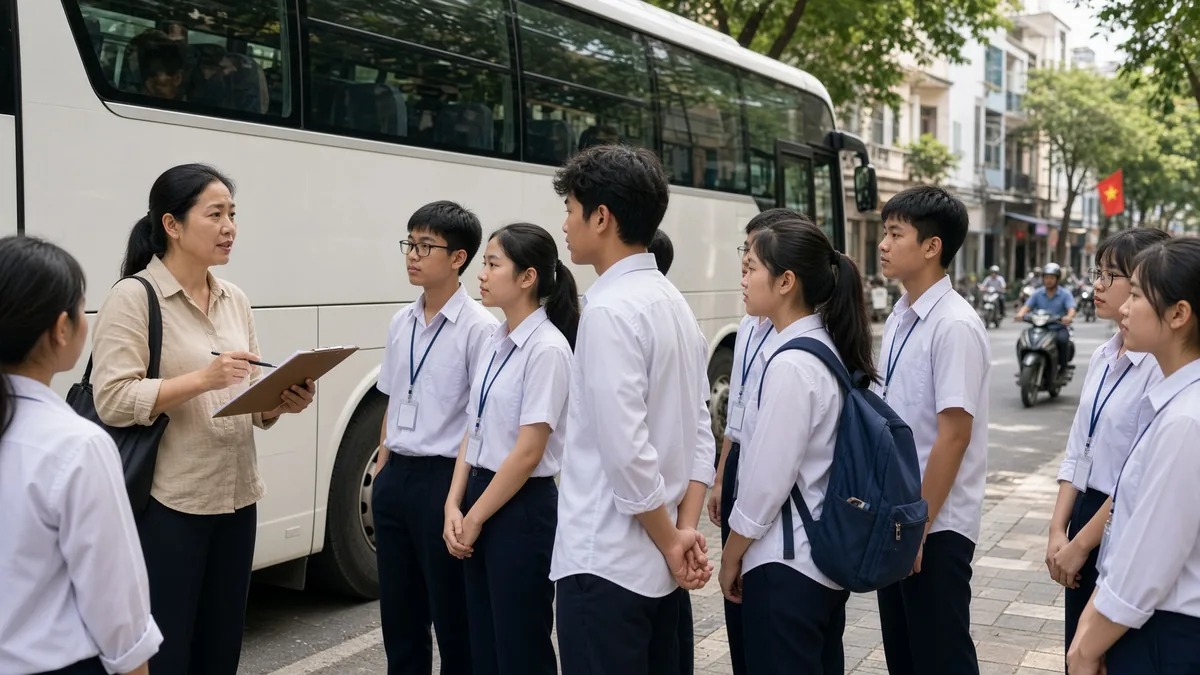
The Northern Vietnam program begins in Hanoi and moves into the mountain valley of Mai Chau, giving students a clear view of the full health system.
Over three weeks, students experience:
- An orientation workshop on how the Vietnamese health system is structured and funded.
- A visit to a major national hospital in Hanoi as a reference point.
- Placements at a district hospital and village clinics in Mai Chau, reached by bicycle.
- A second community placement to compare different settings and patient populations.
See the Northern Vietnam itinerary.
3.2. Cambodia: 14 Days
The Cambodia program focuses on community mobile clinics, where students see how care reaches rural villages.
Across two weeks, the program includes:
- A full orientation with our in-country partner and a visit to a children’s hospital in Siem Reap.
- Community mobile clinic placements alongside local health staff.
- A second placement in villages around Battambang, together with healthcare workshops.
See the Cambodia itinerary.
4. Questions to Ask Any Placement Provider
Choosing the right provider is the most important decision you will make. A good partner will welcome detailed questions and be able to answer them clearly and in writing.
Before you commit, ask:
- Are placements strictly observational, and is the scope documented in writing?
- Are there formal agreements with the partner facilities?
- Who supervises students each day, and how?
- Is daily reflection built into the program?
- What insurance and documentation does the provider need from your institution?
5. Preparing Students for the Experience
Good preparation helps students get the most from a placement and handle challenging moments with maturity. It is worth starting these conversations well before departure.
Make sure your preparation covers:
- Expectations: Explain the observational scope before students apply.
- Ethics: Patient privacy, consent and respectful behaviour, including no photographs of patients.
- Emotional readiness: Students may see difficult situations, and debriefs help them process what they observe.
- Health requirements: Encourage a travel clinic visit well before departure.
6. Frequently Asked Questions
6.1. Can students perform clinical procedures on placement?
No. Our placements are observational. Students shadow local staff and do not perform procedures or deliver hands-on patient care.
6.2. Who supervises healthcare students abroad?
Students are supervised by local health staff at partner facilities, supported by our in-country team and structured daily debriefs.
6.3. How long are the healthcare placements?
Our Cambodia program runs 14 days and our Northern Vietnam program runs 21 days, each with more than one placement setting.
6.4. Which students are healthcare placements for?
They suit medical, nursing, allied health and public health students. Tell us your discipline and level of study so we can confirm what is achievable.
7. Plan a Healthcare Program With AET
Requirements differ by discipline and level of study. Tell us who is travelling and what your accreditation body expects, and we will confirm what is achievable before you commit.
Learn more on our Healthcare Program page or contact our team.
Take your learning beyond the classroom with a journey through Indochina! From Vietnam’s rich history to Cambodia’s majestic temples and Laos’ tranquil beauty, this is your chance to experience Southeast Asia like never before and create memories that will last a lifetime.