Phong Nha-Ke Bang for Student Explorers: Caves, Jungle and Real-World Science
Phong Nha-Ke Bang for Student Explorers: Caves, Jungle and Real-World Science
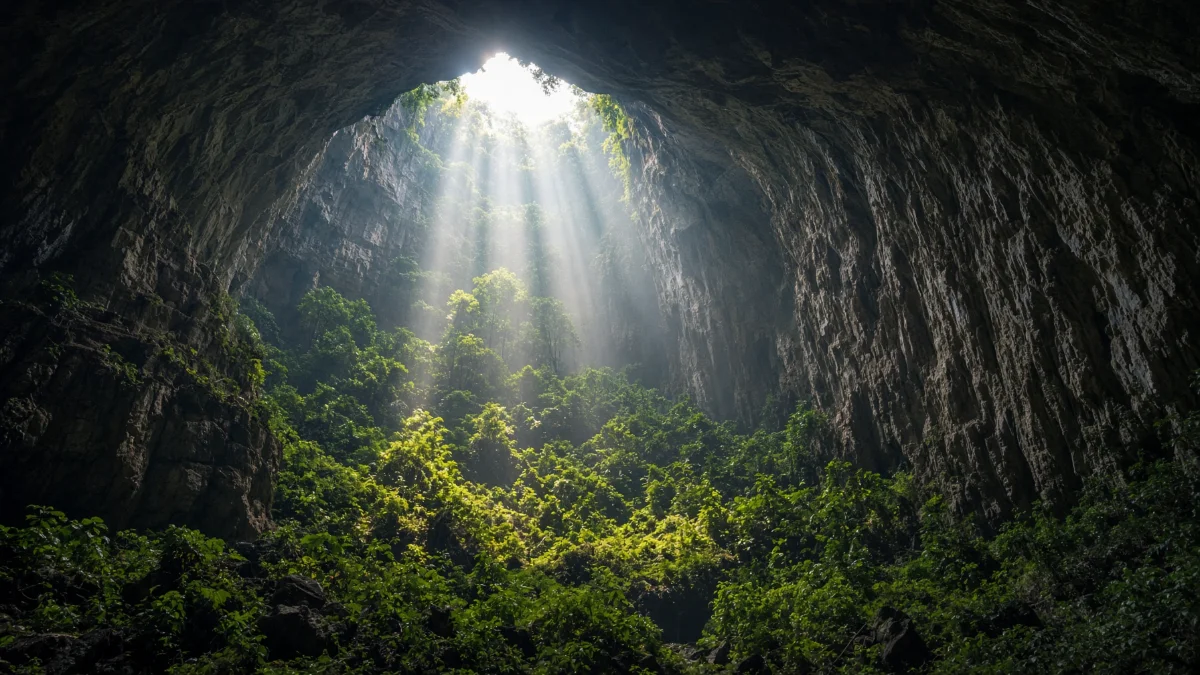
Deep in central Vietnam, beneath a canopy of ancient rainforest, lies one of the most spectacular cave landscapes on the planet. Phong Nha-Ke Bang National Park is home to vast caverns, underground rivers and jungle-covered limestone mountains. It is also home to Son Doong, widely recognized as the world’s largest known cave passage.
For curious students, Phong Nha is pure adventure with a scientific heart. In this guide, we explore what students learn in the park, the best activities for school groups and how to plan a safe, exciting visit.
1. Discovering Phong Nha-Ke Bang
Phong Nha-Ke Bang National Park sits near the border with Laos, around an hour’s drive from Dong Hoi, which has an airport and a railway station on the north-south line. UNESCO inscribed the park as a World Heritage Site in 2003 for its geology and extended the listing in 2015 to recognize its biodiversity.
- Ancient limestone: The park’s karst landscape is among the oldest and most complex in Asia, shaped over hundreds of millions of years.
- Hundreds of caves: Explorers have documented hundreds of caves and grottoes, and new discoveries are still being made.
- A recent discovery: Son Doong was found by a local man and later surveyed by a British and Vietnamese caving team in 2009, a reminder that our planet still has unexplored places.
2. What Students Learn
2.1. Geology and Earth Science
- Cave formation: Students see how slightly acidic water dissolves limestone over long periods to create passages, chambers and sinkholes.
- Speleothems: Stalactites, stalagmites, columns and flowstones illustrate mineral deposition and the incredible timescales of geology.
- Underground rivers: Boat trips into Phong Nha Cave follow a river deep into the mountain, a living example of the water cycle at work below ground.
2.2. Biology and Conservation
- Rainforest ecology: The park protects large areas of tropical forest with rich plant and animal life, including several rare primates such as langurs.
- Cave ecosystems: Bats, insects and specialized organisms adapted to darkness show how life finds a way in extreme environments.
- Protecting fragile places: Limited permits for the largest caves illustrate how conservation can limit numbers to protect delicate environments.
2.3. Tourism and Community Development
- From farming to tourism: Over the past two decades, many local families have moved into guiding, homestays and hospitality.
- Sustainable growth debates: Students can explore how to grow tourism without damaging caves, forests and village life.
- History: The region played an important role during the war, and parts of the Ho Chi Minh Trail ran nearby, adding depth to history lessons.
Pro tip: Give each student a “field scientist” notebook with prompts such as “estimate the height of this chamber”, “describe three formations” and “what would happen to this cave if tourism doubled?” It keeps minds engaged even in the most jaw-dropping spaces.
3. Adventures for Student Groups
- Phong Nha Cave by boat: A gentle river journey into an illuminated cave, ideal for all ages and abilities.
- Paradise Cave: A long, dry cave with a wooden boardwalk leading through enormous chambers filled with dramatic formations. Students are often stunned into silence.
- Dark Cave adventure: For older, confident students, this experience combines a zipline, swimming and a famous mud bath inside the cave.
- Jungle trekking: Guided half-day or full-day treks introduce rainforest ecology, river crossings and teamwork.
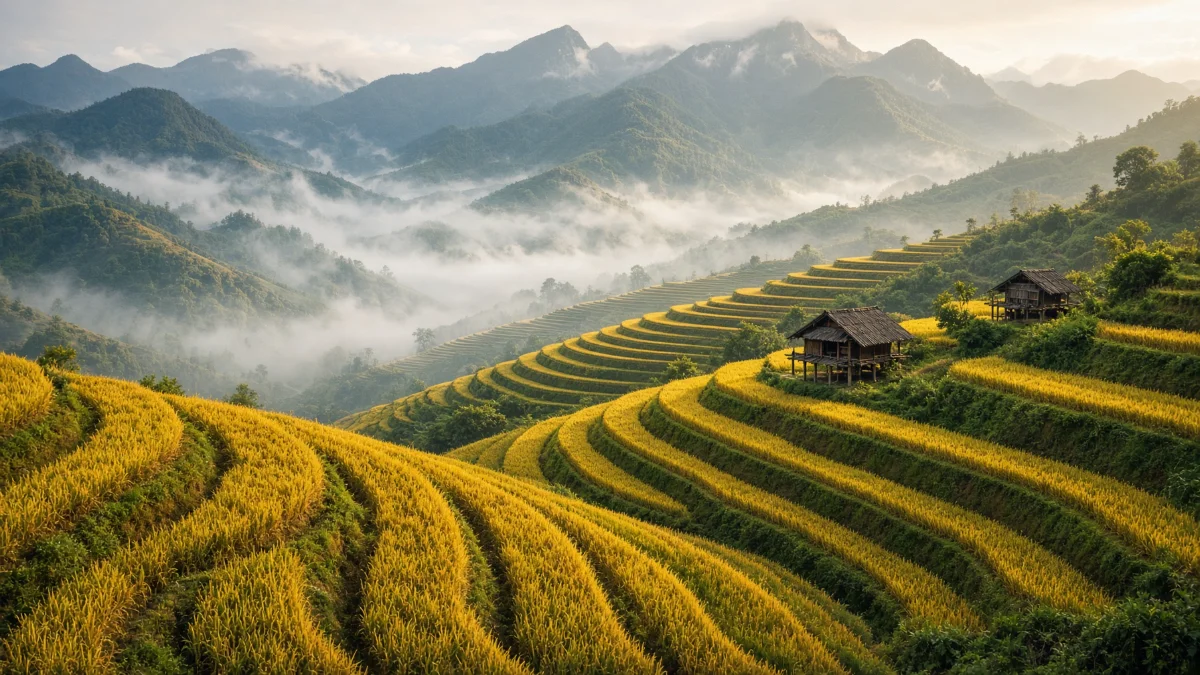
- Cycling the valleys: Quiet country roads past rice fields and karst mountains are perfect for relaxed group rides.
- Village homestays: Staying with local families gives students a real sense of rural life in central Vietnam.
- Expedition caving: Multi-day expeditions into caves such as Hang En are possible for well-prepared older groups through licensed operators, with strict fitness and safety requirements.
4. Curriculum Connections
- Geography: Karst landscapes, river systems and the relationship between climate and landforms.
- Biology: Adaptation, biodiversity hotspots and the impact of human activity on ecosystems.
- Physical education and outdoor education: Trekking, swimming and teamwork challenges build resilience and confidence.
- Economics: The costs and benefits of adventure tourism for rural communities.
- Personal growth: Facing new challenges in the outdoors builds courage, a natural fit with Week Without Walls programs.
5. When to Go
- February to April: Mild temperatures and lower rainfall make this a comfortable time for trekking and caving.
- May to August: Hot and sunny, perfect for river activities and swimming. Plan strenuous treks for early mornings.
- September to December: The rainy and flood season. Some caves, especially water caves, may close for safety, so itineraries need flexibility.
6. Safety Essentials
- Licensed guides only: Caves and jungle trails should only be explored with certified local guides and approved operators.
- Right equipment: Helmets, headlamps, life jackets and proper footwear are essential for adventure activities.
- Know your group: Share fitness levels, swimming ability and medical needs with your program team before the trip.
- Weather monitoring: Respect closures and changes due to heavy rain. Safety always comes first.
For risk planning templates, see our article on school trip risk assessments.
7. Conclusion: Adventure With a Purpose
Phong Nha-Ke Bang turns textbook geology and biology into a breathtaking, hands-on adventure. Students leave with muddy shoes, big smiles and a lasting sense of wonder at how vast and mysterious our planet still is.
Asia Education Travel offers Phong Nha as part of our central Vietnam itineraries, carefully matched to age and ability. Contact us to design a cave and jungle adventure your students will talk about for years.
Take your learning beyond the classroom with a journey through Indochina! From Vietnam’s rich history to Cambodia’s majestic temples and Laos’ tranquil beauty, this is your chance to experience Southeast Asia like never before and create memories that will last a lifetime.