Sapa for Student Groups: Rice Terraces, Ethnic Cultures and Sustainable Farming Lessons
Sapa for Student Groups: Rice Terraces, Ethnic Cultures and Sustainable Farming Lessons
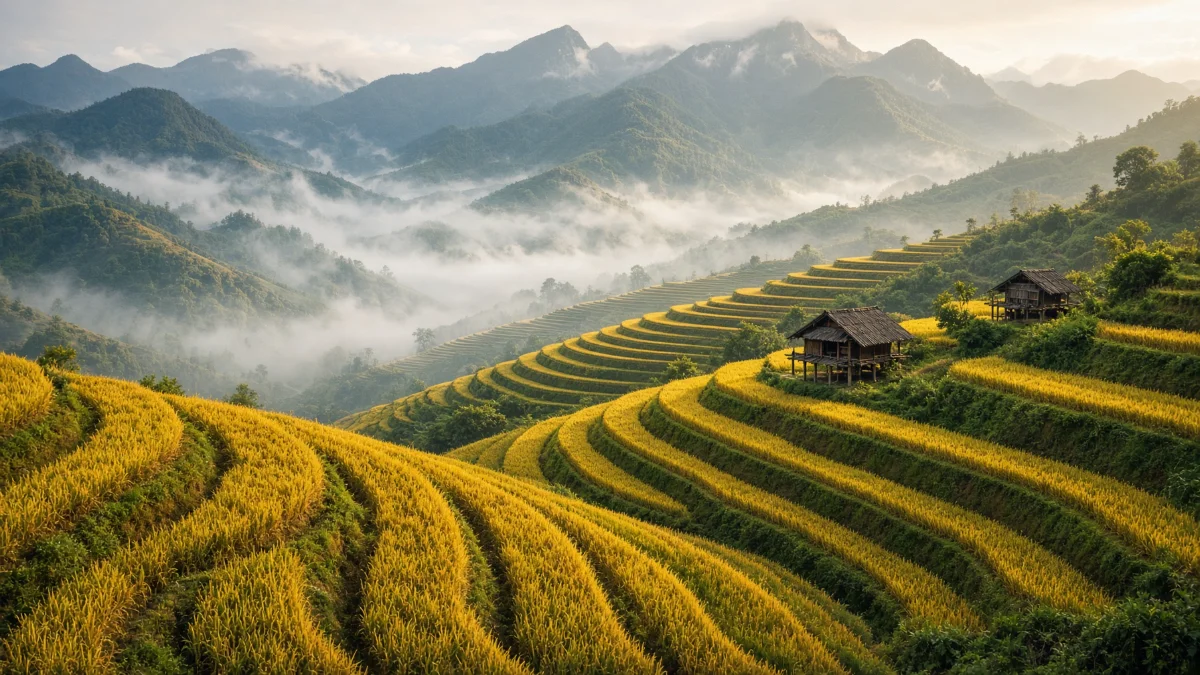
Picture terraces of rice curving around the mountains like giant green and gold staircases, mist drifting through the valleys and villages where traditions have been passed down for generations. That is Sapa, in Vietnam’s far northwest, and it is one of the most rewarding places in Southeast Asia for student groups.
Beyond the views, Sapa offers powerful lessons in sustainable agriculture, cultural diversity, mountain ecology and responsible tourism. In this guide, we explore what students learn in Sapa, the experiences that make it special, and how to plan a respectful, well-paced program.
1. Getting to Know Sapa
Sapa is a mountain town in Lao Cai Province, sitting at around 1,500 meters above sea level in the Hoang Lien Son range. Nearby Fansipan, at over 3,100 meters, is the highest peak in Indochina. The surrounding Muong Hoa Valley is famous for its terraced rice fields and small villages linked by walking trails.
- Getting there: Most groups travel from Hanoi by expressway coach in around five to six hours, or by overnight train to Lao Cai followed by a short transfer up the mountain.
- Climate: Sapa is noticeably cooler than the lowlands. Evenings can be chilly year-round, and winter (December to February) can bring near-freezing temperatures.
- Who lives there: The region is home to several ethnic groups, including the Hmong, Dao, Tay and Giay peoples, each with distinct languages, clothing and customs.
2. What Students Learn in Sapa
2.1. Sustainable Agriculture and Food Systems
- Terrace farming: Terraces turn steep slopes into productive land, slow soil erosion and spread water from field to field. Students see an ingenious, centuries-old system of engineering in action.
- The rice cycle: Depending on the season, groups may see fields being flooded, seedlings transplanted or golden rice harvested by hand, a direct link to lessons on food security.
- Climate and farming: Conversations with farmers about changing rainfall, cold snaps and landslides make climate change a local, human story rather than a distant statistic.
2.2. Cultural Diversity and Anthropology
- Living traditions: Hmong women are known for hemp weaving and indigo-dyed batik, while Red Dao communities are known for embroidery and herbal medicine traditions.
- Identity and change: Students can explore how tourism, smartphones and new roads are changing village life, and how communities choose what to keep and what to adapt.
- Language and communication: Learning a few greetings and listening to local guides, many of whom are from the villages themselves, builds empathy and cross-cultural confidence.
2.3. Mountain Ecology and Geography
- Altitude zones: Climbing from valley floors to forested ridges shows how temperature, vegetation and land use change with elevation.
- Protected areas: Hoang Lien National Park protects forests rich in plant and animal life, a great springboard for discussions on biodiversity.
Pro tip: Ask students to photograph the same terrace view at different times of day and compare light, weather and activity. It is a simple way to build observation skills and creates beautiful material for post-trip presentations.
3. Signature Experiences for Student Groups
- Village trekking: Guided walks through villages such as Lao Chai, Ta Van and Ta Phin combine fresh air, stunning scenery and real encounters with daily life. Routes can be adapted for different fitness levels.
- Homestay nights: Sleeping in a family home, sharing meals and helping with simple chores is often the highlight of the trip and gives students a deep sense of connection.
- Craft workshops: Hands-on sessions in batik, indigo dyeing or embroidery teach patience, skill and the stories behind traditional patterns.
- Farm days: Depending on the season, students can join planting, weeding or harvest activities alongside local families.
- Market visits: Local markets are colorful lessons in rural economics, trade and food culture.
- Fansipan excursion: A cable car ride or guided trek toward the summit offers a dramatic perspective on the whole mountain range.
4. When to Go: Matching the Season to Your Goals
- March to May: Mild temperatures, blooming flowers and the start of the planting season. Great for trekking and farm activities.
- Late May to June: Terraces filled with water reflect the sky, a photographer’s dream and a good time to see transplanting.
- September to early October: Golden harvest season and some of the most beautiful scenery of the year. Very popular, so book early.
- December to February: Cold and sometimes foggy, but quieter, with a cozy atmosphere and occasional frost on the peaks.
Summer months (July and August) are warm and wet. Afternoon rain is common and trails can be slippery, so flexible plans and good footwear are essential.
5. Responsible Travel in Mountain Communities
Sapa’s communities warmly welcome visitors, and responsible behavior keeps that relationship positive. We brief every group on these simple habits.
- Ask before photographing: Always ask permission before taking photos of people, especially children and elders.
- Do not hand out sweets or money: Giving to children can encourage them to miss school. If your group wants to contribute, we can connect you with community projects or schools in a structured way.
- Buy directly and fairly: Purchasing crafts directly from makers or cooperatives helps income stay in the community.
- Dress for respect and weather: Modest clothing, sturdy shoes and warm layers are a must.
- Stick to trails: Walking along terrace edges can damage the walls that farmers work hard to maintain.
If your program includes community work, read our guide to ethical service learning trips before you finalize the plan.
6. Practical Tips for a Smooth Program
- Pack layers: Bring a warm fleece, a rain jacket and comfortable walking shoes, even in spring and autumn.
- Plan for altitude and terrain: Trails can be steep and muddy. Share fitness expectations with families before the trip and offer easier route options.
- Allow travel time: Mountain roads take time. Avoid scheduling demanding activities on arrival day.
- Build in reflection: Evenings in a homestay are ideal for journaling and group discussion.
7. Conclusion: Lessons Carved Into the Mountains
Sapa teaches students that landscapes are shaped by people as much as by nature. They return home with a deeper understanding of where food comes from, how cultures adapt and why sustainable choices matter, along with memories of mountain sunrises they will never forget.
Asia Education Travel includes Sapa in many of our Vietnam programs, especially Week Without Walls and Service Learning journeys. Get in touch to design a mountain adventure that matches your students’ age, interests and curriculum.
Take your learning beyond the classroom with a journey through Indochina! From Vietnam’s rich history to Cambodia’s majestic temples and Laos’ tranquil beauty, this is your chance to experience Southeast Asia like never before and create memories that will last a lifetime.