Ha Long Bay Field Trip: Teaching Karst Geology and Marine Conservation on the Water
Ha Long Bay Field Trip: Teaching Karst Geology and Marine Conservation on the Water
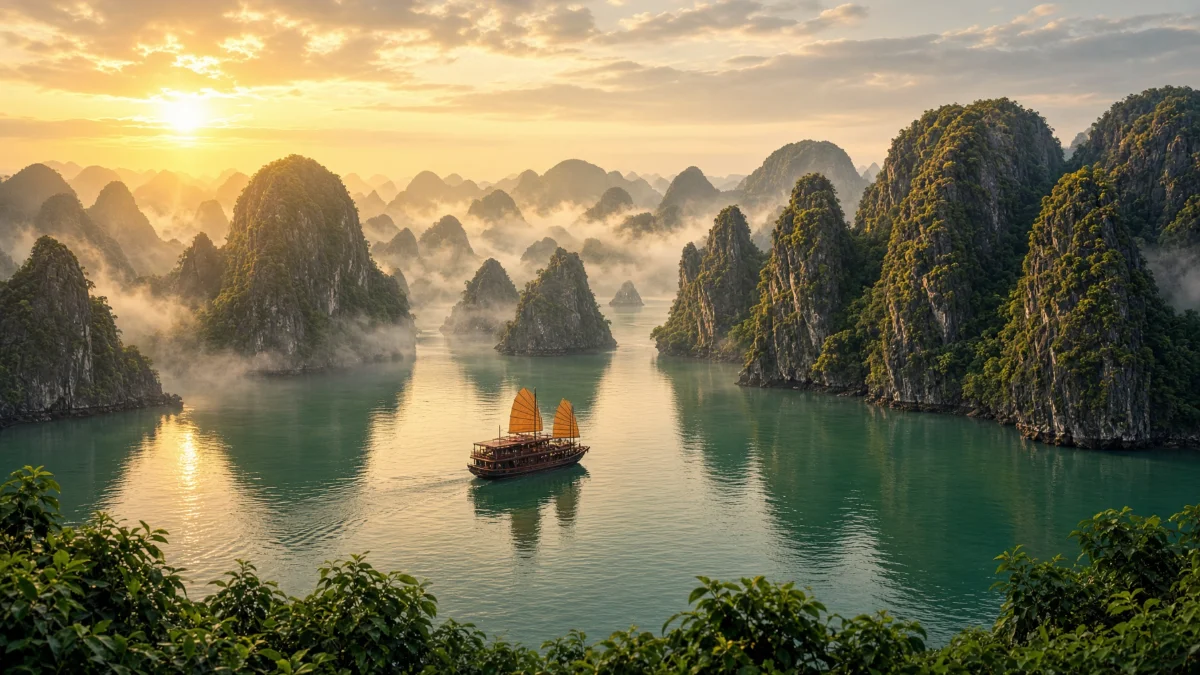
Few places on Earth make geology look this good. Ha Long Bay’s emerald water is scattered with around 1,600 limestone islands and islets, each one a towering chapter in a story that took millions of years to write. For student groups, it is far more than a postcard view. It is a floating laboratory where earth science, marine biology, economics and environmental ethics all meet on the deck of a boat.
In this guide, we share how Asia Education Travel turns a Ha Long Bay visit into a genuine field trip: what students learn, which activities work best, how to tie the experience to your curriculum, and the practical details that keep the day smooth, safe and inspiring.
1. Why Ha Long Bay Works as an Outdoor Classroom
Ha Long Bay sits in Quang Ninh Province in northeast Vietnam, about three hours by road from Hanoi. UNESCO first inscribed it as a World Heritage Site in 1994 for its outstanding natural beauty, added recognition for its geological value in 2000, and in 2023 extended the site to include the neighboring Cat Ba Archipelago. That combination of beauty, science and active conservation makes it a rare all-in-one learning destination.
- Visible processes: Students do not need to imagine erosion, sea-level change or cave formation. They can see notches carved by waves at the base of the cliffs, drowned valleys between islands and caves hollowed out by water.
- Living communities: Fishing, aquaculture and tourism all depend on the bay, giving students a real-world case study in how people and ecosystems shape each other.
- Active conservation: From waste management to protecting rare species on Cat Ba Island, the bay shows conservation as an ongoing, sometimes difficult, human effort.
2. What Students Learn: Curriculum Connections
The real magic happens when the itinerary is mapped to learning goals before the group ever boards the boat. Here are the strongest subject links we see.
2.1. Earth Science and Geography
- Karst landscapes: Limestone dissolves slowly in slightly acidic rainwater. Over millions of years, this process sculpted the bay’s pinnacles, arches and caves, which is a perfect introduction to chemical weathering.
- Sea-level change: Many of the islands were once hills on a dry plain. Rising seas after the last Ice Age flooded the valleys between them, a powerful link to climate history.
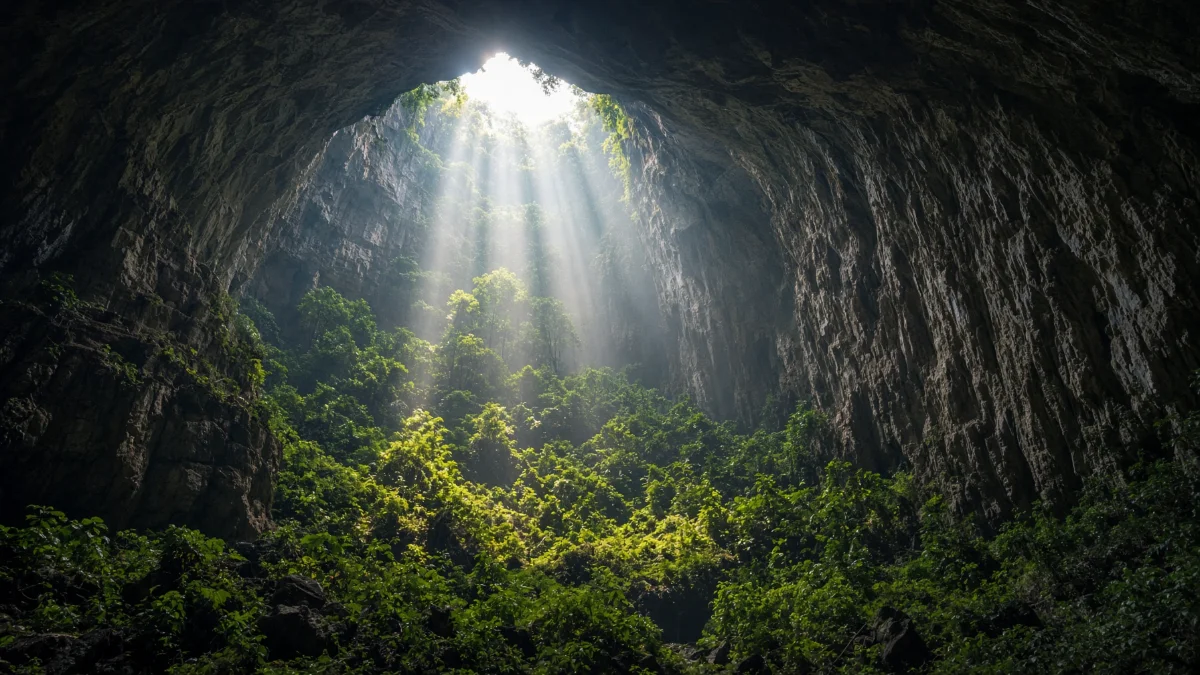
- Cave systems: Caves such as Sung Sot (Surprise Cave) let students observe stalactites, stalagmites and flowstone up close and discuss how slowly they grow.
2.2. Marine Biology and Ecology
- Coastal habitats: Coral patches, mangroves and seagrass areas support fish, crustaceans and mollusks, offering clear examples of food webs and habitat connectivity.
- Endangered species: Cat Ba National Park is home to the critically endangered Cat Ba langur, found nowhere else in the world, a memorable entry point to biodiversity and extinction risk.
2.3. Economics, Tourism and Sustainability
- Tourism economics: Millions of visitors bring income and jobs, but also pressure on water quality and waste systems. Students can weigh the benefits and costs with real data.
- Aquaculture and livelihoods: Fish and shellfish farming support many families, and recent efforts to replace polystyrene floats with more durable materials show how policy, business and environment intersect.
- Heritage management: How do you protect a World Heritage Site while welcoming visitors? This question makes an excellent debate or essay prompt.
Pro tip: Give each student group a different “lens” before departure, such as geologist, marine biologist, tourism planner or local fisher. Ask them to observe the same day through that lens, then compare findings in an evening debrief.
3. Hands-On Activities That Bring the Bay to Life
The best Ha Long Bay programs mix wonder with structured observation. These activities consistently get students talking, sketching and asking great questions.
- Kayaking through lagoons: Paddling into sheltered lagoons and under low arches gives students a close view of wave-cut notches and tidal zones. It is active, memorable and ideal for team building.
- Cave field study: Inside a cave, students can sketch formations, estimate growth rates and discuss why caves are fragile environments that should never be touched.
- Water quality sampling: With simple test kits, groups can measure temperature, pH and clarity at different points, then discuss what affects the results.
- Cat Ba National Park hike: A guided forest walk introduces tropical limestone forest ecology, conservation work and the challenges of protecting rare primates.
- Conversations with locals: Meeting people who work in fishing, pearl farming or tourism adds human stories to the science and builds cross-cultural communication skills.
- Sunrise reflection: Overnight cruises allow a quiet early-morning session on deck for journaling, sketching or photography, a gentle way to process the experience.
4. Day Trip or Overnight Cruise?
Both options can work brilliantly. The right choice depends on your learning goals, budget and the rest of your itinerary.
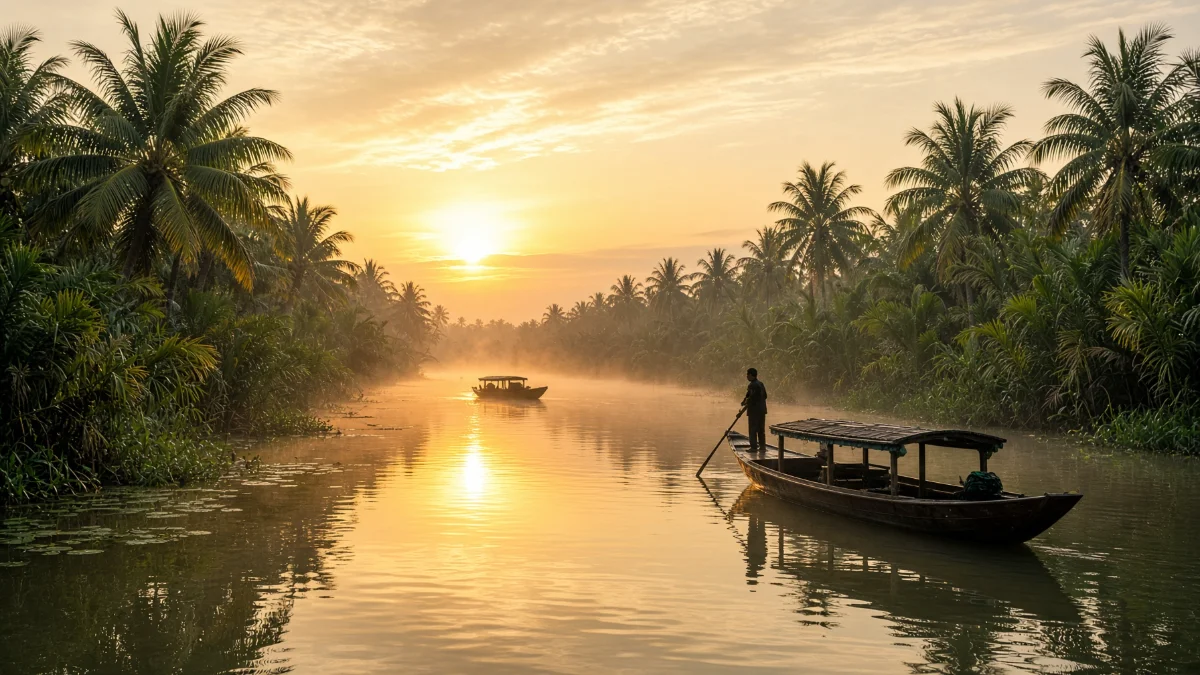
- Day trip: Ideal for shorter programs or younger students. Groups usually visit one cave, enjoy kayaking or a bamboo boat ride and return to the mainland by evening.
- Overnight cruise: Best for deeper learning. Students explore quieter areas such as Lan Ha Bay, enjoy sunset and sunrise on the water, and have time for evening lectures or reflection circles on board.
- Cat Ba Island base: Staying on Cat Ba gives easy access to the national park, local communities and kayaking routes, which suits science-focused or service learning programs.
Pro tip: For groups of 15 or more, a private boat makes a huge difference. You control the pace, the onboard spaces become your classroom, and debriefs can happen without competing with other travelers.
5. Practical Planning Tips for School Groups
5.1. Best Time to Visit
Ha Long Bay follows northern Vietnam’s seasonal pattern. Spring (March to May) and autumn (September to November) usually bring comfortable temperatures and good visibility. Winter can be cool and misty, which is atmospheric but less ideal for swimming. Summer is hot and humid, and the typhoon season (roughly June to October) can cause boat departures to be postponed by local authorities. For a full regional breakdown, see our guide to the best time to visit Vietnam.
5.2. Safety on the Water
- Licensed operators only: Choose boats with proper registration, life jackets for every passenger and trained crew.
- Kayak supervision: Keep kayaking groups small, with guides in the water and clear buddy pairs.
- Weather flexibility: Build a backup day or an alternative land-based activity in case the harbor authority suspends sailings.
- Sun and hydration: Hats, sunscreen and refillable water bottles are essential, even on cloudy days.
5.3. Responsible Travel Habits
- Leave no trace: Bring reusable bottles and bags and take all rubbish back to shore.
- Respect cave environments: Never touch formations, as skin oils can stop their growth.
- Support local livelihoods: Buy snacks or crafts from local vendors and choose operators that employ local staff.
6. Conclusion: Where Science Meets Wonder
Ha Long Bay has a rare ability to make students fall silent with awe and then fill the air with questions. With a thoughtful itinerary, it becomes a field trip that connects earth science, ecology, economics and global citizenship in a single unforgettable journey.
Asia Education Travel designs Ha Long Bay and Cat Ba programs as part of our Vietnam itineraries, from Week Without Walls adventures to faculty-led programs. Talk to our team and we will help you build a bay experience that fits your curriculum perfectly.
Take your learning beyond the classroom with a journey through Indochina! From Vietnam’s rich history to Cambodia’s majestic temples and Laos’ tranquil beauty, this is your chance to experience Southeast Asia like never before and create memories that will last a lifetime.