How to Plan a Faculty-Led Program in Vietnam: A Step-by-Step Timeline
How to Plan a Faculty-Led Program in Vietnam: A Step-by-Step Timeline
Thinking about faculty-led study abroad in Vietnam? It is an excellent choice. Vietnam is a living case study in history, economics, public health and rapid development, and it is a welcoming and well-connected country for university groups to travel through.
The secret to a smooth program is starting early and working through the planning in a logical order. This timeline sets out what to do and when, so that your team can spend less time on logistics and more time on teaching.
1. 12 to 18 Months Before: Define the Academic Core
Every successful faculty-led program starts with clear academic foundations. Decisions made at this stage shape everything that follows, from the itinerary to the student recruitment message.
At this point, focus on four tasks:
- Set learning outcomes: Decide what students should know, be able to do or understand by the end of the program.
- Choose a theme: For example, the Vietnam War and its legacy, emerging markets, or global health.
- Decide on credit: Agree whether the program carries course credit and how it will be assessed.
- Talk to a specialist: Share your outcomes with a local partner who can map site visits and speakers against them.
2. 9 to 12 Months Before: Design and Approve
With the academic core in place, the next step is turning it into a draft itinerary and getting it approved within your institution. This is often the stage that takes longest, so it pays to start promptly.
2.1. Drafting the Itinerary
A strong itinerary balances site visits, guest lectures, fieldwork and rest. Vietnam’s long, narrow shape means travel planning matters: domestic flights between Hanoi, central Vietnam and Ho Chi Minh City save whole days compared with long road transfers, giving you more time for learning on the ground.
2.2. Budget and Institutional Sign-Off
Once the outline is agreed, you will need a clear budget and formal approval before you can open applications.
Typical steps at this stage include:
- Requesting a detailed proposal so you can set an accurate student price.
- Completing your institution’s risk assessment.
- Confirming insurance arrangements and study-abroad office sign-off.
3. 6 to 9 Months Before: Recruit Students
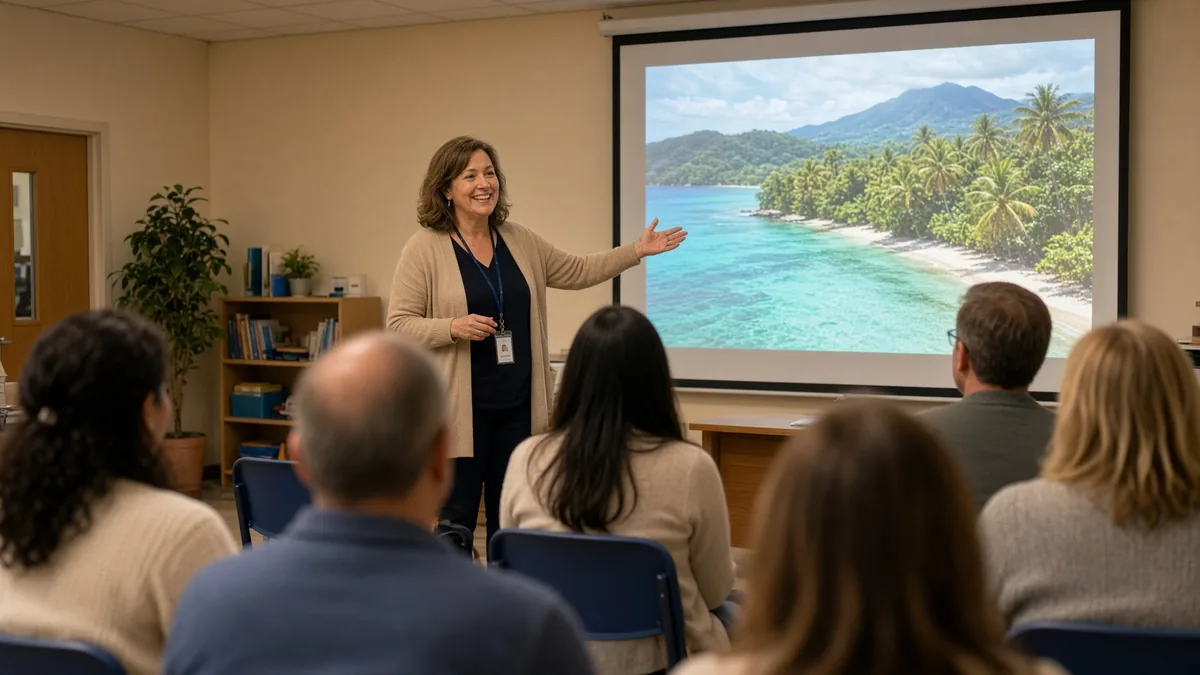
Recruitment works best when students can picture both the learning and the adventure. A clear, honest information campaign also helps you attract students who are well suited to the program.
During this phase, consider:
- Running information sessions with photos, the itinerary and clear costs.
- Sharing application deadlines and any prerequisites well in advance.
- Explaining the academic expectations alongside the travel experience.
4. 3 to 6 Months Before: Logistics and Preparation
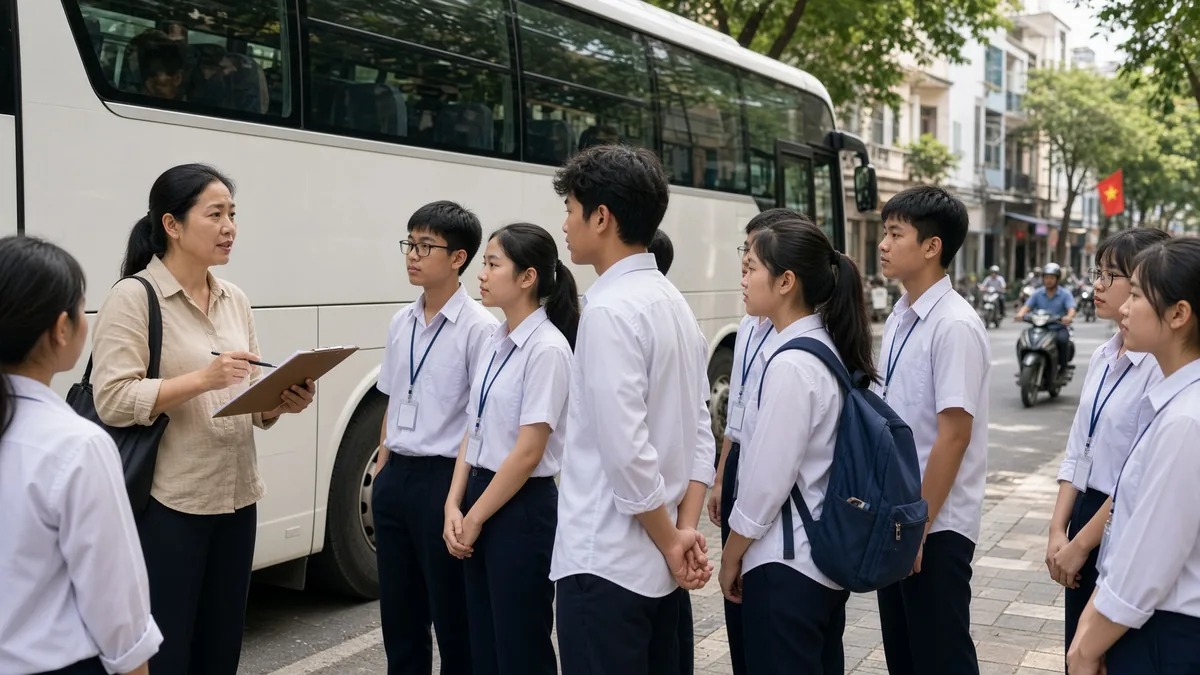
Once numbers are confirmed, attention shifts to practical arrangements. Starting these early reduces stress and gives students time to prepare properly.
The main tasks are:
- Flights: Book international flights once numbers are confirmed to secure group fares.
- Visas: Check entry rules for every passport in the group, as requirements vary by nationality.
- Health: Encourage students to visit a travel clinic well before departure.
- Readings: Assign pre-departure readings and set the first assignment.
5. The Final Month: Pre-Departure Briefing
A thorough briefing helps students arrive confident, respectful and ready to learn. It is also a good opportunity to answer the last questions from students and families.
Your briefing should cover:
- Cultural etiquette, such as covering shoulders and knees at temples and asking before taking photos.
- Emergency contacts, safety rules and the group communication plan.
- A packing list and practical money tips.
- Guidance on reflection journals, so that learning starts on day one.
6. On the Ground: Make Every Day Count
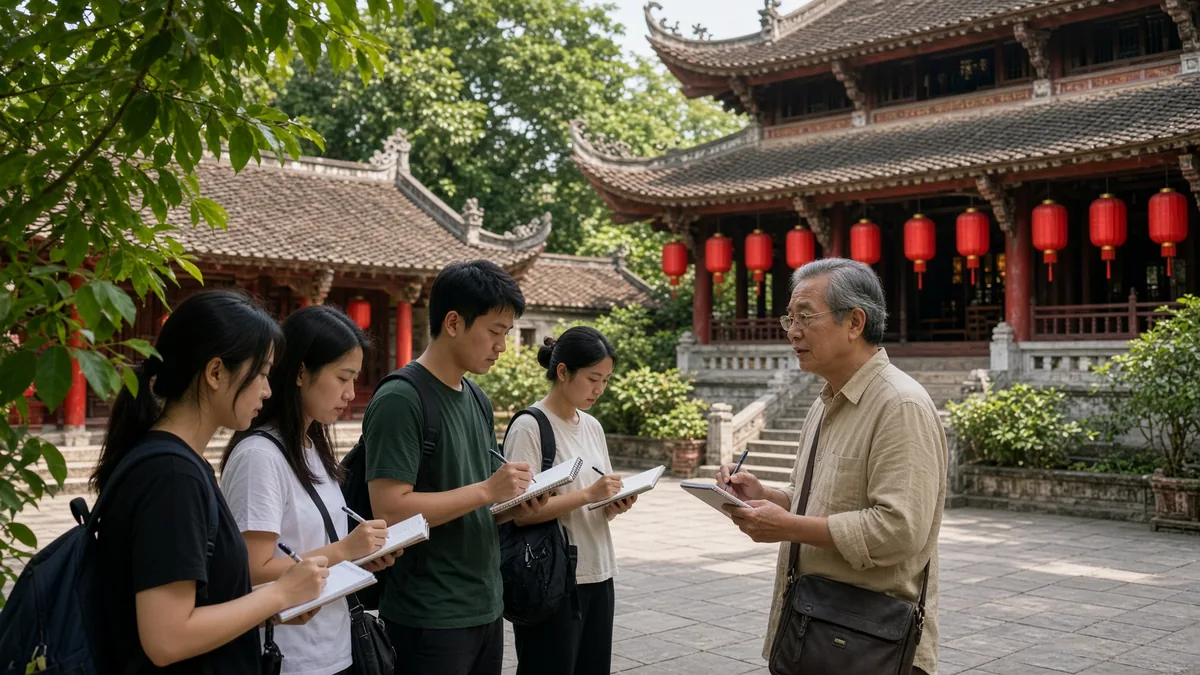
A strong faculty-led program weaves together different perspectives on the same theme. Our Vietnam 8-Day History Tour shows how this can work in practice.
Across eight days, students visit:
- The Vietnam Military History Museum and Hoa Lo Prison in Hanoi.
- Quang Tri, the DMZ and Project RENEW’s landmine clearance work.
- Hue’s Imperial Citadel and Thien Mu Pagoda.
- The Cu Chi Tunnels, followed by a meeting with a veteran in the Mekong Delta.
Short daily debriefs help students connect what they saw to your course content and keep reflection journals focused.
7. After You Return: Close the Loop
The learning does not end when the group lands back home. A thoughtful wrap-up turns individual experiences into lasting outcomes and helps you improve the program for next year.
Consider including:
- Final reflections, presentations or research papers.
- A student showcase to help recruit next year’s cohort.
- A review meeting with your travel partner to refine the itinerary.
8. Frequently Asked Questions
8.1. How far in advance should we plan a faculty-led program?
Start 12 to 18 months ahead. This allows enough time for learning outcomes, approvals, student recruitment and booking international flights at good fares.
8.2. How long are faculty-led programs in Vietnam?
Most run between eight days and three weeks. Shorter programs focus on one theme, while longer ones allow deeper fieldwork across several regions.
8.3. Can site visits be tailored to our course?
Yes. Share your learning outcomes and we will map visits, speakers and fieldwork directly against them.
8.4. What support is available on the ground?
Local guides, full logistics and a 24/7 operations team, so that faculty can focus on teaching and student wellbeing.
9. Let Us Handle the Logistics
You bring the course, and we bring the access, the speakers and the on-the-ground support. Together we can build a program that your students and colleagues will value for years.
Explore our Faculty-Led programs or send us your learning outcomes and we will draft an itinerary around them.
Take your learning beyond the classroom with a journey through Indochina! From Vietnam’s rich history to Cambodia’s majestic temples and Laos’ tranquil beauty, this is your chance to experience Southeast Asia like never before and create memories that will last a lifetime.