Mekong Delta Homestays: What Students Learn About River Life, Ecology and Climate Resilience
Mekong Delta Homestays: What Students Learn About River Life, Ecology and Climate Resilience
Life in the Mekong Delta moves at the pace of the river. Boats piled high with fruit drift through floating markets, coconut palms lean over quiet canals and families welcome guests with home-cooked meals in houses just steps from the water. For students, a homestay here is one of the most authentic and eye-opening experiences in all of Vietnam.
The delta is also on the front line of some of the biggest environmental questions of our time, from rising seas to changing rivers. In this guide, we look at what students learn on a Mekong Delta homestay program, the activities that make it memorable and how to plan it well.
1. Why the Mekong Delta Matters
The Mekong River flows through six countries before it fans out into a vast network of channels in southern Vietnam and reaches the sea. Its delta is often called Vietnam’s rice bowl, producing more than half of the country’s rice along with huge quantities of fruit and seafood.
- Easy access: Popular areas such as Ben Tre, Vinh Long and Can Tho are around two to four hours by road from Ho Chi Minh City, making the delta an easy addition to a southern Vietnam itinerary.
- Water-based life: Rivers and canals are roads, markets, farms and playgrounds all at once, which gives students a completely different perspective on how communities can be organized.
- A region under pressure: Saltwater intrusion, sinking land and changes in river flow make the delta one of the clearest real-world case studies in climate adaptation.
2. What Students Learn on a Delta Homestay
2.1. Ecology and River Systems
- How deltas form: Students see how sediment carried downstream builds fertile land, and discuss what happens when less sediment arrives.
- Wetland habitats: Mangroves, flooded forests and bird sanctuaries such as Tra Su in An Giang Province show the richness of wetland ecosystems.
- Water quality: Simple observations or test kits open conversations about farming runoff, household waste and how communities manage clean water.
2.2. Climate Change and Resilience
- Saltwater intrusion: In the dry season, seawater can push far inland, damaging crops and freshwater supplies. Farmers share how they adapt, from switching crops to storing rainwater.
- Adaptive farming: Some families combine rice with shrimp farming or plant salt-tolerant varieties, practical examples of innovation under pressure.
- Global connections: Upstream dams, groundwater use and global sea-level rise all affect the delta, showing students that local problems often have international causes.
2.3. Economics and Entrepreneurship
- Floating markets: At markets such as Cai Rang in Can Tho, wholesalers hang samples of their produce from tall poles so buyers can spot what they sell from a distance. It is supply and demand in its most vivid form.
- Cottage industries: Workshops making coconut candy, rice paper and handicrafts show small family businesses, value-added products and local supply chains.
- Tourism and income: Homestays give students a direct view of how community-based tourism supports rural families.
Pro tip: Have students interview their host family (with a guide translating) about how life has changed over the past 20 years. These conversations often become the most powerful part of their final presentations.
3. Signature Activities for Student Groups
- Sunrise floating market trip: An early boat ride to a floating market, followed by breakfast on the water, is unforgettable and full of learning moments.
- Cycling through villages: Quiet lanes between orchards and rice fields are perfect for gentle group cycling and observation stops.
- Cooking with hosts: Making spring rolls or banh xeo (crispy pancakes) with a host family links food, culture and conversation.
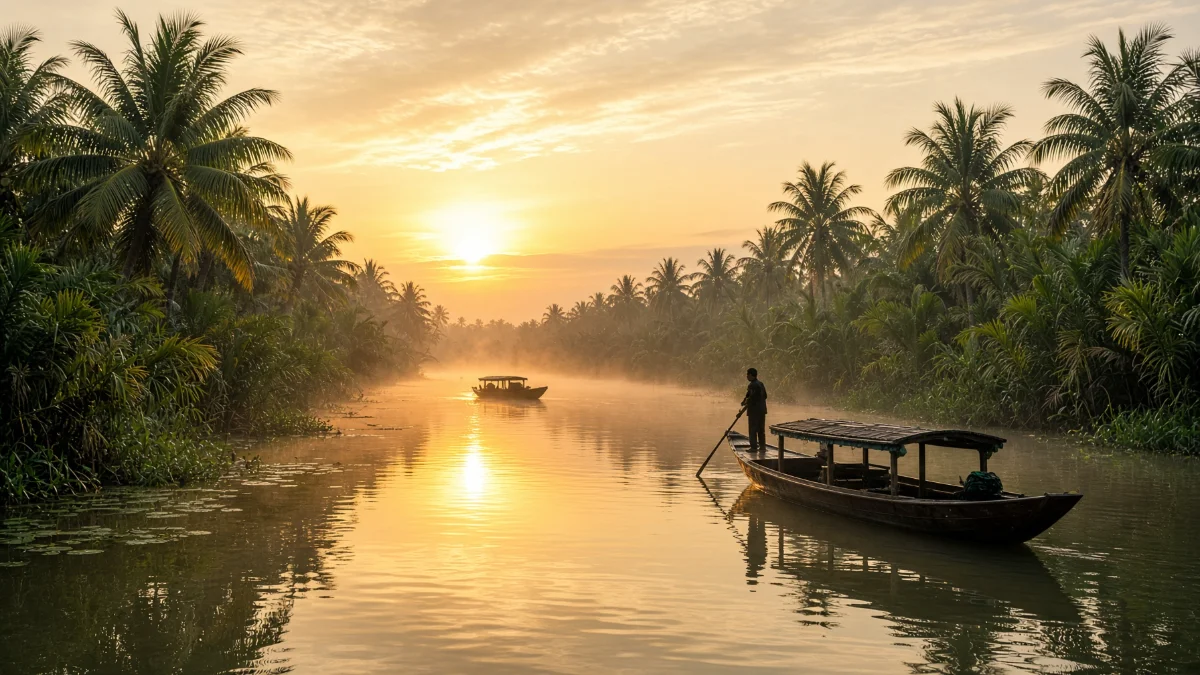
- Sampan rides through small canals: Gliding under coconut palms in small rowing boats is calm, beautiful and a great time for reflection.
- Farm and orchard visits: Students can learn about fruit growing, rice cultivation or aquaculture directly from farmers.
- Environmental projects: Where appropriate and community-led, groups can support mangrove planting or local environmental education activities.
4. What a Homestay Is Really Like
Homestays in the delta range from simple family homes to purpose-built guesthouses run by local families. Preparing students for what to expect helps everyone settle in quickly and enjoy the experience.
- Accommodation: Expect shared rooms, mosquito nets, fans or air conditioning depending on the property, and Western-style bathrooms in most homestays we use.
- Meals: Dinners are usually family-style feasts with fish, vegetables, soup and rice. Dietary needs can be accommodated with advance notice.
- Daily rhythm: Life starts early and evenings are relaxed, often with conversation, games or traditional music.
- Group supervision: We place students in groups with clear buddy systems, and chaperones stay nearby with guides on call.
5. Best Time to Visit
- December to April: The dry season brings sunny days and easy travel, ideal for cycling and outdoor learning.
- May to November: The wet season brings short afternoon downpours and very green landscapes. From around September to November, the “flood season” raises water levels, which is fascinating for studying river dynamics.
The dry season is also when saltwater intrusion is most noticeable, so it can be the best time for climate-focused programs. For more seasonal advice, see our guide to the best time to visit Vietnam.
6. Practical and Safety Tips
- Water safety first: Life jackets on all boats, no swimming without supervision and clear rules near riverbanks.
- Mosquito protection: Repellent, long sleeves at dusk and mosquito nets help prevent bites.
- Sun and heat: Hats, sunscreen and regular water breaks are essential in the southern heat.
- Respect the home: Remove shoes indoors, help clear the table and thank your hosts with a simple “cam on” (thank you).
For a full health checklist, read our article on health and safety in Vietnam educational travel.
7. Conclusion: A River Full of Lessons
A few days in the Mekong Delta gives students a front-row seat to ecology, economics and climate resilience, all wrapped in genuine hospitality. They return with a richer understanding of how communities live with water, and how the choices we make around the world connect back to places like this.
Asia Education Travel builds Mekong Delta homestays into our southern Vietnam programs and Service Learning journeys. Contact our team to plan a delta experience shaped around your learning goals.
Take your learning beyond the classroom with a journey through Indochina! From Vietnam’s rich history to Cambodia’s majestic temples and Laos’ tranquil beauty, this is your chance to experience Southeast Asia like never before and create memories that will last a lifetime.