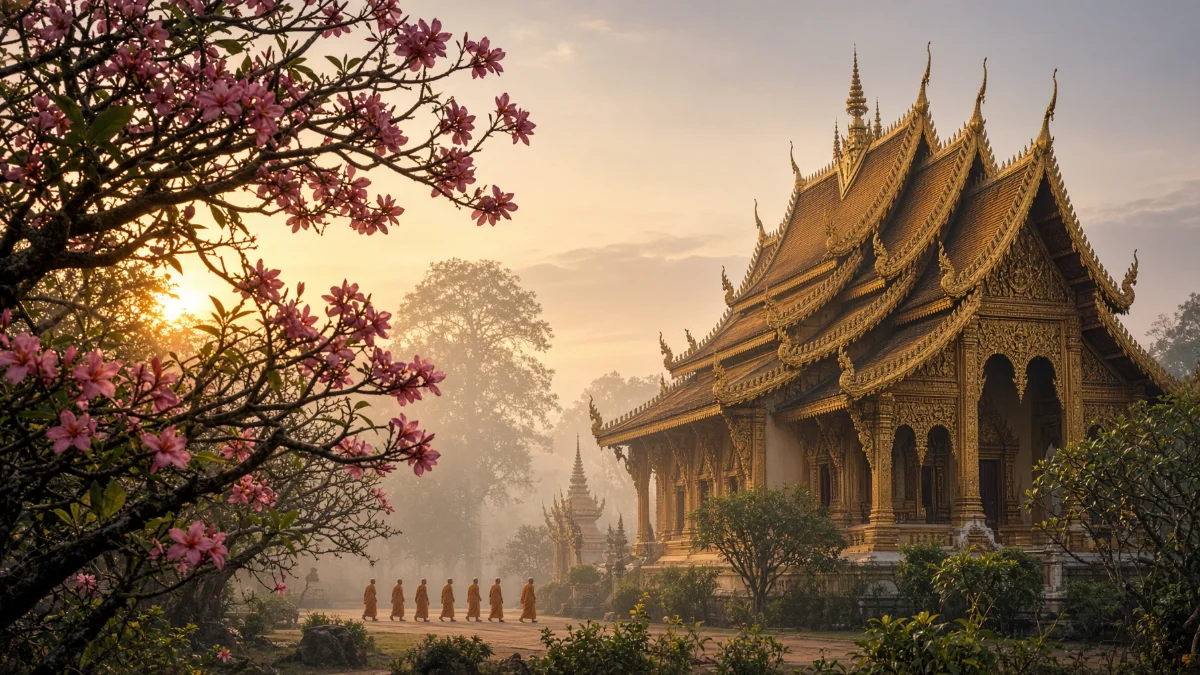
Cultural Etiquette in Vietnam, Cambodia and Laos: A Student Briefing Before You Go
Cultural Etiquette in Vietnam, Cambodia and Laos: A Student Briefing Before You Go
A warm smile and a respectful greeting can open more doors than any guidebook. Vietnam, Cambodia and Laos are famously welcoming to visitors, and local people deeply appreciate guests who make an effort to understand their customs. For student groups, learning basic etiquette is not just about avoiding mistakes. It is a hands-on lesson in empathy, observation and global citizenship.
This briefing covers the essentials students should know before they travel, from greetings and temple manners to dining customs and photography, so they can explore with confidence and leave a positive impression wherever they go.
1. Core Principles Across the Region
While each country has its own traditions, a few shared values guide social behavior throughout much of Southeast Asia.
- Respect for elders: Older people are greeted first, served first and spoken to politely.
- Keeping calm: Raising your voice or showing anger in public causes embarrassment for everyone. A patient, friendly approach almost always works better.
- Saving face: People avoid situations that cause public embarrassment. Disagree gently and privately.
- The head and feet: In Buddhist cultures, the head is considered the most sacred part of the body and the feet the lowest. Avoid touching anyone’s head, including children’s, and never point your feet at people or sacred objects.
- Modest dress: Covering shoulders and knees is expected at religious and royal sites and appreciated in rural villages.
2. Greetings and Useful Phrases
Learning a few words in the local language is one of the easiest ways for students to connect. Even a nervous “hello” is usually met with a big smile.
2.1. Vietnam
- Greeting: “Xin chào” (hello). A smile and a slight nod are common, and handshakes are increasingly normal in cities.
- Thank you: “Cảm ơn.”
- Good to know: Vietnamese uses different pronouns depending on age and relationship, so locals will appreciate it if students simply try.
2.2. Cambodia
- Greeting: The sampeah, pressing palms together at chest level with a slight bow. The higher the hands, the more respect shown.
- Hello: “Suostei” (informal) or “Chum reap suor” (polite).
- Thank you: “Arkun.”
2.3. Laos
- Greeting: The nop, a similar palms-together gesture, often with “Sabaidee” (hello).
- Thank you: “Khop jai.”
- Good to know: Lao culture values a relaxed, gentle manner. Rushing or pushing rarely gets results.
Pro tip: Turn greetings into a daily challenge. Each student aims to use a local greeting and “thank you” at least five times a day, then shares their favorite interaction during the evening debrief.
3. Temple and Sacred Site Etiquette
Temples, pagodas and shrines are active places of worship, not just tourist attractions. These guidelines apply across all three countries.
- Dress code: Shoulders and knees covered for everyone. At Angkor’s main temples, this rule is actively enforced. A light scarf or sarong is a handy backup.
- Shoes off: Remove shoes and hats before entering prayer halls and homes. Look for shoes left at the door as a clue.
- Quiet voices: Speak softly, switch phones to silent and avoid running or horseplay.
- Buddha images: Never climb on statues, touch them for photos or sit with feet pointing toward them.
- Monks: Monks are highly respected. Women should avoid touching monks or handing objects directly to them. Give space and follow your guide’s lead.
4. Dining Customs
Food is at the heart of hospitality in Southeast Asia, and shared meals are some of the most memorable moments of any trip.
- Shared dishes: Meals are usually served family-style. Take small portions from shared plates and try a little of everything.
- Chopsticks in Vietnam: Never stand chopsticks upright in a bowl of rice, as this resembles incense offerings for the dead.
- Sticky rice in Laos: Sticky rice is often eaten with the right hand, rolled into a small ball and used to scoop other dishes.
- Elders first: Wait for the eldest person or the host to begin eating.
- Toasts: When glasses are raised, join in with water or a soft drink. A friendly toast is about togetherness, not the drink.
- Dietary needs: Share allergies or dietary requirements with your guide in advance so hosts can prepare without embarrassment.
5. Photography and Social Media
- Always ask first: A simple gesture toward your camera with a smile is usually enough. Accept a “no” graciously.
- Children: Be extra careful when photographing children, and avoid posting identifiable images of children online without consent.
- Sacred and sensitive places: Follow signs about photography in temples, museums and memorial sites. Some places, such as genocide memorials in Cambodia, call for quiet reflection rather than photos.
- Dignity first: Avoid images that present poverty as a spectacle. Ask yourself how you would feel if a visitor shared that photo of your family.
6. Markets, Money and Everyday Interactions
- Friendly bargaining: Haggling is normal at markets but should always be good-humored. Once you agree a price, honor it.
- Giving and receiving: Use your right hand or both hands to pass money, gifts and business cards. It shows respect.
- Public affection: Keep displays of affection modest in public spaces.
- Sensitive history: Topics such as war, conflict and politics can be personal. Listen with curiosity and respect, and let local people lead the conversation.
- Gifts for hosts: Small gifts from home, such as postcards, snacks or crafts, are a lovely gesture for homestay families.
7. Preparing Students Before Departure
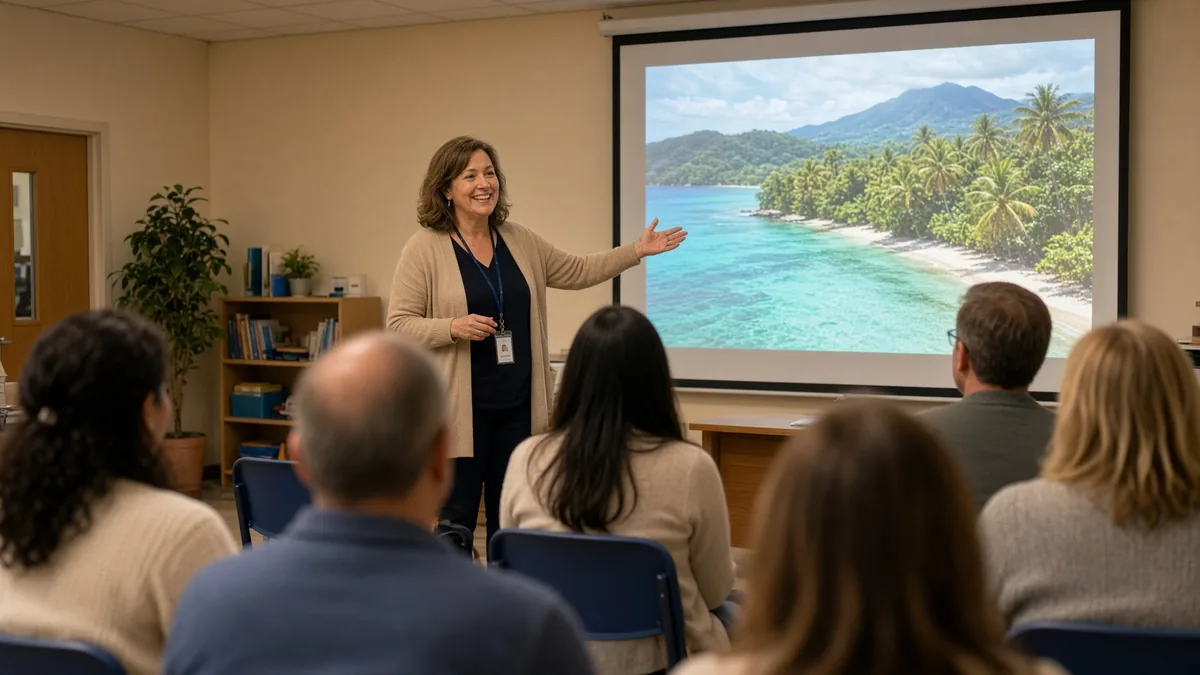
- Pre-trip workshop: Role-play common situations, such as greeting a host family, visiting a temple or bargaining at a market.
- Etiquette cards: Give students a pocket card with key phrases and dos and don’ts for each country.
- Packing checks: Make sure every student packs temple-appropriate clothing and a light scarf.
- Parent communication: Share expectations with families so everyone is on the same page. Our pre-departure guide for parents can help.
8. Conclusion: Respect Is the Best Passport
Cultural etiquette is not about memorizing rules. It is about curiosity, humility and kindness. When students approach new places with these values, they build genuine connections, avoid misunderstandings and return home as thoughtful global citizens.
Every Asia Education Travel program includes a cultural briefing led by local experts, along with ongoing support from our guides throughout the journey. Explore our programs in Vietnam, Cambodia and Laos, or contact us to start planning.
Take your learning beyond the classroom with a journey through Indochina! From Vietnam’s rich history to Cambodia’s majestic temples and Laos’ tranquil beauty, this is your chance to experience Southeast Asia like never before and create memories that will last a lifetime.