Tonle Sap Lake: Teaching Ecology and Floating Village Life in Cambodia
Tonle Sap Lake: Teaching Ecology and Floating Village Life in Cambodia
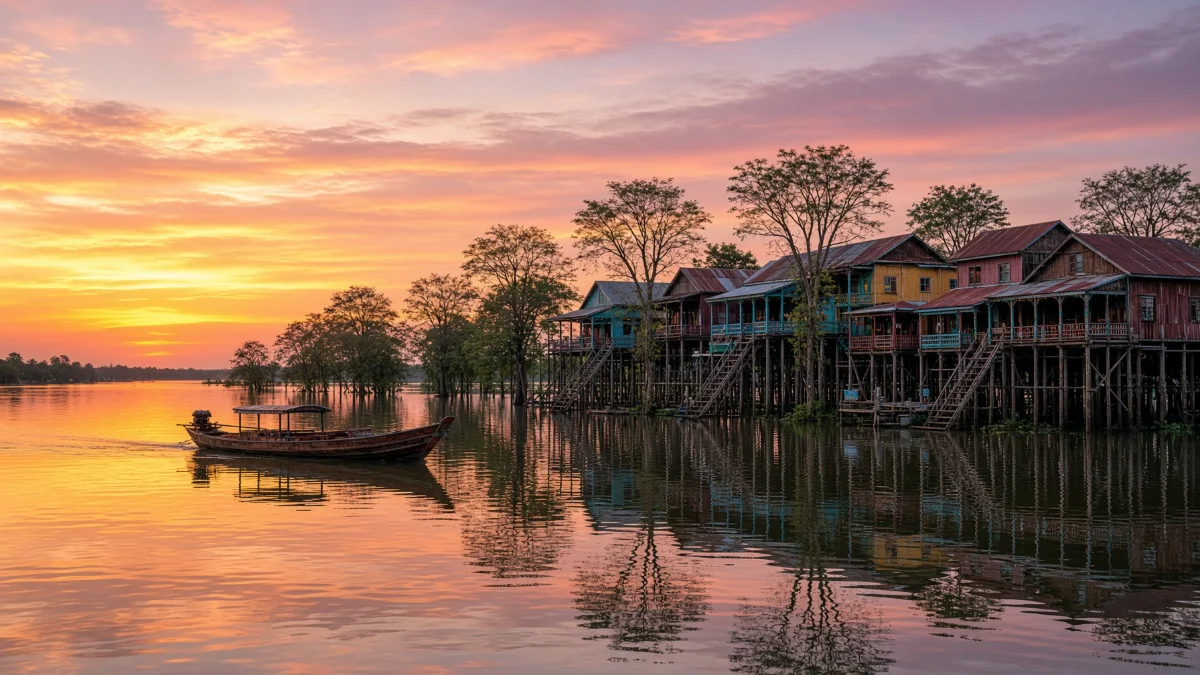
Most visitors to Siem Reap come for the temples of Angkor, but just a short drive away lies one of the most fascinating natural systems in Asia. Tonle Sap Lake breathes with the seasons, swelling to several times its size during the monsoon and shrinking back in the dry months. Around its shores, communities live in houses on towering stilts or homes that float on the water.
For students, Tonle Sap is a remarkable place to study ecology, hydrology and human adaptation side by side. In this guide, we share what makes the lake so special, what students learn and how to plan an ethical, rewarding visit.
1. The Lake That Changes Direction
Tonle Sap is the largest freshwater lake in Southeast Asia and was named a UNESCO Biosphere Reserve in 1997. What makes it extraordinary is the behavior of the Tonle Sap River, which connects the lake to the Mekong.
- Wet season: As monsoon rains and snowmelt swell the Mekong, the Tonle Sap River reverses its flow and pushes water back into the lake. The lake expands dramatically, flooding surrounding forests and fields.
- Dry season: As the Mekong falls, the river flows the other way again and the lake drains back toward its smaller dry season size.
- Celebration: This turning of the waters is celebrated during Bon Om Touk, the Water Festival, usually held in October or November.
Few natural systems demonstrate the connection between rivers, rainfall and people so clearly, which makes Tonle Sap a brilliant real-world case study.
2. What Students Learn at Tonle Sap
2.1. Ecology and Biodiversity
- Flooded forests: Trees that spend months partly underwater create rich nurseries for fish, a perfect example of specialized habitats.
- Fisheries: The lake supports one of the world’s most productive inland fisheries, providing a large share of the protein Cambodians eat.
- Birdlife: The Prek Toal area is known as an important breeding ground for large waterbirds such as storks, pelicans and cormorants.
2.2. Geography and Hydrology
- Flood pulse: Students can explore how seasonal flooding spreads nutrients, supports fish migration and fertilizes farmland.
- Upstream pressures: Dams, climate change and sand mining along the Mekong all affect the lake’s flood cycle, which links local life to regional decisions.
- Data in action: Comparing satellite images of the lake in the wet and dry seasons is a striking classroom activity before or after the trip.
2.3. Human Adaptation and Livelihoods
- Stilt houses: In villages such as Kampong Phluk, homes stand on stilts up to around ten meters tall so they stay dry when water levels rise.
- Floating communities: In other areas, homes, schools and shops float on the water and move with the lake.
- Changing livelihoods: Declining fish catches and rising costs push families to diversify into tourism, crafts or work in nearby cities, opening conversations about economic resilience.
Pro tip: Ask students to design a house for a family living on Tonle Sap. They need to consider seasonal water levels, materials, storms and cost. Then compare their designs with what they see on the water.
3. Experiences for Student Groups
- Boat trip through a stilt village: A guided boat ride through Kampong Phluk or a similar community shows daily life on and around the water.
- Flooded forest by small canoe: In the high water season, local paddlers guide visitors through the trees in small wooden boats, a peaceful and memorable experience.
- Community conversations: Meeting fishers, boat builders or village leaders gives students first-hand insight into change on the lake.
- Bird sanctuary visit: Specialist trips to Prek Toal suit older students with a strong interest in biology, ideally in the dry season when birds gather in large numbers.
- Sunset on the lake: Watching the sun set over the vast water is a calm moment for reflection after a busy day.
4. Choosing an Ethical Visit
Tonle Sap’s communities face real challenges, and how visitors engage matters. Some tours in the region have been criticized for overcharging or for treating poverty as a spectacle. We follow these principles when planning lake visits.
- Community-based operators: Choose tours where boat fees and services benefit local families directly.
- No orphanage or school “drop-ins”: Unplanned visits to schools or orphanages can disrupt learning and harm children. Any education project should be structured, long-term and community-led.
- Respectful photography: Ask before photographing people and avoid taking pictures into private homes.
- Fair purchasing: Buy snacks, crafts or drinks from local vendors at fair prices rather than bargaining aggressively.
Our guide to ethical service learning trips explains how to evaluate community programs before you commit.
5. Best Time to Visit
- August to December: High water. The lake is at its largest, the flooded forest is accessible by canoe and stilt houses rise just above the surface.
- January to March: Water levels drop, the weather is dry and pleasant, and bird activity is often impressive in sanctuary areas.
- April to June: Low water and hot weather. Stilts are fully exposed, which is dramatic, but some boat routes become shallow and shorter.
6. Combining Tonle Sap With Angkor
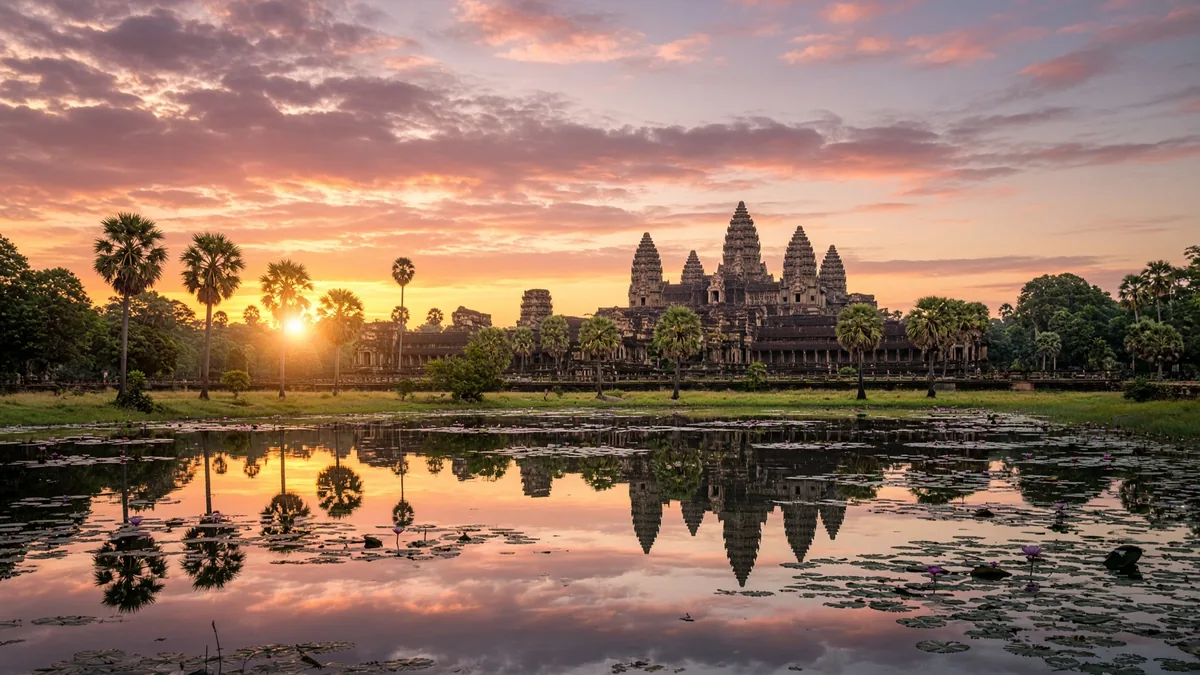
Tonle Sap pairs perfectly with the temples of Angkor. Many historians believe the lake’s fish and fertile floodplains helped feed the great Khmer cities, so visiting both connects ancient history with modern life on the water. Learn more in our Cambodia school trip guide.
- Half-day trip: Most stilt villages are under an hour from Siem Reap, making a half-day visit easy to add.
- Morning or late afternoon: Avoid the midday heat and enjoy softer light on the water.
- Safety: Life jackets on all boats, seated passengers and clear behavior rules for students.
7. Conclusion: A Lesson in Living With Water
Tonle Sap shows students how a single natural cycle can shape an entire nation’s food, culture and economy. It invites big questions about climate, development and fairness, and it leaves a lasting image of resilience on the water.
Asia Education Travel includes Tonle Sap in our Cambodia programs, alongside Angkor and community-based learning. Contact our team to plan a respectful, well-supported lake experience for your group.
Take your learning beyond the classroom with a journey through Indochina! From Vietnam’s rich history to Cambodia’s majestic temples and Laos’ tranquil beauty, this is your chance to experience Southeast Asia like never before and create memories that will last a lifetime.