Laos Educational Travel: Why Southeast Asia’s Quietest Country Teaches the Most
Laos Educational Travel: Why Southeast Asia’s Quietest Country Teaches the Most
If your students have already explored the busier highlights of Asia, Laos educational travel offers something refreshingly different. Laos is calm, green and deeply welcoming, and it rewards students who are willing to slow down, observe carefully and ask thoughtful questions.
It is also one of the least visited countries in the region. That means students engage with places and people on their own terms rather than moving through a tourism machine. This guide explains why Laos works so well for school and university groups, and what a learning journey there can look like.
1. Why Laos Works for Student Groups
Laos suits groups who value depth over a packed schedule. The pace is gentler than in neighbouring countries, which gives students space to absorb what they see and to reflect on it together.
Teachers who choose Laos usually do so for a combination of reasons:
- Space to reflect: Fewer crowds mean more meaningful encounters and quieter moments for journaling and discussion.
- Living culture: Buddhist traditions are part of everyday life, not a performance for visitors.
- Remarkable diversity: Around 50 ethnic groups, many with their own languages and customs, especially in the northern highlands.
- Big questions on a human scale: Hydropower, conservation and rural development are visible up close.
2. Luang Prabang: Heritage and Daily Ritual
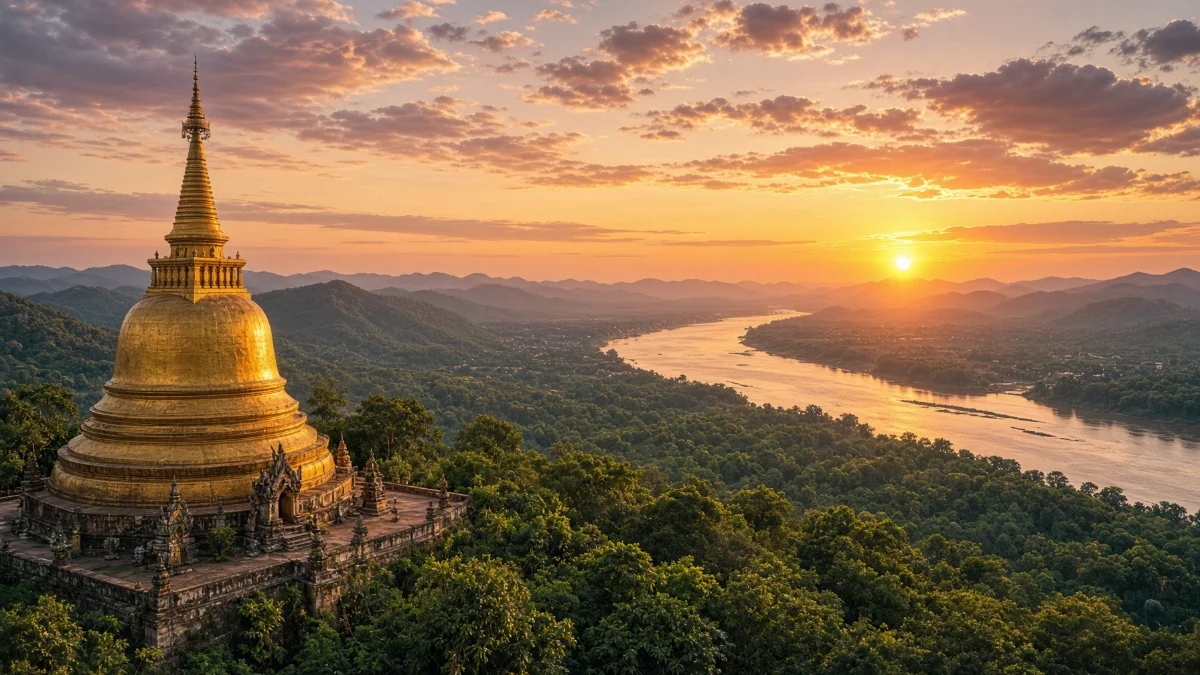
The UNESCO-listed town of Luang Prabang is often the heart of a Laos program. Its temples, French colonial houses and riverside setting make it easy to explore on foot, and its compact size keeps transfer times short.
2.1. The Morning Alms Giving
Each morning, monks walk through the town to collect offerings from residents. Watching this quiet ritual is one of the most memorable moments of any trip to Laos. We brief groups beforehand on how to observe respectfully, from keeping a distance to avoiding flash photography, so that students understand they are guests at a sacred daily practice.
2.2. Temples, Nature and Daily Life
Beyond the alms giving, Luang Prabang offers a rich mix of cultural and outdoor learning that suits a wide range of subjects.
A typical program here can include:
- Temple visits: A chance to talk with novice monks about education, discipline and daily life.
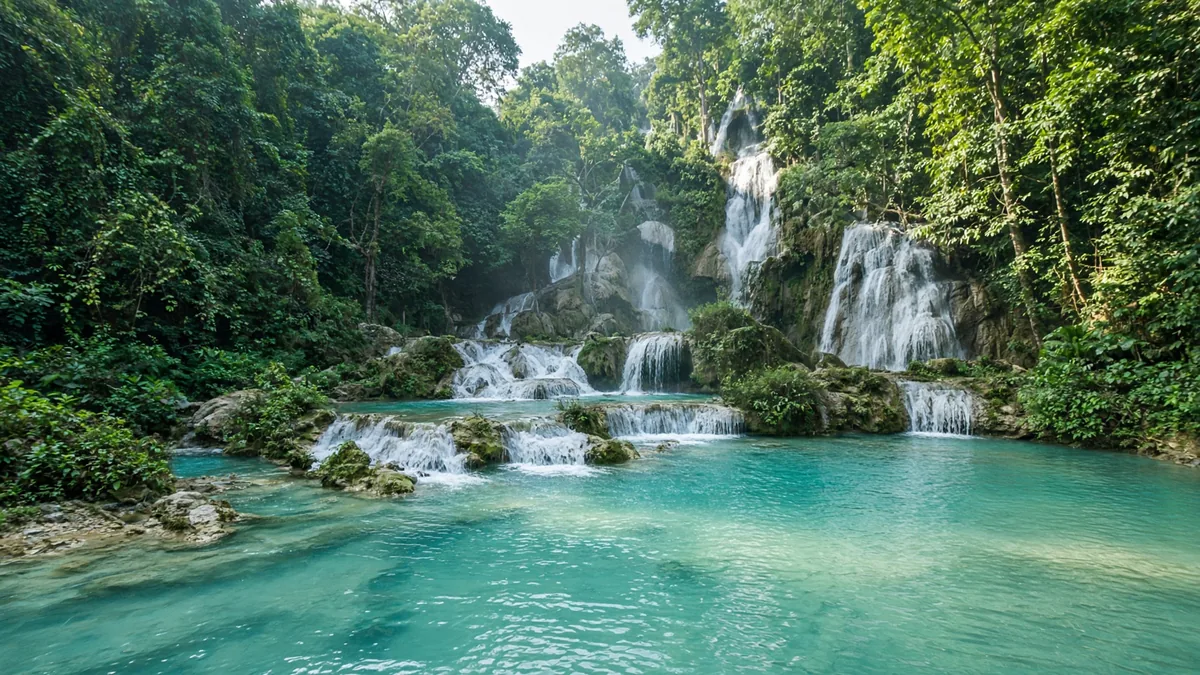
- Waterfalls and nature: Turquoise pools and forest trails nearby make a refreshing afternoon of outdoor learning.
- Markets and crafts: Local markets and weaving traditions show how heritage supports livelihoods.
3. Learning About the Legacy of War
Laos is widely described as the most heavily bombed country per capita in history. Unexploded ordnance still affects farming, construction and travel in some provinces, decades after the conflict ended.
A visit to the COPE Visitor Centre in Vientiane helps students understand this long aftermath and the rehabilitation work that supports survivors. It is a moving, age-appropriate way to connect history with present-day human stories, and it often sparks some of the most thoughtful discussions of the trip.
4. Sustainable Development You Can See
Laos is an excellent place to study how development, environment and tradition interact. Many of the challenges students read about in textbooks are visible here within a short drive.
Programs often explore these themes:
- The Mekong River: A lifeline for food, transport and trade, and a living case study in environmental change.
- Rural livelihoods: Rice farming, weaving and village crafts show how families balance tradition and change.
- Community projects: Service learning can focus on education, environment or village infrastructure, always guided by local partners.
5. Subjects That Come Alive in Laos
Because the country is so distinctive, a Laos program can support a wide range of courses. Many schools design their itinerary around one main subject, then weave in others naturally.
These are the subject links we see most often:
- Religious Studies: Theravada Buddhism in everyday practice.
- History: Kingdoms, colonial rule, conflict and recovery.
- Geography and Environmental Science: Rivers, forests, dams and land use.
- Anthropology: Ethnic diversity and cultural preservation.
- Global Citizenship: Development, aid and community-led change.
6. Is Laos Right for Your Group?
Laos is a wonderful choice, but it is not the right fit for every group. Thinking through the points below early will help you decide whether to run a Laos-only program or combine it with Vietnam or Cambodia.
Consider the following:
- Great fit: Senior secondary and university groups, service learning, religious studies and development studies.
- Plan ahead for: Longer travel times between regions and simpler facilities in rural areas.
- Entry rules: Visa requirements vary by nationality, so always check the latest guidance before booking.
7. Frequently Asked Questions
7.1. Is Laos safe for school groups?
Laos is known for its calm, friendly atmosphere. As with any destination, safety comes from good planning: vetted accommodation, experienced local guides and clear supervision throughout the program.
7.2. How many days do you need in Laos?
A focused program in Luang Prabang works well in five to seven days. Add Vientiane, or combine Laos with Vietnam or Cambodia, for a longer and broader journey.
7.3. What subjects suit a Laos educational trip?
Religious studies, history, anthropology, geography and development studies all come alive in Laos, along with service learning projects led by local partners.
7.4. Can Laos be combined with other countries?
Yes. Laos pairs well with northern Vietnam or Cambodia, giving students contrasting perspectives on shared regional history.
8. Build a Tailor-Made Laos Program
Our Laos itineraries are designed from scratch around your learning goals, timeline and budget. Many schools also combine Laos with one of our ready-made programs in Vietnam or Cambodia to create a multi-country journey.
Read our Laos destination guide for practical details, or share your plans with us and we will map out a journey your students will talk about for years.
Take your learning beyond the classroom with a journey through Indochina! From Vietnam’s rich history to Cambodia’s majestic temples and Laos’ tranquil beauty, this is your chance to experience Southeast Asia like never before and create memories that will last a lifetime.