Bolaven Plateau Study Trip: Coffee, Waterfalls and Rural Economics in Southern Laos
Bolaven Plateau Study Trip: Coffee, Waterfalls and Rural Economics in Southern Laos
High above the Mekong in southern Laos, the Bolaven Plateau is a world of cool breezes, thundering waterfalls and rolling coffee farms. The air smells of fresh coffee cherries in harvest season, and the landscape is dotted with small villages where families have grown coffee for generations.
It may not be as famous as Luang Prabang or Angkor, but for student groups interested in economics, agriculture, geography and fair trade, the Bolaven Plateau is a hidden gem. In this guide, we share what students learn here, the best experiences and how to plan a smooth trip.
1. Introducing the Bolaven Plateau
The plateau rises to roughly 1,000 to 1,300 meters above sea level and stretches across several provinces of southern Laos. Most groups arrive through Pakse, the regional hub on the Mekong, before driving about an hour up to the coffee town of Paksong.
- Volcanic soils: Ancient volcanic activity left rich, fertile soils that are ideal for coffee, tea, fruit and vegetables.
- Cooler climate: Thanks to its altitude, the plateau is noticeably cooler than the lowlands, which makes it comfortable for active learning.
- Cultural diversity: The plateau is named after the Laven people, one of several ethnic groups who live in the area alongside Lao communities.
2. What Students Learn
2.1. From Bean to Cup: Agriculture and Trade
- Coffee history: Coffee was introduced to the plateau during the French colonial period in the early 20th century and has since become one of Laos’ most important export crops.
- The full supply chain: Students can follow coffee from planting and picking to drying, roasting and export, then compare the price a farmer receives with the price of a cup in their home city.
- Fair trade and cooperatives: Farmer cooperatives show how communities work together to improve quality, negotiate better prices and reach international buyers.
2.2. Geography and Environment
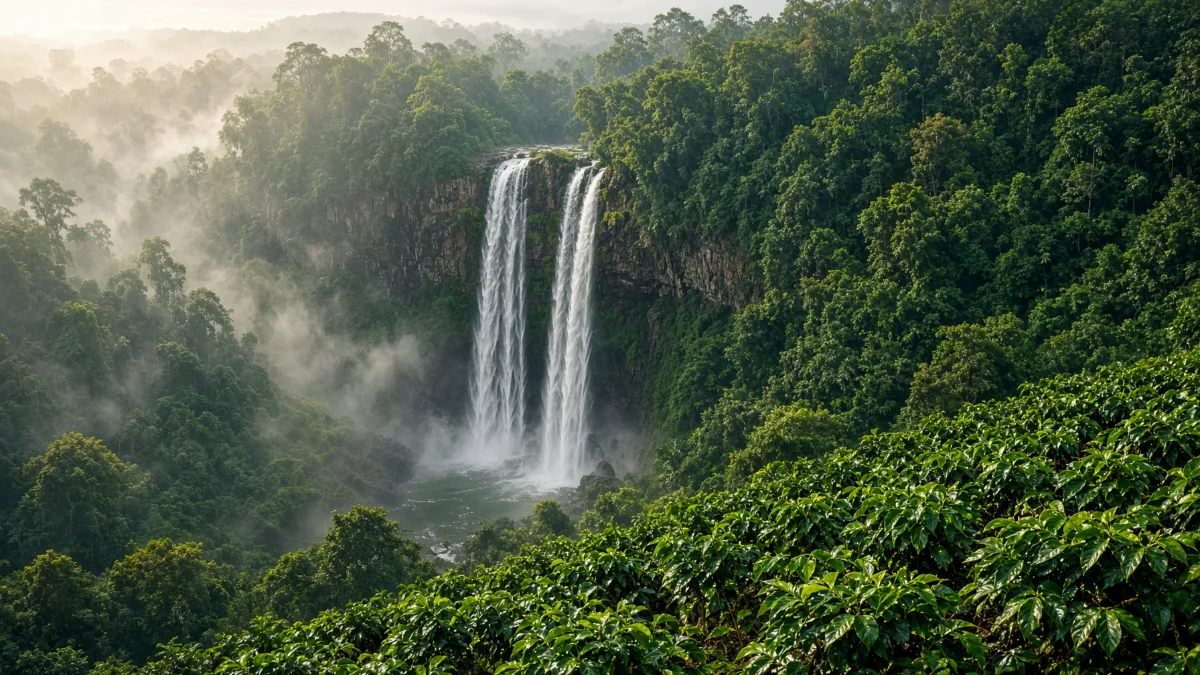
- Waterfalls and rivers: Rivers plunge off the edge of the plateau in dramatic waterfalls, a perfect illustration of erosion, elevation and hydrology.
- Land use change: Forests, smallholder farms and larger plantations sit side by side, which opens discussions about deforestation and sustainable land management.
- Climate impacts: Coffee is sensitive to temperature and rainfall, so farmers’ observations about changing weather make climate science very concrete.
2.3. Rural Development
- Livelihoods: Students learn how families balance coffee with other crops, livestock and off-farm work to manage risk.
- Infrastructure: Roads, electricity and internet access are changing village life, sometimes quickly.
- Education and opportunity: Conversations with young people about their hopes and plans are often eye-opening for visiting students.
Pro tip: Run a simple “coffee economics” challenge. Give teams a set amount of play money and real local costs, and ask them to plan a farming year that survives a bad harvest. It turns abstract economics into an engaging, memorable game.
3. Highlights for Student Groups
- Coffee farm visit: Walk through plantations with a farmer, pick ripe cherries in season and learn how quality is judged.
- Roasting and cupping session: Students watch beans being roasted and learn how professionals taste and score coffee (with plenty of non-caffeinated options for younger participants).
- Tad Fane: This impressive twin waterfall drops into a deep forested gorge, one of the most dramatic viewpoints in southern Laos.
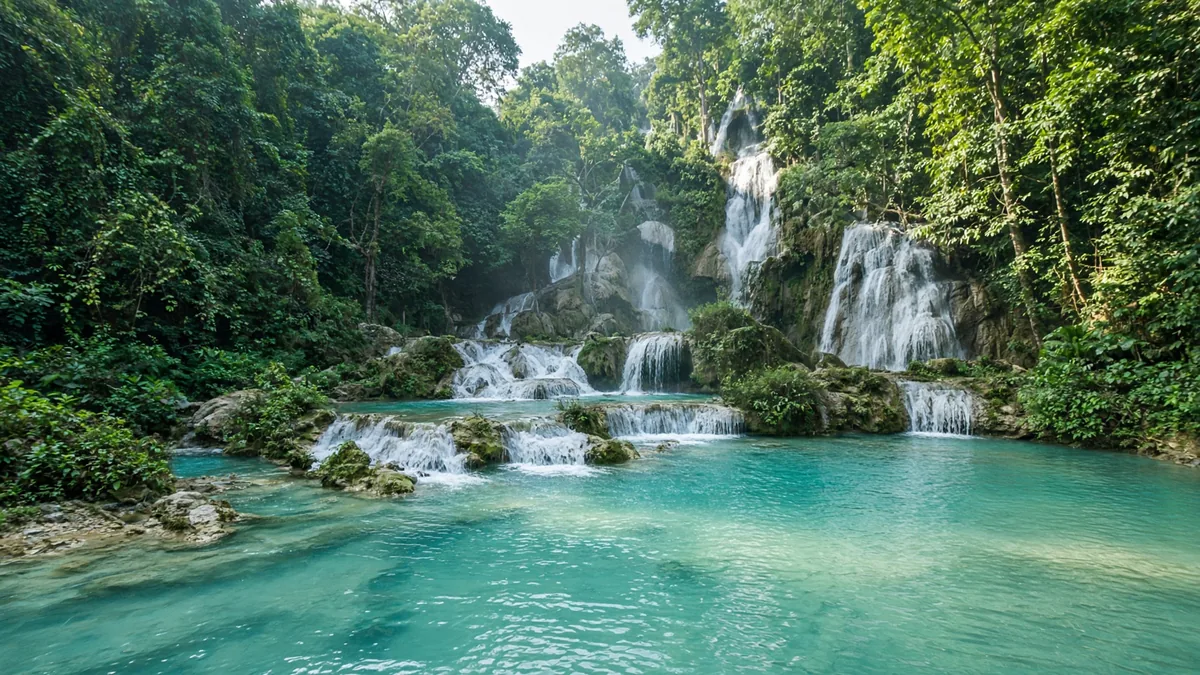
- Tad Yuang and Tad Champee: Accessible waterfalls with paths, viewpoints and, in suitable conditions, supervised swimming areas.
- Village walks: Guided visits to ethnic minority villages introduce traditional houses, crafts and community life.
- Tea plantations: Tea is also grown on the plateau, offering a comparison between two of the world’s favorite drinks.
4. Extending Your Southern Laos Journey
The Bolaven Plateau combines beautifully with other learning-rich destinations in the south:
- Wat Phou: A UNESCO-listed ancient Khmer temple complex near Champasak, linking Laos to the wider story of Angkor.
- Si Phan Don (4,000 Islands): A maze of islands in the Mekong, ideal for cycling, river ecology and slow, reflective days.
- Khone Phapheng Falls: Often described as the largest waterfall in Southeast Asia by volume, a powerful finale to any geography-focused trip.
To compare southern Laos with other options in the region, take a look at our guide to Laos educational travel.
5. When to Visit
- November to February: Cool, dry and comfortable, coinciding with the main coffee harvest. The best time for farm-focused programs.
- March to April: Warmer and drier, with flowering coffee plants in some areas and quieter roads.
- May to October: The rainy season brings lush green landscapes and powerful waterfalls, though some roads and trails can be muddy.
6. Practical Tips
- Pack layers: Mornings and evenings on the plateau can be surprisingly cool.
- Simple accommodation: Guesthouses and eco-lodges are comfortable but modest. Set expectations with students and parents in advance.
- Waterfall safety: Stay behind barriers, follow guide instructions and only swim where it is clearly safe and supervised.
- Respect private land: Coffee farms are livelihoods. Only enter plantations with permission and a guide.
7. Conclusion: A Fresh Brew of Learning
The Bolaven Plateau connects something students enjoy every day, or see their parents enjoy, to big questions about trade, fairness and the environment. Combined with spectacular waterfalls and warm village hospitality, it makes for a refreshing, eye-opening chapter of any Southeast Asia journey.
Asia Education Travel can build the Bolaven Plateau into Laos programs and business-focused journeys such as our MBA study tours. Get in touch to explore what southern Laos can offer your students.
Take your learning beyond the classroom with a journey through Indochina! From Vietnam’s rich history to Cambodia’s majestic temples and Laos’ tranquil beauty, this is your chance to experience Southeast Asia like never before and create memories that will last a lifetime.