Luang Prabang for Students: Monks, Mountains and Mindful Learning in Laos
Luang Prabang for Students: Monks, Mountains and Mindful Learning in Laos
At dawn in Luang Prabang, lines of monks in saffron robes walk silently through the streets as residents kneel to offer sticky rice. By day, golden temples glow beside French colonial villas, and by evening the sun sinks over the Mekong in shades of orange and pink. It is calm, beautiful and full of meaning, which is exactly why it makes such a powerful learning destination.
Luang Prabang invites students to slow down, observe closely and reflect deeply. In this guide, we share what students learn here, the experiences that work best for school groups and how to visit respectfully.
1. Why Luang Prabang Is Special
Set on a peninsula where the Nam Khan River meets the Mekong in northern Laos, Luang Prabang was once the royal capital of the Lan Xang kingdom. Its unique blend of traditional Lao architecture, Buddhist temples and colonial-era buildings earned the town UNESCO World Heritage status in 1995.
- Easy access: International flights connect Luang Prabang with regional hubs, and the Laos-China Railway links it to Vientiane in around two hours.
- Walkable scale: The heritage town is compact and relatively calm, ideal for guided walking and independent learning tasks in small groups.
- Living Buddhism: With dozens of active temples and a large monastic community, Buddhism is part of everyday life rather than a museum exhibit.
2. What Students Learn in Luang Prabang
2.1. Religion, Culture and Values
- Theravada Buddhism in practice: Students can see how monastic life, merit-making and festivals shape the rhythm of the town.
- Conversations with novices: Many young monks study English and enjoy respectful conversation, offering insight into education, faith and growing up in Laos.
- Mindfulness: Guided meditation sessions or quiet temple visits give students tools for reflection and wellbeing.
2.2. History and Heritage
- Royal past: The Royal Palace Museum tells the story of the Lao monarchy and the country’s journey through colonial rule and revolution.
- Temple architecture: Wat Xieng Thong, with its sweeping roofs and glittering mosaics, is a masterpiece of Lao design and a perfect sketching subject.
- Heritage protection: UNESCO status brings visitors and rules. Students can explore how the town balances conservation with modern life.
2.3. Development and Global Issues
- Unexploded ordnance (UXO): Laos is among the most heavily bombed countries per capita in history. Visitor centers on UXO clearance help students understand the long-term human cost of conflict.
- Literacy and education: Local book and reading projects show how access to books changes young lives.
- Wildlife protection: The bear rescue center at Kuang Si Falls introduces illegal wildlife trade and conservation work.
Pro tip: Before arriving, ask students to write down three assumptions they have about Laos. Revisit the list on the last evening and discuss which ones changed. It is a simple but powerful reflection exercise.
3. Signature Experiences for Student Groups
- Morning alms giving (Tak Bat): Observing this daily ritual respectfully, from a distance and in silence, is one of the most moving moments of any trip. We brief students carefully beforehand.
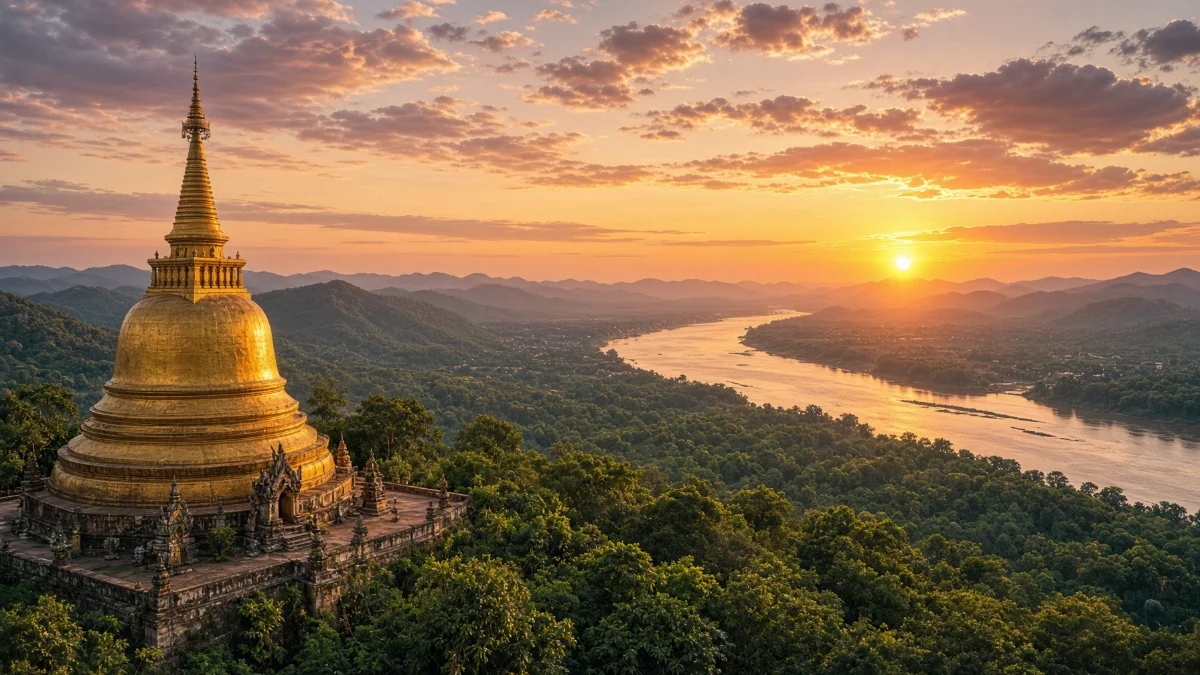
- Mount Phousi sunset: A climb up the steps of this small hill in the town center rewards students with panoramic views over temples, rivers and mountains.
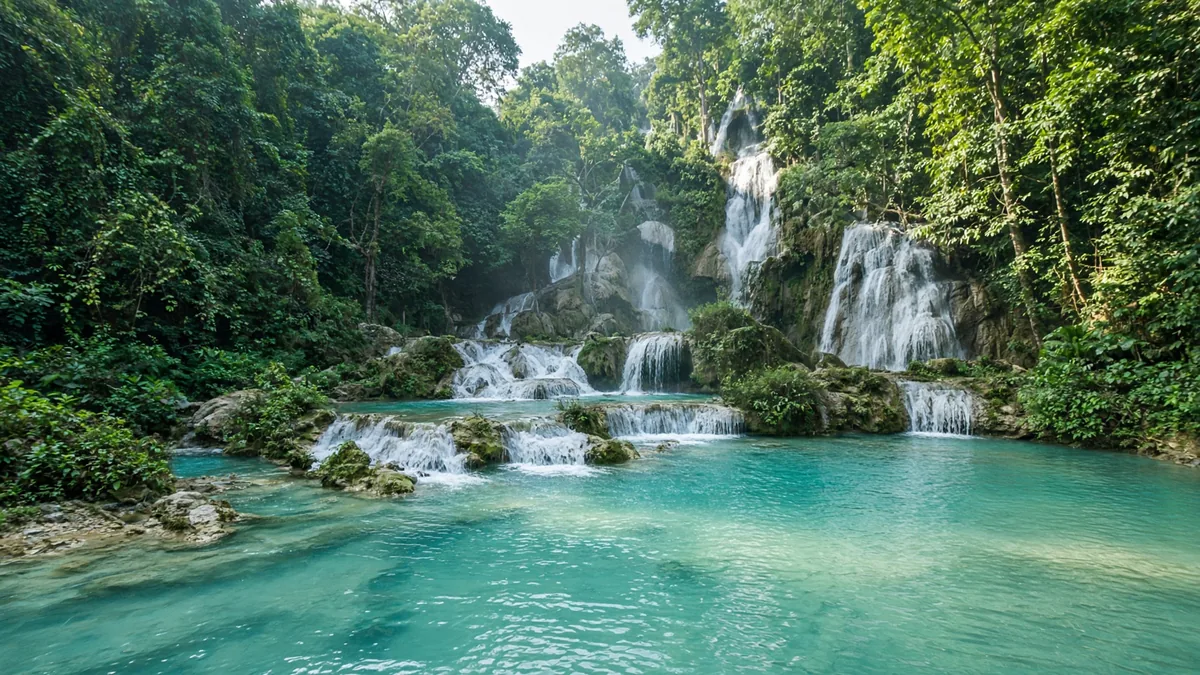
- Kuang Si Falls: Turquoise pools cascading through the forest make a refreshing nature day, combined with a visit to the bear rescue center.
- Mekong boat trip to Pak Ou Caves: A scenic river journey leads to caves filled with thousands of Buddha statues, along with stops at riverside villages.
- Weaving and natural dye workshops: Hands-on textile sessions teach traditional Lao patterns and the skills behind them.
- Lao cooking class: Students make dishes like laap and sticky rice, often after a guided visit to the morning market.
- Night market exploration: A safe, colorful place to practice bargaining kindly and support local artisans.
4. Visiting Respectfully: Tak Bat and Temple Etiquette
The alms giving ceremony is a sacred religious practice, not a tourist show. Respect protects both the monks and the meaning of the tradition.
- Keep your distance: Stand quietly on the opposite side of the street and never block the monks’ path.
- No flash, no selfies: If photos are allowed by your group leader, take them discreetly from afar without flash.
- Only participate with guidance: If students wish to offer food, do so only with proper guidance and food prepared by locals, dressed modestly and kneeling.
- Temple dress code: Cover shoulders and knees, remove shoes before entering halls and never touch monks. Women should not hand items directly to a monk.
For a wider briefing on behavior across the region, see our guide on Laos educational travel.
5. When to Visit
- November to February: The cool, dry season brings comfortable temperatures and clear skies. Mornings can be chilly, so pack a light jacket.
- March to April: Hot, and agricultural burning can cause hazy air in northern Laos. Mid-April brings Pi Mai (Lao New Year), a joyful but very busy water festival.
- May to October: The green season, with rain showers, lush landscapes and fuller waterfalls. Fewer crowds and a peaceful atmosphere.
6. Practical Tips
- Pace the itinerary: Luang Prabang rewards slow travel. Three to four nights allows time for reflection, not just sightseeing.
- Early starts: Alms giving begins around sunrise, so plan an early night beforehand.
- Cash and connectivity: Carry some local currency (kip) for small purchases, and expect slower internet than in larger cities.
- Water safety: At Kuang Si, swim only in permitted pools and under supervision.
7. Conclusion: A Town That Teaches You to Pause
Luang Prabang offers something many destinations cannot: space to think. Students leave with a richer understanding of Buddhism, history and development, and many say it is the place where they truly learned to slow down and listen.
Asia Education Travel builds Luang Prabang into our Laos programs and multi-country journeys. Not sure which destination suits your group? Read Vietnam vs Cambodia vs Laos or talk to our team for personalized advice.
Take your learning beyond the classroom with a journey through Indochina! From Vietnam’s rich history to Cambodia’s majestic temples and Laos’ tranquil beauty, this is your chance to experience Southeast Asia like never before and create memories that will last a lifetime.